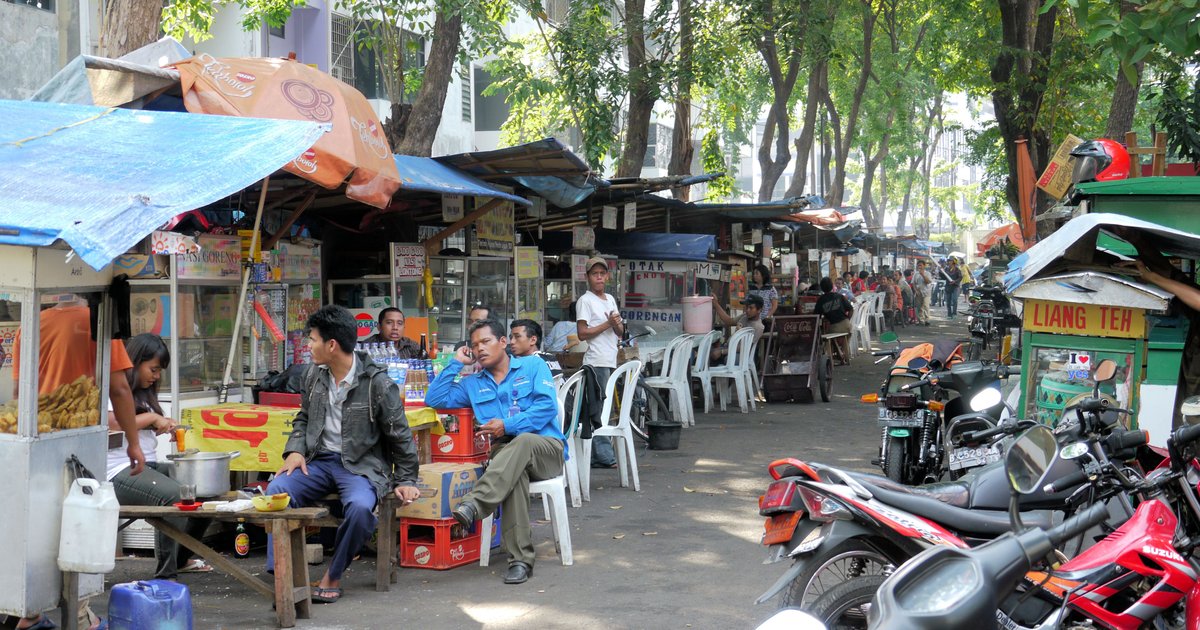
Santa Market in South Jakarta has emerged as a primary destination for coffee enthusiasts, focusing on providing a unique experience. The market aims to attract customers by offering distinctive coffee products, setting it apart from other markets. Despite rumors about a decrease in visitors, coffee sales at the market continue to witness significant interest.
According to Suradi, one of the coffee stall owners, the market thrives despite challenges. He noted that the presence of active coffee stalls boosts purchasing activity in other stalls, contributing to the overall vibrancy of the market.
Diverse Offerings at Santa Market
Santa Market is characterized by its variety of coffee stalls, each offering a unique type of coffee, allowing customers to experience different flavors. Additionally, the market also features a range of shops selling clothing and food, encouraging customers to explore various stalls.
Coffee at Santa Market symbolizes excellence, with beans sourced from different regions such as West Java, Temanggung, and Ajah, priced between 130,000 and 800,000 Indonesian Rupiah per kilogram. Stall owners ensure the quality of the fresh coffee they provide to customers.
Background & Context
Established over an area of 10,953 square meters, Santa Market was redeveloped in May 2007 into a three-story building. The lower level houses a variety of coffee stalls, while the upper level includes diverse shops offering food and clothing.
The popularity of coffee among the youth is on the rise, with many preferring flavored coffee, reflecting changes in coffee consumption culture in Indonesia. These trends have helped solidify Santa Market's status as a favorite destination for coffee lovers.
Impact & Consequences
Santa Market serves as a model for leveraging local products to attract customers. The focus on coffee as a primary product reflects the market's ability to adapt to consumer needs.
Moreover, collaboration between stall owners and local farmers enhances economic sustainability, supporting the local community and improving the quality of the products offered.
Regional Significance
The Arab market can benefit from Santa Market's experience by promoting local products. The trend towards offering distinctive products may attract customers and boost the local economy.
In conclusion, Santa Market in Jakarta represents a successful model of how to utilize local products to draw in customers, opening new avenues for markets in the Arab region.