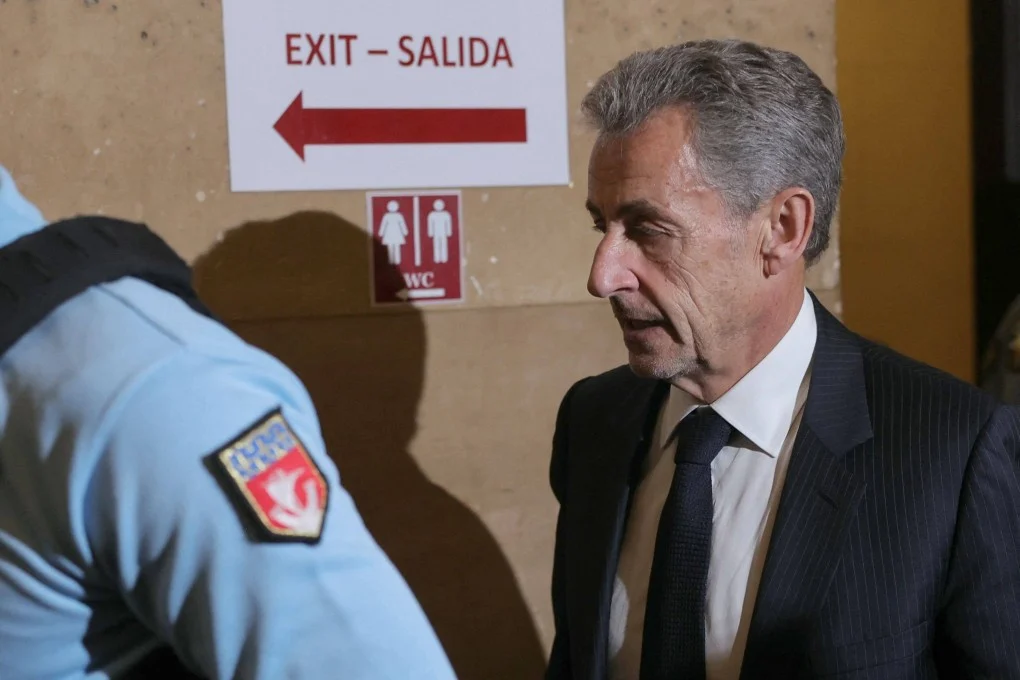
In a dramatic turn of events, former French President Nicolas Sarkozy announced his innocence during an appeal session at a Paris court, where he emphasized that he did not receive any funds from Libya to support his 2007 election campaign. During the session, attended by three judges, Sarkozy stated, "I condemn myself with the facts, and I condemn myself with honesty," stressing that he owes the truth to the French people.
The 71-year-old Sarkozy was convicted last September for receiving illegal funding from Libya, which led to his imprisonment for 20 days before being released on bail. He reiterated that he did not benefit from any Libyan funds, labeling the conviction as unjust.
Details of the Case
The case dates back to 2011 when allegations surfaced that Muammar Gaddafi's regime provided financial support for Sarkozy's election campaign. This issue sparked widespread controversy in France, being regarded as a political scandal. Sarkozy, who served as President of France from 2007 to 2012, has repeatedly denied these accusations, asserting that he did not receive any financial support from any foreign entity.
During the session, Sarkozy's lawyers presented new evidence supporting his position, indicating that investigations had not conclusively proven any connection between Sarkozy and Libyan funding. They also pointed out that the testimonies presented against their client were unreliable.
Background & Context
The Sarkozy case is part of a series of scandals that have plagued French politicians over the years. In recent years, several prominent political figures have been investigated for corruption and bribery allegations. This case reflects the challenges facing the political system in France, where demands for transparency and accountability are increasing.
On another note, the relations between France and Libya date back to Gaddafi's rule, during which there were military and economic collaborations between the two countries. Following the fall of Gaddafi's regime in 2011, these relations began to deteriorate, and this case became a focal point of political controversy in France.
Impact & Consequences
If Sarkozy succeeds in his appeal, it could significantly impact the political landscape in France. His success in proving his innocence might restore some of his popularity, while failure could exacerbate the political crises the country is facing. Additionally, this case may open the door for further investigations into campaign financing in France.
Moreover, this case could negatively affect French-Libyan relations, especially given the volatile political situation in Libya. Ongoing investigations could adversely impact cooperation between the two countries, affecting the economic and security interests of both parties.
Regional Significance
The Sarkozy case exemplifies how political events in Western countries can influence the Arab region. The relations between France and Arab countries, particularly Libya, may be directly affected by this case. Furthermore, transparency and accountability in Western political systems may inspire some Arab countries to adopt similar policies.
In conclusion, the Sarkozy case remains a focal point of interest for many, not only in France but also in the Arab world. The potential ramifications of this case could influence international and domestic relations in numerous countries.