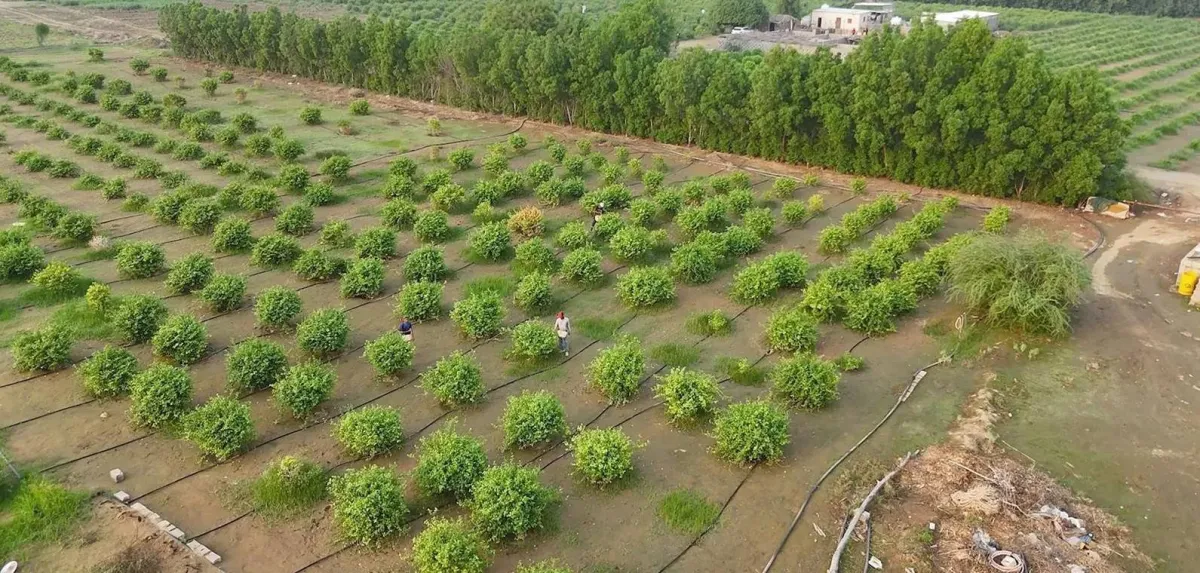
The Saudi Agricultural Development Fund has injected $1.7 billion to bolster food security in the Kingdom by increasing self-sufficiency rates and enhancing strategic reserves. This initiative is part of a comprehensive strategy aimed at balancing local production financing and supply chains, as well as external programs for importing targeted products and cross-border agricultural investments.
In statements, the Fund's spokesperson, Habib Al-Shammari, confirmed that these measures align with the National Agriculture Strategy and the Food Security Strategy. He explained that the Fund continues to support the use of modern technologies in agricultural projects, contributing to the preservation of natural resources and improving agricultural productivity.
Event Details
Al-Shammari noted that the modern technologies employed in agricultural projects help meet needs in the sectors of environment, energy, and water. The Agricultural Development Fund disbursed over 1.2 billion riyals ($300 million) in 2024 for projects relying on these technologies, which helped conserve water resources by providing approximately 4 million cubic meters of water, in addition to reducing energy consumption by about 330,000 megawatt-hours.
He also added that the use of these technologies contributes to reducing greenhouse gas emissions, as part of the “Saudi Green Initiative.” The Fund financed agricultural projects worth 26.6 million riyals ($7.1 million) to support afforestation and increase vegetation cover, reflecting the Kingdom's commitment to protecting biodiversity and the biological environment.
Background & Context
These initiatives come amid global challenges related to food security, as the Agricultural Development Fund seeks to enhance sustainability in the agricultural sector. The total loan approvals granted by the Fund until the end of 2025 amount to approximately 6.47 billion riyals ($1.72 billion). A memorandum of understanding was also signed with the International Fund for Agricultural Development (IFAD) in Rome, aimed at supporting sustainable rural agricultural development and exchanging expertise.
The agreements signed by the Fund include cooperation with local entities such as the Jazan City for Basic and Transformative Industries, to enhance integration in investment opportunities within the food sector. An agreement was also signed with the National Center for Palm and Dates to enhance and sustain the palm and dates sector.
Impact & Consequences
These steps are seen as an effective response to the challenges facing food security in the Kingdom, as the government aims to achieve self-sufficiency in agricultural products. Furthermore, these investments reflect the Kingdom's commitment to enhancing food security amid global climate and economic changes.
Moreover, collaboration with international and local entities strengthens the Kingdom's ability to tackle agricultural challenges, contributing to sustainable development and enhancing the national economy's capacity to adapt to global changes.
Regional Significance
The Kingdom's experience in enhancing food security serves as a model for the Arab region, where many countries face similar challenges. Investments in the agricultural sector and the use of modern technologies can contribute to improving agricultural productivity in other Arab countries.
In conclusion, this move by the Saudi Agricultural Development Fund represents an important step towards achieving food security, reflecting the Kingdom's commitment to enhancing the sustainability and development of the agricultural sector in line with global challenges.