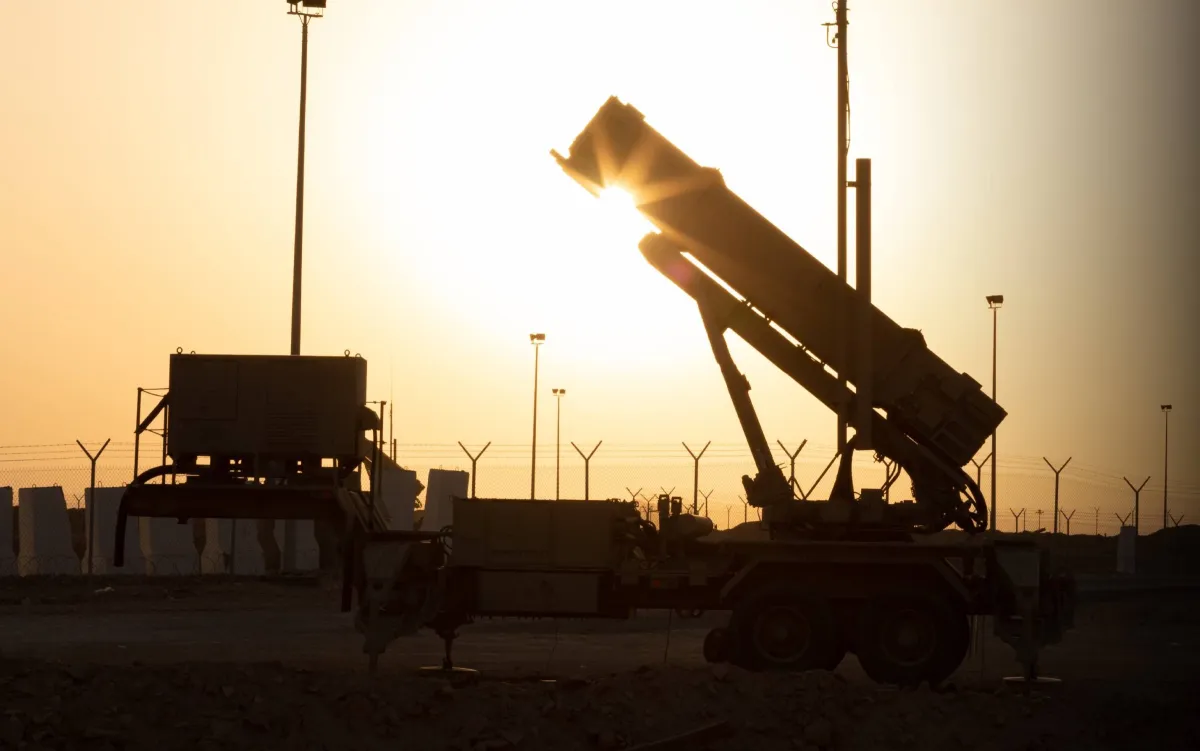
Saudi air defenses successfully intercepted and destroyed four ballistic missiles that were targeting the Eastern region early Tuesday morning. Major General Turki Al-Maliki, spokesperson for the Ministry of Defense, confirmed the success of the operation, reflecting the readiness of Saudi forces to deal with any potential threats.
Later, the Saudi Civil Defense issued two alerts in the Eastern region via the "National Early Warning Platform for Emergencies," warning citizens of the missile threat before canceling the alert minutes later. The Civil Defense urged adherence to instructions and advised against gatherings and photography in danger zones.
Details of the Incident
These developments come at a time when the region is witnessing an increasing escalation of missile attacks. Sheikh Mohammed bin Abdulrahman Al Thani, the Qatari Prime Minister and Minister of Foreign Affairs, condemned the ongoing Iranian targeting of the region. He emphasized that the escalation poses a threat to the security and stability of countries that have distanced themselves from conflicts.
During a phone call with Iranian Foreign Minister Abbas Araghchi, Sheikh Mohammed bin Abdulrahman discussed the implications of the military escalation on regional security, stressing the need to respect international law and cease targeting civilian infrastructure.
Background & Context
Tensions in the region are rising due to Iranian aggressions, with Saudi Arabia and Jordan affirming their solidarity in facing these attacks, rejecting any violation of international law. Saudi Foreign Minister Prince Faisal bin Farhan met with Jordanian Deputy Prime Minister Ayman Safadi to discuss ways to enhance cooperation in addressing common threats.
The meeting also addressed the situations in Syria and Palestine, where both sides emphasized the necessity of halting Israeli violations and ensuring humanitarian aid reaches the Gaza Strip.
Impact & Consequences
These events necessitate a swift response from Arab nations to enhance security cooperation, with the Saudi Ministry of Defense confirming its readiness to address any threats. The Kuwaiti armed forces reported 14 ballistic missiles and 46 hostile drones, reflecting the scale of threats facing the region.
In Bahrain, suspects were arrested for espionage with Iranian intelligence, complicating the security situation in the Gulf. The Bahrain Defense Force has confirmed intercepting 188 missiles and 468 drones since the onset of Iranian aggressions.
Regional Significance
These events underscore the urgent need for Arab efforts to unite in the face of security threats. The military escalation in the region directly impacts security and stability, necessitating effective diplomatic action to resolve conflicts.
In conclusion, diplomatic solutions remain the most suitable option for resolving crises, requiring cooperation among Arab states to ensure the security and stability of the region.