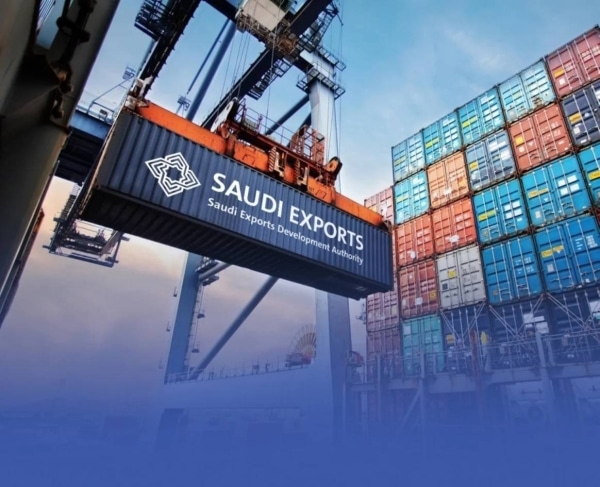
Saudi Arabia has recently achieved a historic high in its non-oil exports, showcasing the success of its economic strategies aimed at diversifying income sources. Official data indicates that non-oil exports have seen significant growth, reinforcing the Kingdom's position as a leading trade hub in the region.
This accomplishment comes at a time when the Kingdom is striving to reduce its reliance on oil, which has been the primary source of revenue for decades. The positive results are attributed to the ongoing efforts by the government to bolster non-oil sectors such as industry, trade, and services.
Details of the Achievement
According to reports, Saudi non-oil exports recorded a substantial increase compared to previous years, surpassing a total value of 100 billion Saudi Riyals in the first quarter of this year. These figures serve as a strong indicator of the success of the Kingdom's Vision 2030, which aims to achieve sustainable development and enhance economic diversification.
The non-oil exports encompass a wide range of products, including food items, chemicals, and industrial goods. There is also a growing interest from foreign companies to invest in the Saudi market, reflecting confidence in the Saudi economy.
Background & Context
Historically, Saudi Arabia has heavily relied on oil revenues, but global fluctuations in oil prices and economic crises have prompted the government to recognize the necessity of diversification. In recent years, numerous initiatives have been launched to enhance non-oil sectors, such as infrastructure development, improving the business environment, and increasing foreign investments.
Additionally, Vision 2030, launched by Crown Prince Mohammed bin Salman, aims to transform the Saudi economy into a diverse and sustainable one, reflecting the government's commitment to achieving this goal through clear and defined strategies.
Impact & Consequences
Achieving this level of non-oil exports has positive implications for the Saudi economy. An increase in exports translates to higher revenues, contributing to an improved public budget and enhancing the government's capacity to implement new development projects.
Moreover, this success demonstrates the Kingdom's ability to face global economic challenges and strengthens its position as a trade center in the region. Improving the performance of non-oil sectors also contributes to creating new job opportunities and elevating the standard of living for citizens.
Regional Significance
As the largest economy in the region, Saudi Arabia's success in boosting its non-oil exports will have a positive impact on other Arab countries. These results may encourage neighboring nations to adopt similar strategies to diversify their economies and reduce reliance on oil.
Furthermore, trade cooperation among Arab countries can be enhanced as a result of these achievements, contributing to economic integration in the region and fostering growth and development opportunities.
In conclusion, the rise in non-oil exports in Saudi Arabia marks a significant milestone in the country's economic transformation and reflects the Kingdom's commitment to achieving its developmental goals.