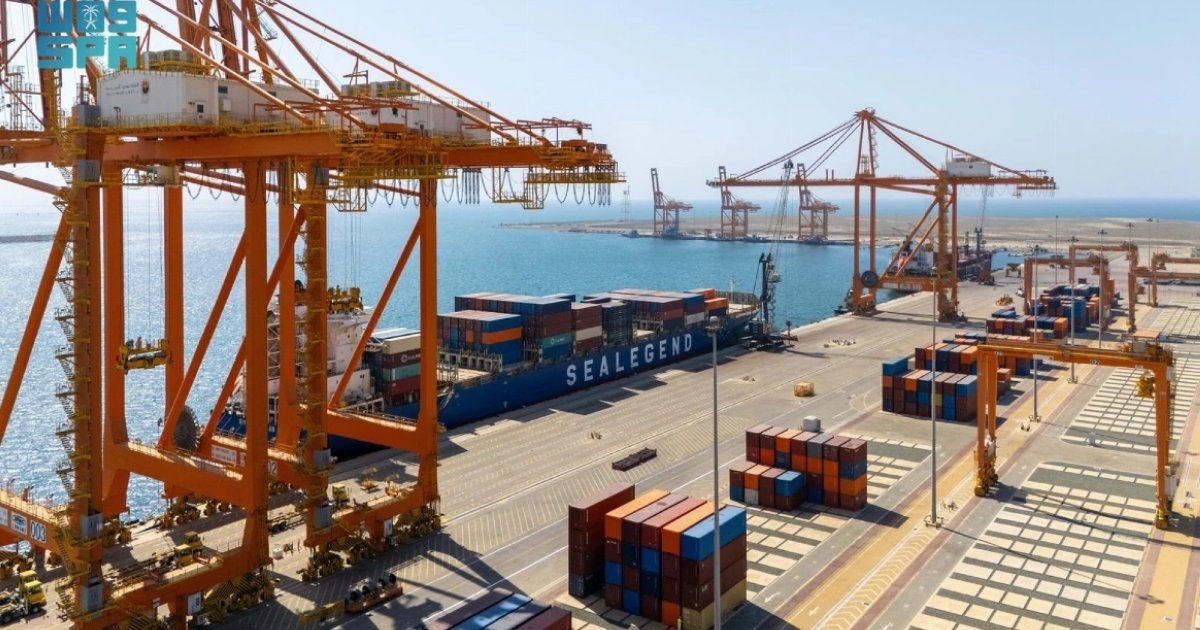
The Saudi Ports Authority has announced new guidelines permitting the release of goods from ports prior to the payment of storage fees. This decision is part of the authority's efforts to facilitate trade movement and enhance the national economy, allowing importers and exporters to receive their goods without the immediate need to pay fees.
According to the circular issued by the Ports Authority, the release of goods will be allowed based on approved data in the authority's electronic systems. A release permit must be obtained in accordance with the Port Community Law, with the condition that all due fees are paid in full within 15 days of the issuance of the approved invoice.
Details of the Announcement
The new guidelines will come into effect starting Wednesday, April 29. The authority emphasizes that releasing goods before payment does not exempt parties from financial obligations, as all due amounts remain payable within the specified period. The storage fees owed to the authority are considered government revenues and will be collected according to the approved financial regulations.
The Ports Authority also confirmed that it will take all necessary legal actions to collect these fees, including referring defaulters to the relevant authorities. The authority urged all concerned parties to comply with financial obligations and enhance adherence to regulations and instructions, stressing that it will take all regulatory measures in cases of non-compliance.
Background & Context
This step is part of Saudi Arabia's efforts to improve the business environment and enhance foreign trade. These guidelines come at a time when the kingdom is seeking to diversify its economy and reduce dependence on oil by promoting commercial and service sectors.
Historically, storage fees have represented a burden on importers and exporters, negatively impacting trade movement. Therefore, this step reflects the government's response to the private sector's demands and its direction towards improving the business climate.
Impact & Consequences
These guidelines are expected to accelerate the movement of goods and reduce costs for importers and exporters, potentially leading to increased commercial activity within the kingdom. Furthermore, easing the procedures for releasing goods may enhance the competitiveness of Saudi ports on both regional and international levels.
Additionally, this move could encourage increased foreign investment in the commercial sector, as the kingdom becomes more attractive to investors seeking a flexible and efficient business environment.
Regional Significance
This step is significant not only for Saudi Arabia but for the entire Arab region. Enhancing trade movement between Arab countries can contribute to achieving economic integration and bolster cooperation opportunities among nations. Furthermore, improving the business environment in Saudi Arabia may serve as a model for other countries in the region.
In conclusion, these guidelines represent a positive step towards improving the trade environment in the kingdom, contributing to the enhancement of the national economy and reflecting the modern trends of the Saudi government towards achieving sustainable development.