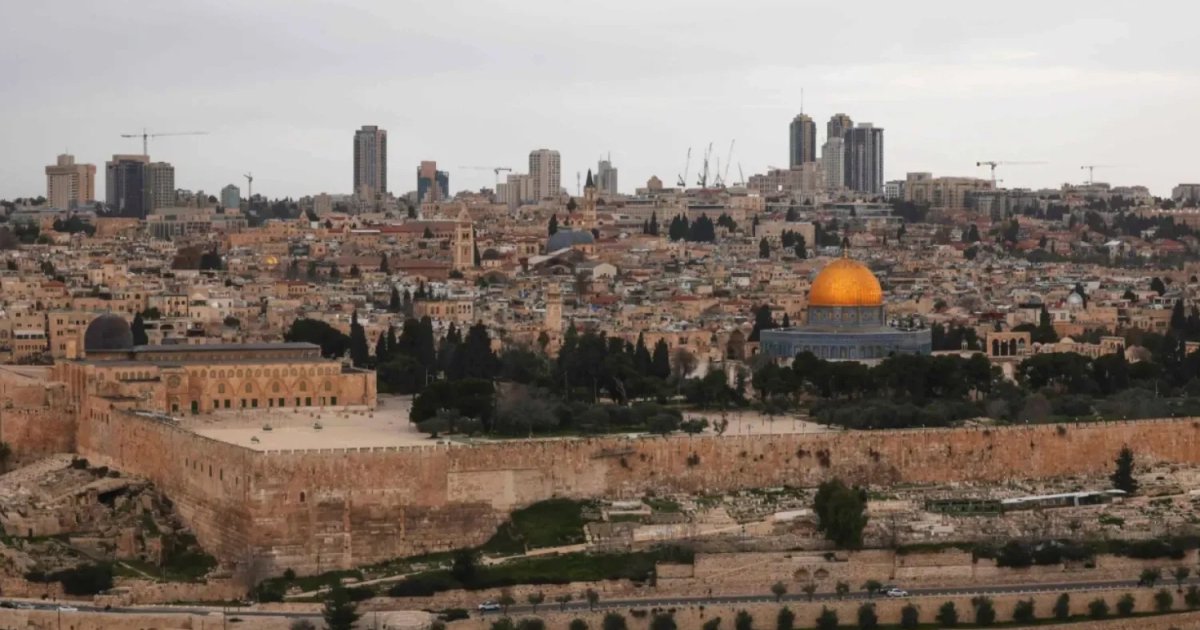
On Tuesday, Saudi Arabia strongly condemned the incursion carried out by an Israeli minister into the Al-Aqsa Mosque in East Jerusalem, accompanied by a number of occupation forces. The Saudi Foreign Ministry reiterated its firm rejection of Israel's ongoing violations of international law and its disrespect for the sanctity of Islamic sites, which incites anger among Muslims worldwide.
In an official statement, the ministry emphasized the necessity for the international community to take responsibility in stopping all Israeli violations against the Palestinian people, as well as against historical sites in occupied Palestine. The Kingdom called for respect for the historical and legal status of the Al-Aqsa Mosque, stressing the importance of holding the occupation accountable for these repeated and shameful acts.
Details of the Incident
The incursion of the Al-Aqsa Mosque by Israeli National Security Minister Itamar Ben Gvir on Monday sparked angry reactions in the Arab and Islamic worlds. Ben Gvir entered the mosque through the Moroccan Gate and roamed its courtyards, an act many considered an unacceptable provocation. This incursion comes at a sensitive time, as tensions in the region are escalating due to Israeli policies towards Palestinians.
Historically, the Al-Aqsa Mosque is one of the holiest sites for Muslims and bears witness to a long-standing conflict between Palestinians and Israelis. Repeated incursions into the mosque by Israeli officials raise deep concerns about the future of this sacred site and exacerbate tensions in the region.
Background & Context
The roots of the conflict over the Al-Aqsa Mosque date back decades, with Palestinians considering the mosque an integral part of their cultural and religious identity. Conversely, the Israeli government seeks to reinforce its control over the holy city, leading to heightened tensions between the two sides.
Incursions by Israeli officials, such as Itamar Ben Gvir, reflect the policy of the far-right Israeli government, which aims to alter the status quo at the Al-Aqsa Mosque. These policies not only exacerbate the conflict but also threaten stability in the region as a whole.
Impact & Consequences
The recent incursion into the Al-Aqsa Mosque could have serious repercussions for security and stability in the region. The escalating tensions may lead to an increase in violence, threatening the lives of civilians on both sides. Additionally, the angry reactions from Arab and Islamic countries may lead to increased international pressure on Israel.
It is crucial for the international community to recognize the seriousness of these actions and to take effective steps to halt Israeli violations. The Al-Aqsa Mosque is not merely a religious site; it is a symbol of Palestinian identity, and any aggression against it is considered an assault on Palestinian rights.
Regional Significance
The recent events at the Al-Aqsa Mosque serve as a wake-up call for Arab countries, highlighting the need for Arab unity in facing the challenges surrounding the Palestinian cause. Continued Israeli violations could exacerbate conditions in the region, necessitating a collective Arab response to support Palestinian rights.
In conclusion, Arab countries must adopt clear and firm positions regarding Israeli violations and work to strengthen Arab solidarity in the face of these challenges. The Al-Aqsa Mosque is a symbol of dignity and freedom, and it must be protected by all possible means.