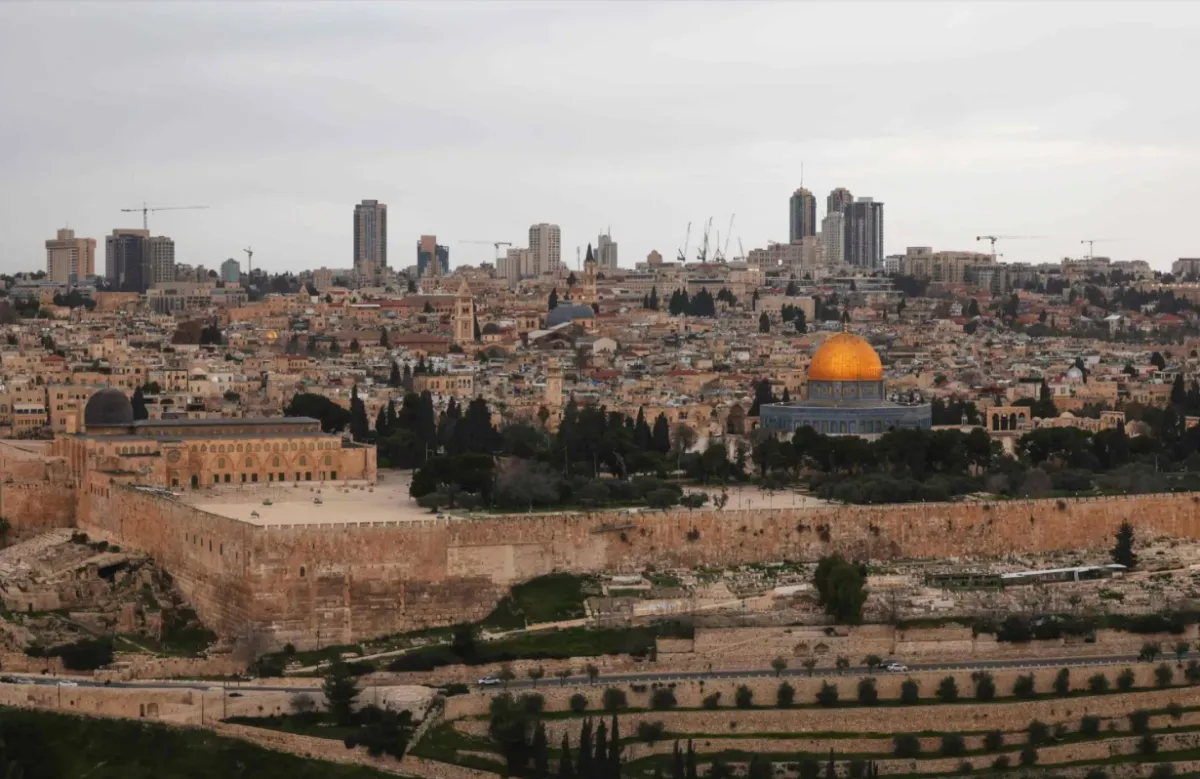
Saudi Arabia has condemned in the strongest terms the brazen incursion by an Israeli minister into the courtyards of the Al-Aqsa Mosque, protected by occupation forces. The Saudi Foreign Ministry, in a statement, affirmed its total rejection of the ongoing Israeli violations of international laws, the infringement on the sanctity of Islamic holy sites, and the provocation of Muslim sentiments worldwide.
The statement emphasized the importance of the international community taking responsibility to halt these Israeli violations and aggressions against the Palestinian people, as well as against the sacred and historical sites in occupied Palestine. The Kingdom also called for respect for the historical and legal status of the Al-Aqsa Mosque and for holding the occupation accountable for these repeated practices.
Details of the Incident
The incursion by the Israeli minister comes at a sensitive time, as tensions in the region have escalated due to rising political and security events. This incursion has sparked angry reactions from many Arab and Islamic countries, which have stressed the necessity of protecting Islamic sanctities.
The Saudi statement noted that these violations are not new; rather, they are part of a systematic policy aimed at altering the reality in occupied Jerusalem, which contradicts international laws and United Nations resolutions.
Background & Context
Historically, the Al-Aqsa Mosque is one of the holiest places for Muslims and has witnessed ongoing tensions between Palestinians and Israeli occupation forces. In recent years, there has been an escalation in Israeli incursions into the mosque, exacerbating the situation in the holy city.
These events occur against the backdrop of the escalating Israeli-Palestinian conflict, where the occupation seeks to impose its control over holy sites, provoking anger and condemnation within the Islamic world.
Impact & Consequences
These violations are expected to exacerbate the situation in the region, potentially leading to new waves of protests and confrontations. The continuation of these Israeli policies may negatively impact peace efforts in the region and increase instability.
These events represent a significant challenge for the international community, which is expected to take firm stances against these violations and work to protect the rights of Palestinians and Islamic sanctities.
Regional Significance
These events highlight the necessity of unifying Arab and Islamic efforts to confront Israeli violations and enhance support for the Palestinian cause. The escalation in Jerusalem may also affect relations between Arab countries and Israel, increasing tensions in the region.
In conclusion, the issue of the Al-Aqsa Mosque remains central to the Israeli-Palestinian conflict and requires ongoing international attention to protect the rights of Palestinians and Islamic sanctities.