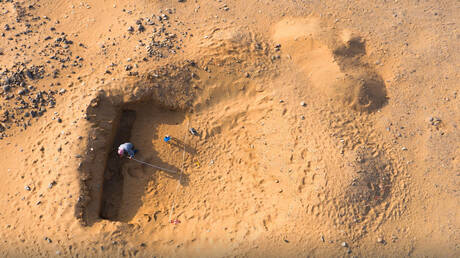
Saudi Arabia's Heritage Commission, in collaboration with the University of Exeter, has made a groundbreaking discovery of over 1700 ancient artifacts in the Miqat al-Juhfah, a key stop on the ancient Egyptian pilgrimage route.
The findings, which date back to ancient times, provide a unique glimpse into the lives of Arab pilgrims and their cultural practices.
Details of the Discovery
The discovery was made during the first season of a comprehensive survey and documentation project in Miqat al-Juhfah, which is part of a broader effort to explore and document the history of pilgrimage in the region.
The artifacts, which include a variety of items such as tools, utensils, symbols, and artwork, offer a fascinating insight into daily life and cultural practices in ancient times.
Background and Context
The pilgrimage, or Hajj, is one of the most significant events in Islam, and its history dates back to ancient times.
For centuries, the Hajj has been an integral part of Arab culture and identity, with pilgrims traveling from all over the world to perform the sacred rituals.
Impact and Consequences
The discovery of these artifacts will significantly contribute to a deeper understanding of the history of pilgrimage in the region.
It will also help to promote greater interest in the Hajj as a cultural and religious phenomenon.
Regional Significance
The discovery will have a profound impact on our understanding of the region's history and cultural heritage.
It will also contribute to a greater appreciation of the Hajj as a significant cultural and religious event.
Closing
The discovery of these ancient artifacts is a significant milestone in the field of archaeology and cultural heritage.
It highlights the importance of continued research and exploration into the history of pilgrimage in the region.