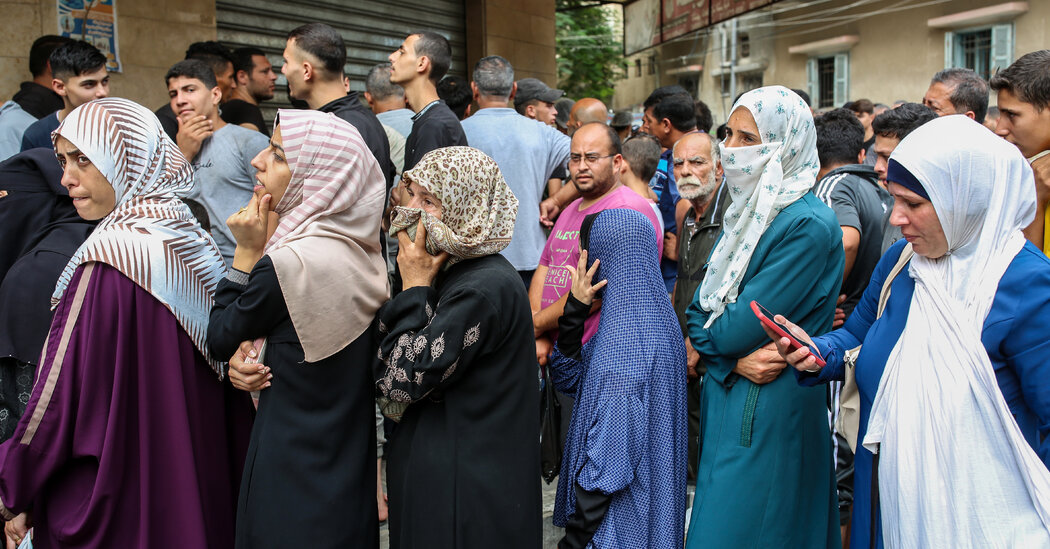
As part of its humanitarian efforts to support the Palestinian people, Saudi Arabia has distributed 24,720 hot meals in the Gaza Strip. This initiative comes at a critical time, as the residents of the area are suffering from severe food shortages due to the current situation.
The Kingdom aims through these initiatives to alleviate the suffering of Palestinians, as these meals represent a part of the ongoing efforts to provide humanitarian support amidst the multiple crises faced by the region. The meals were distributed in collaboration with local and international organizations to ensure that aid reaches those in need.
Details of the Distribution Event
The distribution of food meals took place in several areas within Gaza, where the most needy families were identified. The meals included a variety of foods that meet the nutritional needs of the residents. This step is part of a larger program aimed at providing humanitarian support to Palestinians under the difficult conditions they are living in.
This initiative follows a series of events that the region has witnessed, including military escalation and the ongoing blockade, which have exacerbated the humanitarian situation. Saudi Arabia, through these initiatives, seeks to strengthen its position as a major supporter of the Palestinian cause.
Background & Context
Historically, Saudi Arabia has been one of the first countries to support the Palestinian cause, providing financial and humanitarian assistance over the years. In recent years, the need for humanitarian support in Gaza has increased due to recurring crises, prompting the Kingdom to continue its efforts in this area.
Gaza is considered one of the most affected areas by the conflict, with over two million people living under harsh conditions. The blockade imposed on the region has significantly impacted the local economy, leading to rising poverty and unemployment rates.
Impact & Consequences
The distribution of hot meals has a positive impact on the Palestinian community, as it helps alleviate the suffering of needy families. This humanitarian act reflects the Kingdom's commitment to supporting the Palestinian people, enhancing its position on the international stage.
These initiatives are expected to encourage more countries and humanitarian organizations to provide support, potentially leading to long-term improvements in the humanitarian situation in Gaza. Furthermore, these steps strengthen the ties between the Kingdom and the Palestinian people.
Regional Significance
This initiative serves as a model for humanitarian work, reflecting the importance of Arab solidarity in facing crises. Amid the difficult circumstances faced by many Arab countries, Saudi Arabia's support for Palestine can be an exemplary model for enhancing Arab cooperation.
Providing humanitarian aid reflects the authentic Arab values of generosity and assistance, strengthening the bonds between Arab countries and peoples. Additionally, this type of support can contribute to improving the image of Arab nations in the international community.
In conclusion, Saudi Arabia remains committed to supporting the Palestinian people through humanitarian assistance and alleviating suffering. These initiatives reflect the Kingdom's dedication to the Palestinian cause and emphasize the importance of collective action in addressing humanitarian challenges.