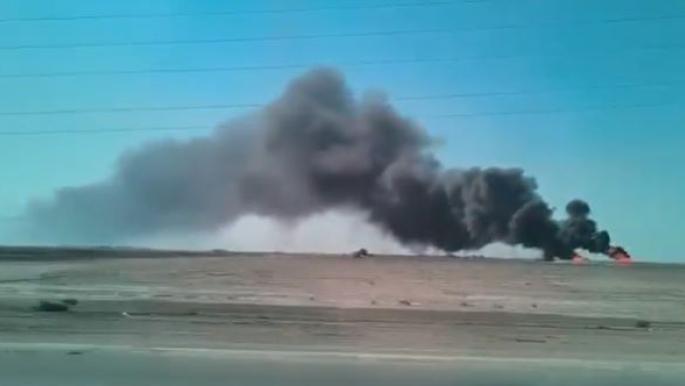
Oil sources confirm that Saudi Arabia's East-West pipeline is currently operating at full capacity, with a production capacity of 7 million barrels per day. This pipeline is considered one of the strategic projects that contribute to enhancing Saudi oil exports through the Yanbu port on the Red Sea.
This announcement comes at a time when global markets are experiencing significant fluctuations due to geopolitical and economic crises, making it crucial for Saudi Arabia to maintain a high level of production and export. The East-West pipeline is a vital artery for transporting oil to global markets, reflecting the Kingdom's commitment to meeting market demands.
Details of the Event
The East-West pipeline is one of the major projects implemented under Saudi Vision 2030, which aims to diversify the economy and reduce dependence on oil. This pipeline extends from oil fields in the Eastern Province to the Yanbu port, facilitating the export of oil to various markets.
Reports indicate that this pipeline has played an important role in increasing Saudi Arabia's oil export capacity, especially amid challenges faced by other producing countries. The Yanbu port is a strategic point for oil exports, allowing quick and efficient access to European and Asian markets.
Background & Context
Historically, Saudi Arabia relied on traditional transportation methods for oil, but with the increasing global demand for oil, it became necessary to develop a more efficient infrastructure. The East-West pipeline was established in 1981 and is considered one of the longest pipelines in the world, extending over 1,200 kilometers.
The importance of this pipeline comes in the context of global changes in the oil market, as Saudi Arabia seeks to maintain its position as the largest oil exporter in the world. Additionally, the stability of production in this pipeline reflects the Kingdom's ability to face economic and political challenges.
Impact & Consequences
The operation of the East-West pipeline at full capacity is a positive indicator of Saudi Arabia's ability to enhance its oil exports. This could significantly impact global oil prices, as an increase in supply is expected to stabilize prices in the markets.
This achievement also reflects Saudi Arabia's commitment to enhancing its investments in the energy sector, which may attract more foreign investments. Amid the challenges faced by some oil-producing countries, the stability of production in Saudi Arabia is a crucial factor in maintaining market balance.
Regional Significance
The success of the East-West pipeline serves as a model for other Arab countries seeking to develop their infrastructure in the energy sector. This success can contribute to enhancing cooperation among Arab countries in the field of energy, strengthening their ability to face economic challenges.
Moreover, the increase in Saudi oil exports may affect economic relations between Saudi Arabia and neighboring countries, potentially contributing to economic stability in the region. Amid geopolitical tensions, the stability of oil exports is a vital factor in maintaining economic security in the area.
In conclusion, the operation of the East-West pipeline at full capacity is a strategic step reflecting Saudi Arabia's ability to adapt to global changes and reinforces its position as the largest oil exporter in the world.