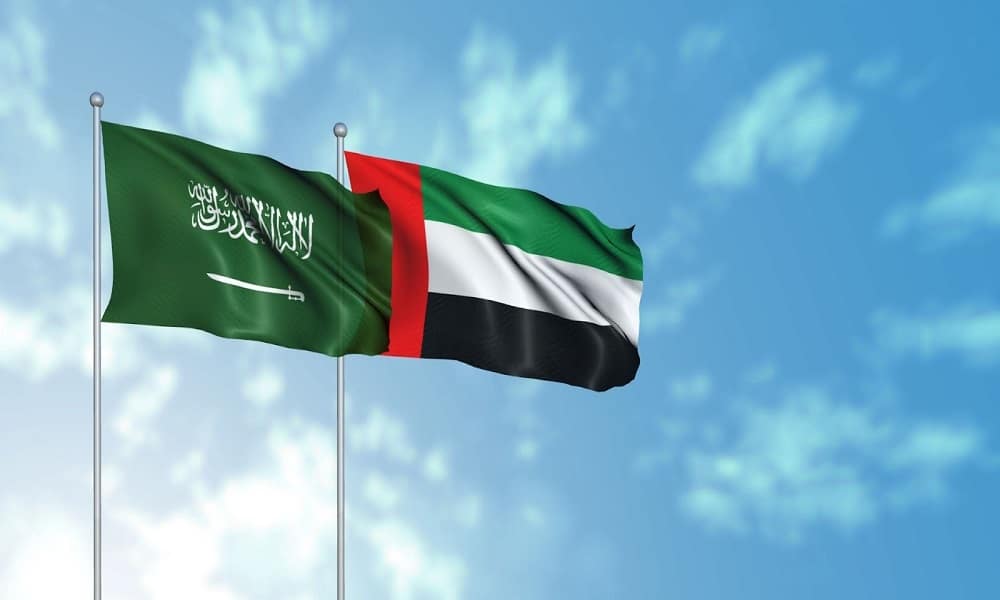
Economic forecasts suggest that the Kingdom of Saudi Arabia will witness accelerated growth in its economy until 2025, thanks to Vision 2030 launched in 2016. This vision aims to achieve sustainable development and diversify national income sources, thereby enhancing the resilience of the Saudi economy.
Vision 2030 includes a set of economic and social reforms aimed at boosting both domestic and foreign investments, as well as developing non-oil sectors such as tourism, entertainment, and technology. Reports have shown that these reforms are beginning to bear fruit, with the Kingdom experiencing a noticeable increase in foreign direct investments.
Event Details
According to economic reports, the Saudi GDP is expected to grow at a rate exceeding 3% annually until 2025. This growth is attributed to increased production in non-oil sectors, in addition to improvements in the business environment within the Kingdom. The Saudi government is also striving to attract more foreign investments by offering incentives and guarantees to investors.
Major projects such as the NEOM project and tourism and entertainment initiatives are part of the Kingdom's strategy to enhance economic growth. These projects aim to create new job opportunities and stimulate innovation across various fields.
Background & Context
Since the discovery of oil in the Kingdom, the Saudi economy has heavily relied on oil revenues. However, the government recognized that dependence on oil alone is insufficient for ensuring economic sustainability. Therefore, Vision 2030 was launched in response to global and local economic challenges, including fluctuations in oil prices.
Vision 2030 also includes enhancing the role of the private sector in the economy, contributing to sustainable growth. It aims to improve the quality of life for citizens by providing job opportunities and enhancing education and healthcare.
Impact & Consequences
These reforms are expected to improve the standard of living in the Kingdom, as they will contribute to creating new job opportunities and increasing household income. Additionally, growth in non-oil sectors will enhance the Saudi economy's ability to withstand future economic crises.
Moreover, these changes may lead to increased economic cooperation with other countries, contributing to strengthening trade and investment relations. Improving the business environment could attract more global companies to invest in the Kingdom.
Regional Significance
The economic growth in Saudi Arabia is a positive indicator for the region, as it can serve as a model for achieving economic diversification. If the Kingdom successfully achieves the goals of Vision 2030, it may inspire other countries in the region to adopt similar strategies.
In conclusion, the anticipated growth in the Saudi economy until 2025 represents a significant opportunity to enhance economic stability in the region, contributing to sustainable development and strengthening the Kingdom's position as an economic power globally.