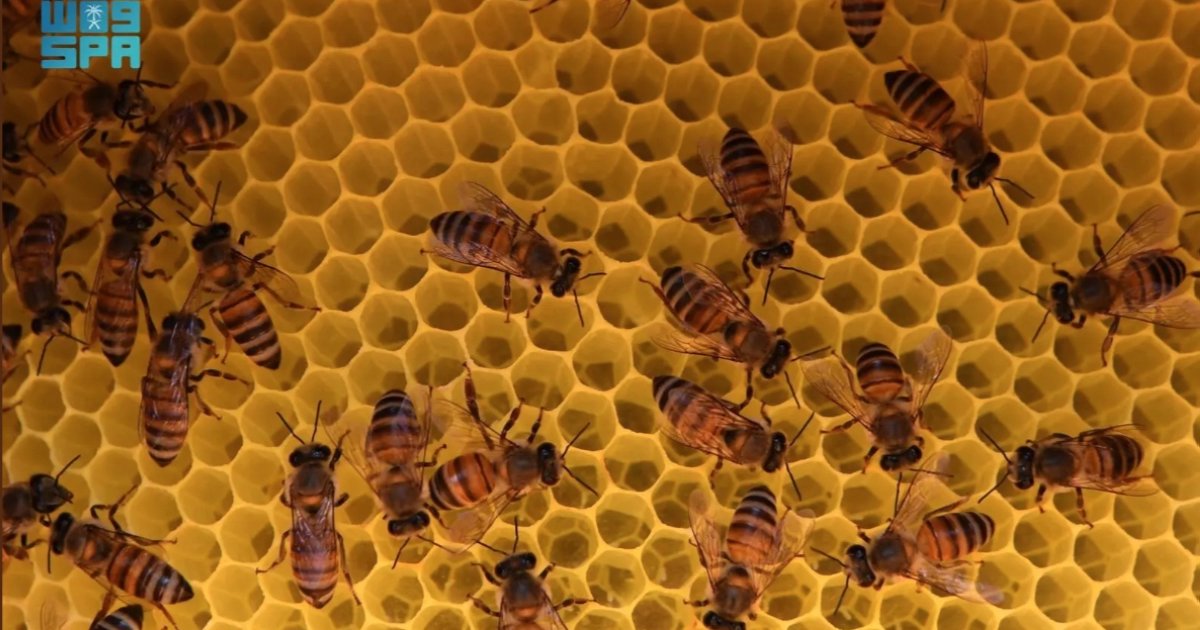
Saudi Arabia is moving towards strengthening its efforts in beekeeping and honey production, having organized a specialized workshop in the Mahayel Asir governorate titled "Beekeeping Queens." The workshop saw participation from over 100 beekeepers and aims to develop their skills in this vital field.
The workshop was organized in collaboration with the "Riyadh" program, the Khamis Mushait municipality, the Beekeepers Association in Mahayel Asir, and the Food and Agriculture Organization of the United Nations. It focused on providing scientific and practical content regarding modern methods in queen bee breeding, improving strains, increasing the number of colonies, managing apiaries, and disease prevention.
Event Details
Engineer Mohammed Al-Ateeq, the director general of the ministry's branch in the region, confirmed that these training programs are part of ongoing efforts to develop the beekeeping sector and enhance sustainable agricultural practices. These initiatives reflect the government's direction to support small producers and develop value chains in the honey sector through agricultural guidance and specialized training.
The Kingdom is also seeking to strengthen its partnerships with international organizations to benefit from global expertise and apply it locally. The focus on beekeeping reflects the Kingdom's commitment to broader environmental efforts, as bees play a vital role in maintaining ecological balance.
Background & Context
Beekeeping is considered one of the traditional agricultural activities with a long history in the Arab world, linked to agricultural growth and environmental sustainability. In Islam, bees are seen as a symbol of blessing, as mentioned in Surah An-Nahl in the Holy Quran, reflecting their importance in preserving ecosystems.
Saudi Arabia faces significant environmental challenges, especially in arid and semi-arid regions, making the role of bees in pollinating plants and maintaining biodiversity crucial. Bees contribute to soil stability and prevent erosion, which enhances food security in the Kingdom.
Impact & Consequences
The benefits of beekeeping extend beyond economic dimensions, as bees play a vital role in enhancing food security by increasing the production of fruits, vegetables, and nuts. A decline in bee populations can significantly impact agricultural production, highlighting the importance of these efforts in strengthening the agricultural sector in the Kingdom.
These initiatives coincide with Saudi Arabia's progress in its environmental agenda, including the rehabilitation of over one million hectares of degraded land, enhancing ecosystem resilience and increasing plant coverage across the Kingdom.
Regional Significance
Saudi Arabia's efforts to enhance beekeeping serve as a model for the Arab region, potentially contributing to improved food security and sustainable development. These initiatives may inspire other countries in the region to adopt similar strategies to support sustainable agriculture.
In conclusion, these efforts reflect Saudi Arabia's commitment to promoting sustainable agriculture and protecting the environment, contributing to economic and social development in the Kingdom.