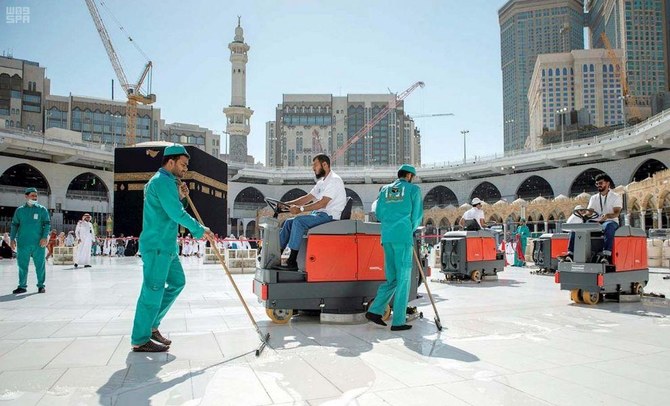
The Saudi Ministry of Hajj and Umrah has announced new measures to enhance health checks for pilgrims, organizing awareness sessions in Bogor, Indonesia, on Thursday, April 2. This initiative is part of the ministry's efforts to ensure the safety of pilgrims and prepare them for the upcoming Hajj season.
The awareness sessions include advice and guidance on how to maintain physical fitness, which is crucial given the current health conditions. The importance of medical examinations before traveling to the holy sites was also emphasized to ensure that pilgrims are not exposed to any health risks while performing their rituals.
Event Details and Objectives
The Ministry of Hajj and Umrah aims to enhance health awareness among pilgrims by organizing these sessions, which provide information on how to cope with the various climatic conditions that pilgrims may face in Mecca and Medina. The sessions also clarify how to prevent common diseases that may spread during the Hajj season.
Reports indicate that these sessions target pilgrims from Indonesia, which is considered one of the largest countries sending pilgrims to Saudi Arabia. It is expected that the number of Indonesian pilgrims this year will exceed 200,000, necessitating precautionary measures to ensure their safety.
Background and Context
Historically, the Hajj season has faced numerous health challenges, especially in recent years with the emergence of the COVID-19 pandemic. These circumstances have led to a reevaluation of the health measures implemented during Hajj, prompting the Ministry of Hajj and Umrah to adopt new strategies to ensure the safety of pilgrims.
In previous years, strict health measures were enforced, including medical examinations and necessary vaccinations. As life returns to normal, the ministry seeks to strike a balance between maintaining public health and facilitating the performance of rituals.
Impact and Consequences
These new measures are a positive step towards enhancing the safety of pilgrims, as they help reduce potential health risks. They also reflect the Saudi government's commitment to providing a safe environment for pilgrims, thereby enhancing the Kingdom's reputation as a secure destination for performing Hajj.
It is anticipated that these measures will increase trust among pilgrims, potentially contributing to a rise in their numbers in the coming years. Furthermore, enhancing health awareness among pilgrims could have a positive impact on public health in local communities.
Regional Significance of the Measures
Saudi Arabia is a significant religious center in the Islamic world, attracting millions of pilgrims annually from various Arab and Islamic countries. Therefore, any improvements in Hajj procedures directly affect the countries sending pilgrims.
These measures contribute to strengthening cooperation among Islamic countries in the field of public health, improving the overall Hajj experience. Additionally, enhancing health awareness among pilgrims can serve as a model for other countries.
In conclusion, these serious steps taken by the Saudi Ministry of Hajj and Umrah reflect the Kingdom's commitment to providing a safe and healthy Hajj experience, reinforcing its position as a primary destination for Hajj in the Islamic world.