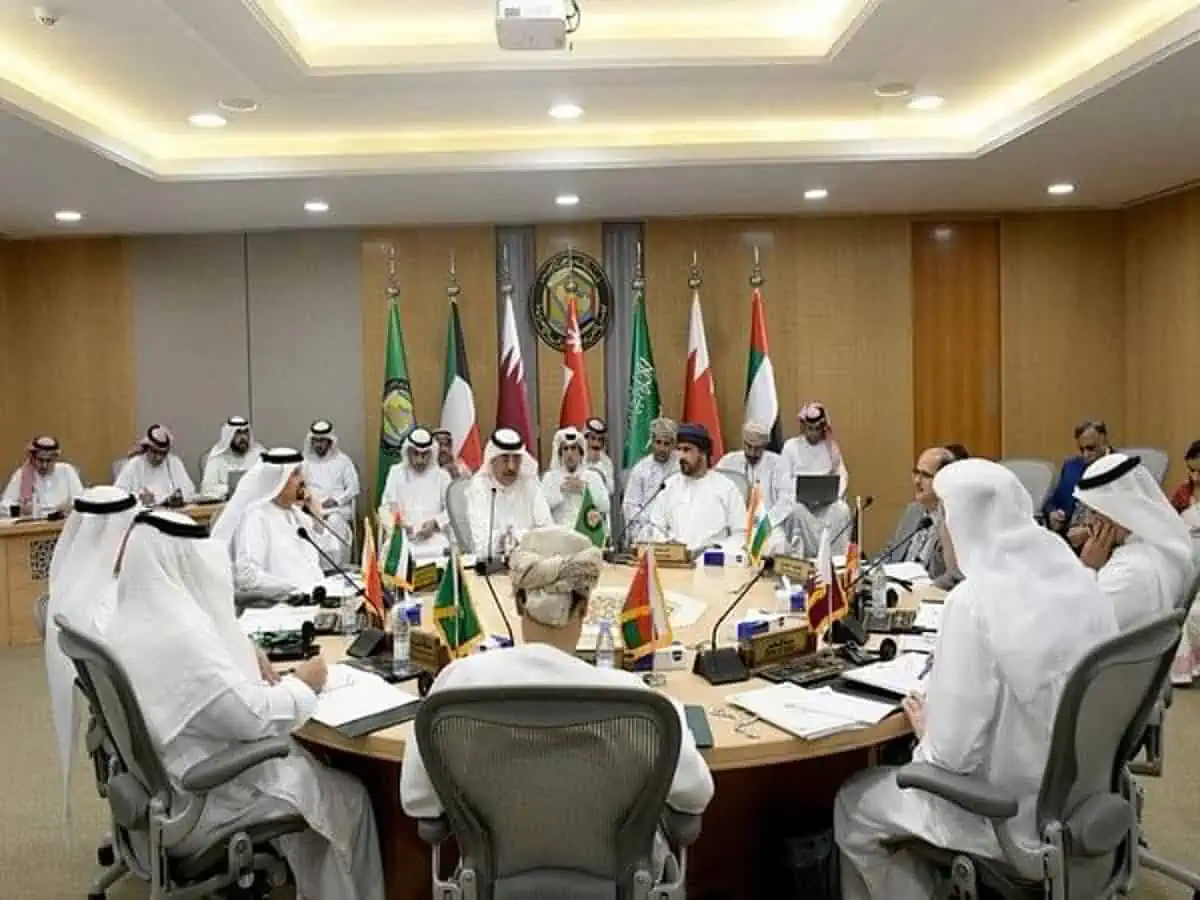
Saudi Arabia has demonstrated its ability to enhance its centrality in Gulf trade, successfully maintaining the flow of goods and services despite global economic challenges. This move comes at a time when many countries are suffering from the effects of successive crises.
In light of the difficult economic conditions facing the world, including the repercussions of the COVID-19 pandemic and the war in Ukraine, the Kingdom has managed to strengthen its role as a key trade hub in the Gulf region. Reports indicate that Saudi Arabia has increased its trade volume with Gulf countries, reflecting its effective strategy in confronting crises.
Event Details
Saudi Arabia is considered one of the largest economies in the region, with trade being a fundamental part of its development strategy. Data has shown that trade volume between Saudi Arabia and the Gulf Cooperation Council (GCC) countries has seen a significant increase, with both exports and imports rising markedly over the past year. This increase reflects the Kingdom's ability to meet the needs of the Gulf market during times of crisis.
Saudi Arabia aims to achieve Vision 2030, which seeks to diversify the economy and reduce dependence on oil. In this context, trade represents one of the main pillars for achieving this vision, as the Kingdom works to enhance its trade relations with Gulf countries by establishing strategic partnerships and facilitating trade movement.
Context and Background
Historically, Saudi Arabia has played a pivotal role in Gulf trade, serving as a center for the exchange of goods and services among neighboring countries. However, the economic and political crises that the region has witnessed in recent years have impacted this role. Nevertheless, despite these challenges, the Kingdom has managed to reaffirm its position as a major trade center.
The trade relations between Saudi Arabia and other Gulf countries are part of the Kingdom's efforts to enhance regional cooperation. Figures show that trade between Saudi Arabia and the GCC countries represents a significant percentage of the Kingdom's total foreign trade, reflecting the importance of these relations in promoting economic stability in the region.
Implications and Impact
The increase in trade between Saudi Arabia and Gulf countries reflects the impact of effective economic policies adopted by the Kingdom. With the rising demand for goods and services, Saudi Arabia has been able to meet the needs of the Gulf market, contributing to enhanced economic stability in the region.
Furthermore, strengthening Gulf trade contributes to achieving economic integration among the member states of the Cooperation Council, enhancing these countries' ability to face global economic challenges. This cooperation also reflects the commitment of Gulf countries to achieve sustainable development and promote regional stability.
Impact on the Arab Region
Saudi Arabia serves as a model for enhancing regional trade, as its experience can inspire other Arab countries to adopt similar strategies. With increasing economic challenges, it becomes essential for Arab countries to enhance trade cooperation among themselves.
Enhancing trade among Arab countries can contribute to achieving sustainable development and strengthen these countries' ability to face crises. Additionally, trade cooperation can help promote political and social stability in the region, reflecting the importance of this collaboration in enhancing regional security.
In conclusion, Saudi Arabia's experience in enhancing its centrality in Gulf trade stands as evidence of the ability of countries to adapt to economic challenges. Strengthening trade relations among Gulf countries represents an important step towards achieving sustainable development and enhancing stability in the region.