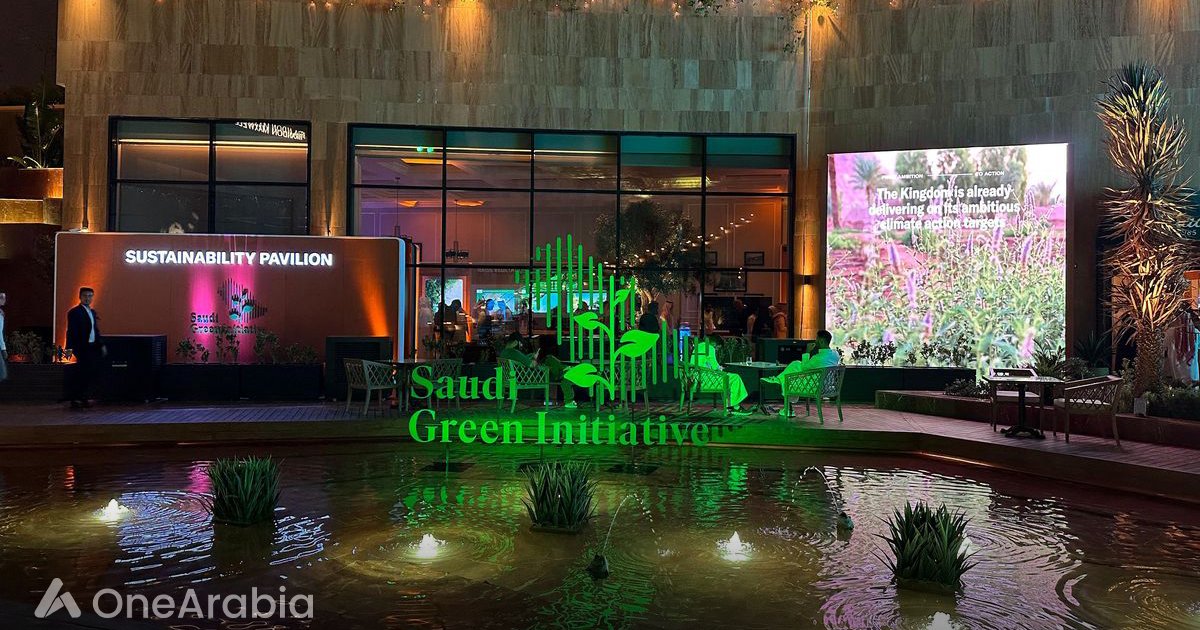
Saudi Arabia has announced its hosting of the Green Climate Fund, reflecting international confidence in its efforts to combat climate change. This move enhances its position as a key supporter of global climate action.
The Green Climate Fund is a global financing mechanism aimed at supporting developing countries in addressing the impacts of climate change and promoting sustainable development projects. This announcement comes at a time when the Kingdom is seeking to enhance its environmental strategies and achieve the goals of Vision 2030.
Event Details
The announcement of the fund's hosting was made during an international climate conference, where Saudi officials emphasized the importance of this step in enhancing international cooperation to tackle environmental challenges. They noted that the Kingdom will work to provide a suitable environment to attract investments in renewable energy projects and clean technology.
Hosting the Green Climate Fund serves as an international recognition of the Kingdom's efforts in climate action, as Saudi Arabia aims to reduce carbon emissions and increase reliance on renewable energy sources. Many countries and international organizations have expressed their support for this step, reflecting confidence in the Kingdom's ability to manage this fund effectively.
Background & Context
This step is part of the ongoing efforts by the Kingdom to address climate change, having launched several initiatives aimed at reducing carbon emissions and promoting environmental sustainability. Among these initiatives is Vision 2030, which includes ambitious goals in the field of renewable energy and environmental conservation.
Saudi Arabia is one of the largest oil-producing countries in the world, placing it in a sensitive position regarding climate changes. Therefore, its hosting of the Green Climate Fund reflects a strategic shift towards a green economy and a move away from total dependence on oil.
Impact & Consequences
Hosting the Green Climate Fund is expected to attract foreign investments to the Kingdom, thereby enhancing economic growth and creating new job opportunities in the fields of renewable energy and clean technology. This step will also help strengthen cooperation between the Kingdom and other countries in the field of environmental research and development.
Moreover, hosting the fund will enhance the Kingdom's role as a regional leader in climate action, potentially opening doors for it to host other international conferences and events related to the environment and climate.
Regional Significance
The hosting of the Green Climate Fund is an important step not only for the Kingdom but for the entire Arab region. This move can inspire other countries in the region to adopt more sustainable environmental policies and support environmental projects.
Additionally, enhancing regional cooperation in climate action can contribute to addressing shared environmental challenges, such as desertification and water scarcity, thereby strengthening environmental security in the region.
In conclusion, Saudi Arabia's hosting of the Green Climate Fund reflects its strong commitment to addressing climate change and promoting sustainable development. This step represents a new beginning in the Kingdom's journey towards achieving its environmental and economic goals.