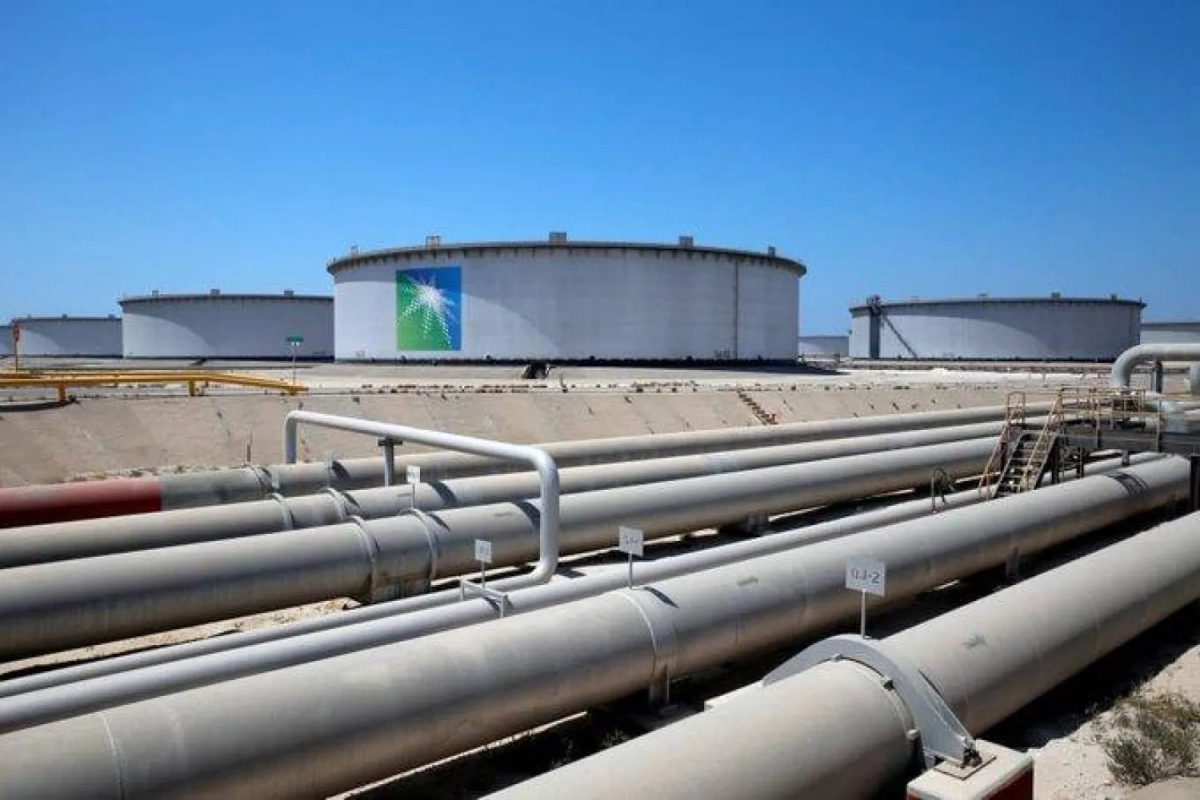
Reports indicate that the East-West pipeline in Saudi Arabia is currently operating at full capacity, with production reaching 7 million barrels per day. This announcement comes at a time when the region is experiencing increasing unrest, prompting measures to ensure the continuity of oil flows.
According to a report published by Bloomberg, crude oil exports from the Yanbu port on the Red Sea have reached 5 million barrels per day. Additionally, the Kingdom is exporting between 700,000 and 900,000 barrels per day of refined petroleum products. The CEO of Aramco, Amin Nasser, stated earlier in March that the pipeline was expected to reach its full capacity with shipments being redirected by customers.
Strategic Importance of the Pipeline
This move is highly strategic for the Kingdom, as the East-West pipeline bypasses the Strait of Hormuz, which is a critical point for oil transportation. Traffic through the strait has been affected by recent escalations in the region, making it essential for the Kingdom to enhance its capacity to export oil through alternative routes.
Saudi Arabia aims to maintain stability in global energy markets, as any disruptions in oil flows could lead to price increases and further tensions in the markets. Data has shown that the Kingdom is capable of meeting increasing customer demands through this pipeline.
Background & Context
Historically, the Strait of Hormuz is one of the most important maritime passages in the world, through which approximately 20% of the world's total oil passes. However, political and military tensions in the region, including conflicts between Iran and the United States, have significantly affected shipping traffic.
In recent years, Saudi Arabia has taken steps to enhance its oil infrastructure, including the development of new pipelines and export facilities. The East-West pipeline is part of this strategy, aiming to reduce dependence on the Strait of Hormuz.
Impact & Consequences
These developments underscore the importance of stability in energy markets amid changing geopolitical conditions. Saudi Arabia's ability to maintain high production levels reflects its strength as the largest oil producer in the world, granting it greater leverage in the global market.
However, ongoing unrest in the region could lead to price volatility, impacting the global economy. Oil-consuming countries must be aware of the implications of these events on their supplies and prices.
Regional Significance
These events are particularly significant for other Arab countries that rely on oil exports. With rising tensions in the Gulf, these nations may face challenges in maintaining stability in their oil markets.
Furthermore, Saudi Arabia's success in navigating these crises may encourage other countries to enhance their oil infrastructure and develop alternative export routes, thereby strengthening their ability to face future challenges.