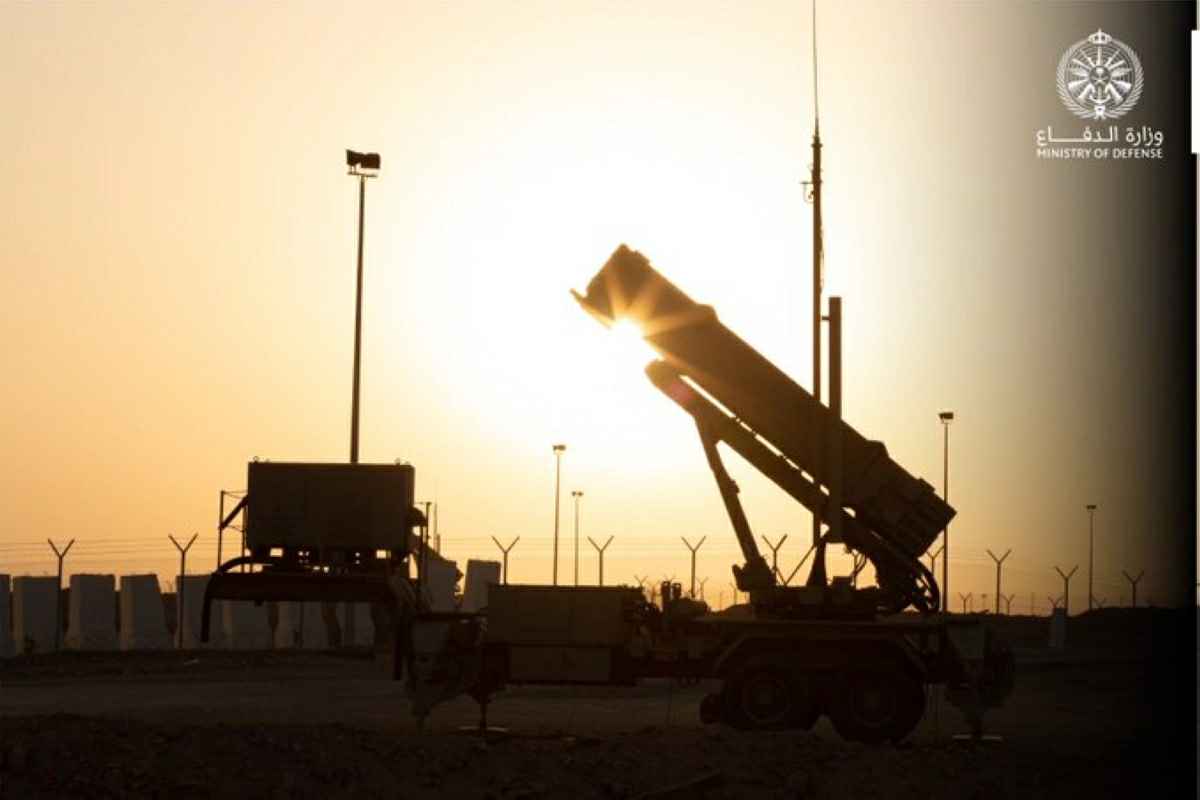
The Saudi Ministry of Defense has reported its success in intercepting and destroying a cruise missile on Sunday, reflecting the readiness of the Kingdom's air defense systems. This operation comes at a time when no attacks were recorded on Saturday, marking a precedent since the beginning of March.
Since March 3, the Kingdom has detected approximately 799 drones and 86 ballistic missiles along with 9 cruise missiles. These figures illustrate the scale of aerial threats faced by the Kingdom, with official data showing a continuous pattern of daily attacks, where drones account for the majority of these incidents.
Details of the Incident
Despite an overall decrease in attack levels, mid-March saw notable spikes in activity, with drone incidents peaking on March 21 when 62 drones were recorded in a single day. Additionally, ballistic activities peaked on March 18 with 12 missiles, while cruise missiles reached their highest level on March 5 with 3 missiles recorded in one day.
The targeted locations varied, including areas such as Riyadh, Al-Kharj, the Eastern Province, Prince Sultan Air Base, and the Empty Quarter. Despite the recurrence of these attacks, Saudi air defenses have successfully intercepted and destroyed threats before they reached their intended targets.
Background & Context
These developments come amid rising tensions in the region, where Saudi Arabia is frequently subjected to drone and missile attacks, reflecting ongoing regional conflicts. Over the years, the Kingdom has witnessed numerous attacks targeting its vital facilities, prompting it to enhance its defensive capabilities.
Historically, Saudi Arabia has invested heavily in developing air defense systems, including purchasing advanced systems from various countries. These investments are part of its efforts to protect its territory and facilities from increasing threats.
Impact & Consequences
The success in intercepting these attacks reflects the strength and efficiency of Saudi air defenses, which may bolster the Kingdom's position in the region. It also demonstrates the Kingdom's ability to confront security challenges, potentially enhancing its political and economic stability.
However, the continuation of these attacks indicates that security threats remain present, necessitating ongoing enhancements to the Kingdom's defensive capabilities and collaboration with allies to address these challenges.
Regional Significance
These events hold significant importance for the Arab region, as they reflect the ongoing tensions between regional powers. The situation in Saudi Arabia illustrates how regional conflicts can impact the security and stability of neighboring countries.
In light of these tensions, regional cooperation in security and defense is vital for maintaining stability in the area. This requires Arab nations to strengthen their partnerships and collaboration to address common threats.