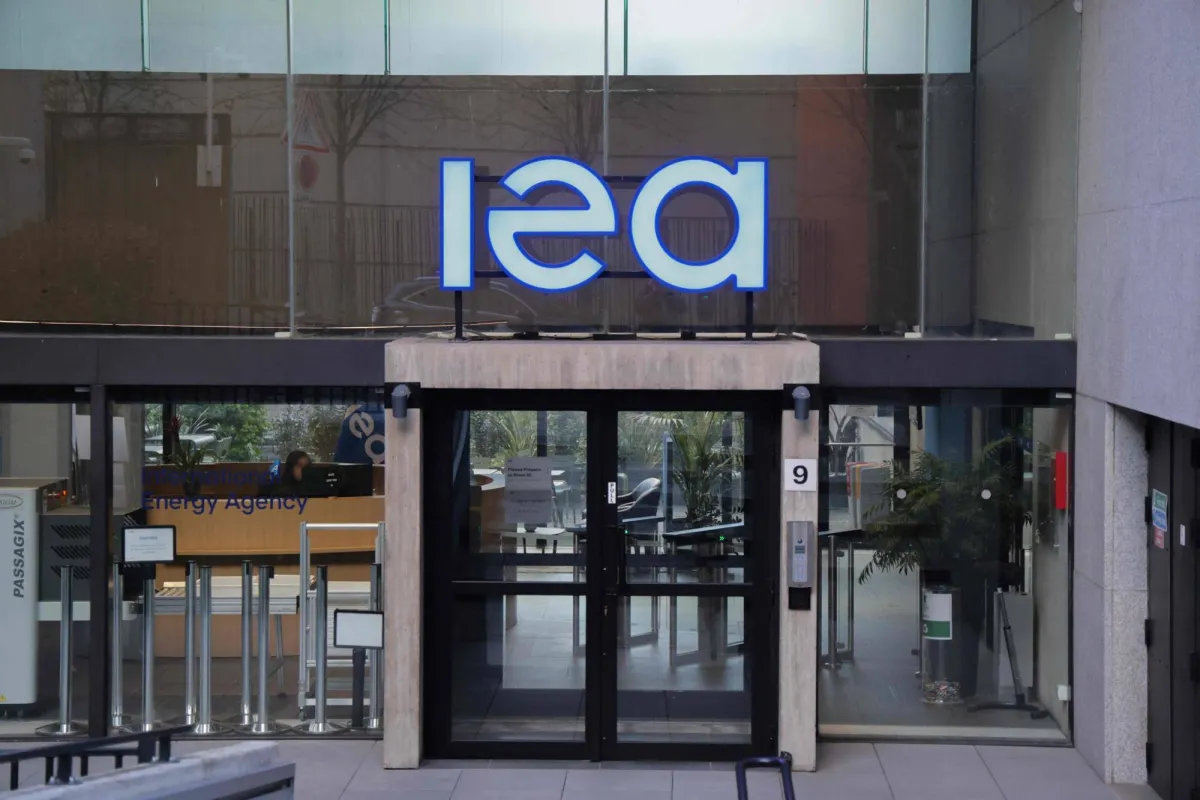
The Executive Director of the International Energy Agency, Fatih Birol, commended the rapid and effective response demonstrated by the Kingdom of Saudi Arabia in addressing the current energy crisis. Birol confirmed that Saudi Arabia successfully secured oil flows to the world through strategic logistical solutions, overcoming the challenges posed by the closure of the Strait of Hormuz.
Birol warned countries against succumbing to the desire to stockpile oil and fuel, indicating that supplies are expected to dwindle further if the closure of the Strait of Hormuz continues to hinder maritime traffic. In his remarks to the Financial Times, he stated that imposing export restrictions would have negative impacts on global markets.
Event Details
In the context of the current crisis, Birol noted that some countries, despite the difficult circumstances, are stockpiling energy, undermining the International Energy Agency's efforts to release 400 million barrels from emergency reserves. He deemed this behavior unhelpful and urged countries to act as responsible members of the international community.
Birol also addressed the situation in China, where Beijing has imposed a ban on the export of gasoline, diesel, and jet fuel, raising concerns in the markets. He emphasized the importance of rethinking these restrictions, warning of their dramatic effects on Asian markets.
Background & Context
These statements come at a time when the world is witnessing a surge in oil and gas prices due to rapidly escalating geopolitical events. According to Birol, the closure of the Strait of Hormuz, through which about one-fifth of the world's oil and liquefied gas passes, could lead to a loss of double the amount of oil lost in March.
He also pointed out that the agency is monitoring 72 energy assets in the region, one-third of which have suffered severe damage. Birol predicted that the current crisis would reshape the global energy system, indicating the possibility of a new nuclear renaissance and a boom in electric vehicles.
Impact & Consequences
Concerns are growing about the crisis's effects on global markets, as the Joint Ministerial Monitoring Committee of OPEC+ warned against attacks on energy infrastructure. They stressed the importance of protecting international maritime corridors to ensure uninterrupted energy flow.
Birol noted that Saudi Arabia has successfully redirected more than two-thirds of its oil exports through the East-West Pipeline, contributing to the assurance of continued oil flow to global markets. This move is deemed crucial under the current circumstances.
Regional Significance
This crisis presents an opportunity to reassess energy strategies in the Arab region, where Arab countries must enhance cooperation in the energy sector to ensure market stability. The economic transformations resulting from the crisis may also push countries towards diversifying energy sources.
In conclusion, the current situation requires Arab countries to take proactive steps to ensure energy security and avoid any actions that could exacerbate the crisis. Cooperation between producing and consuming nations will have a significant impact on market stability.