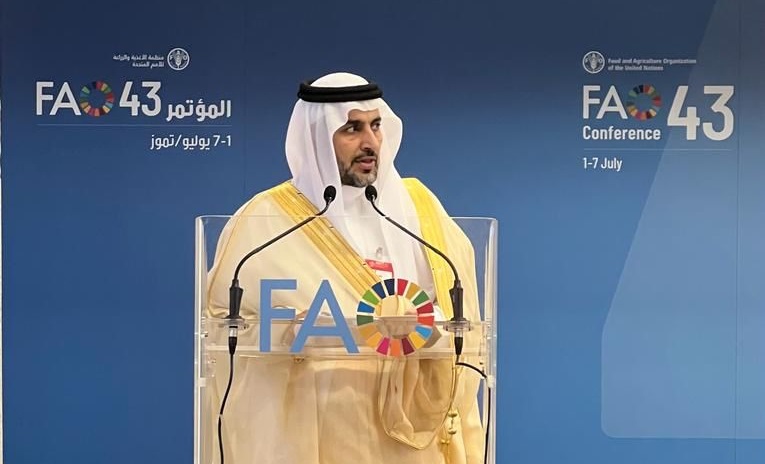
Saudi Arabia has announced a new roadmap aimed at adopting 350 innovative technologies in the fields of environment, water, and agriculture. This initiative is part of the kingdom's efforts to enhance sustainability and achieve food security, as the government seeks to improve the efficiency of natural resource use and develop new technologies to address environmental challenges.
The roadmap includes a range of projects and initiatives designed to improve water management, increase agricultural productivity, and reduce environmental impact. The kingdom also aims to achieve its goals under Vision 2030 by promoting innovation and technology in these vital sectors.
Event Details
The new roadmap encompasses multiple strategies, including the development of modern irrigation technologies, the use of treated water in agriculture, and the promotion of renewable energy in agricultural production processes. The kingdom will also encourage research and development in new areas such as vertical farming and hydroponics.
This step comes at a time when the kingdom faces significant challenges related to water scarcity and desertification, necessitating immediate and effective action. These new technologies are expected to enhance water use efficiency and reduce waste, thereby strengthening the kingdom's ability to tackle future challenges.
Background & Context
Saudi Arabia is one of the countries suffering from acute water resource scarcity, heavily relying on groundwater. With increasing water demand due to population growth and urban expansion, it has become essential to seek innovative solutions to ensure the sustainability of water resources.
In recent years, the Saudi government has launched several initiatives aimed at improving water and agricultural management, including the National Transformation Project, which focuses on enhancing food security and developing new agricultural technologies. The kingdom also aims to achieve the sustainable development goals set by the United Nations.
Impact & Consequences
This roadmap is expected to contribute to enhancing food security in the kingdom, thereby reducing reliance on food imports. It will also help improve the quality of life for citizens by providing clean water and sustainable agriculture.
Furthermore, the use of modern technologies in agriculture and water management will contribute to reducing environmental impact, reinforcing the kingdom's efforts to preserve the environment. This step may also open up new investment opportunities in the agricultural technology sector, boosting the national economy.
Regional Significance
This initiative serves as a model for the Arab region, where many countries face similar challenges related to water scarcity and food security. This step can inspire other nations to adopt innovative technologies in agriculture and water management, contributing to sustainable development in the region.
In light of climate change and increasing environmental challenges, it is crucial for Arab countries to adopt similar strategies to ensure the sustainability of natural resources and achieve food security.