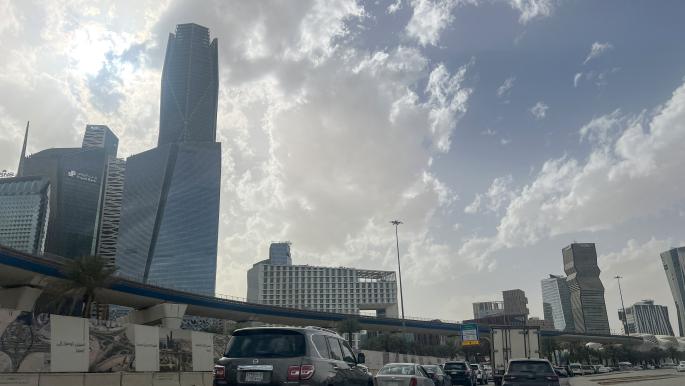
A recent economic survey revealed that Saudi Arabia's non-oil private sector activity contracted in March 2023 for the first time since August 2020, influenced by the regional war's repercussions. This contraction reflects negative impacts that could affect economic growth in the Kingdom, as the government strives to achieve the goals of Vision 2030.
Data indicates that the Purchasing Managers' Index (PMI), which measures private sector activity, fell to 49.8 in March, signaling a contraction in activity. This decline is an indicator of reduced market demand, which may negatively impact job opportunities and investment in the Kingdom.
Details of the Event
The figures show that the decline in economic activity comes at a sensitive time, as the region faces increasing tensions due to ongoing conflicts, particularly in Iran. These tensions contribute to market instability, affecting investor confidence and limiting growth in non-oil sectors.
The survey also indicated that companies in Saudi Arabia are facing significant challenges, with rising pressures on production costs leading to a decline in profit margins. Meanwhile, the government is seeking to boost growth through new investments in diverse fields, including tourism and technology.
Background & Context
Since 2016, Saudi Arabia has been implementing Vision 2030, aimed at reducing reliance on oil and diversifying the economy. However, regional tensions, including conflicts in Yemen and Syria, directly affect economic stability in the Kingdom.
Historically, Saudi Arabia has experienced periods of economic growth linked to oil prices, but with declining prices and increasing tensions, it has become essential to seek new sources of growth. The current contraction in the non-oil private sector may indicate an urgent need to reassess economic strategies.
Impact & Consequences
The contraction in the private sector could have widespread implications for the Saudi economy. It may lead to increased unemployment rates, as companies might have to reduce their workforce to cope with financial challenges. Additionally, this could affect foreign investments, as investors seek more stable environments.
Furthermore, the government may need to take urgent measures to bolster market confidence, such as providing incentives for companies or increasing public spending. These measures may be necessary to maintain growth momentum and achieve the goals of Vision 2030.
Regional Significance
The economic situation in Saudi Arabia serves as an important indicator of the health of the economy in the Arab region as a whole. Saudi Arabia is one of the largest economies in the region, and any decline in its economic activity could impact neighboring countries, especially those reliant on trade and investment with the Kingdom.
Moreover, economic crises in Saudi Arabia could increase pressures on other governments in the region, potentially exacerbating economic and social conditions. Therefore, monitoring developments in Saudi Arabia will be crucial for understanding economic trends in the region.
In conclusion, the contraction of the non-oil private sector in Saudi Arabia presents a significant challenge for the government and investors. As regional tensions continue, it will be essential to take effective steps to ensure economic stability and achieve sustainable development goals.