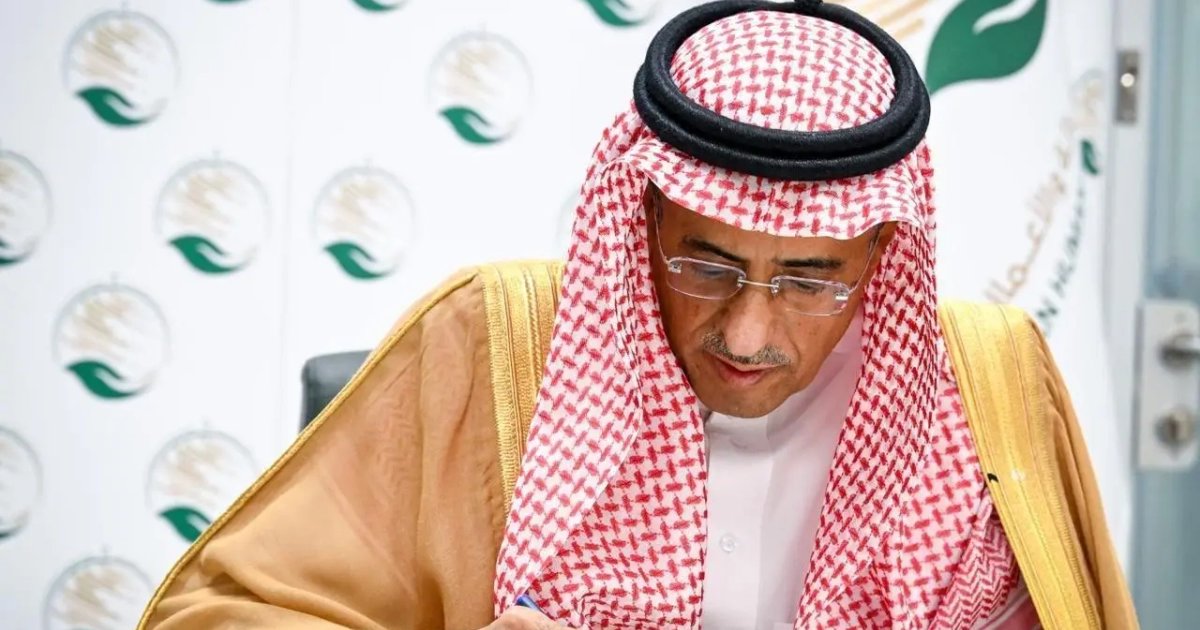
In a new humanitarian initiative, the King Salman Humanitarian Aid and Relief Center announced the signing of two agreements with civil society organizations aimed at implementing projects to rehabilitate schools and social facilities in the provinces of Idlib and Deir ez-Zor in Syria. These projects are part of the ongoing efforts by the Kingdom to support the Syrian people and alleviate their suffering during the ongoing crisis.
It is estimated that these projects will directly benefit around 4,990 individuals, while indirectly supporting 19,894 others. This initiative is part of a broader program to restore educational assets in Syria, where 48 schools are currently being rehabilitated, rebuilt, and provided with temporary classrooms across various Syrian provinces.
Event Details
The agreements were signed via video conferencing, representing a part of the humanitarian efforts provided by the Kingdom of Saudi Arabia through the King Salman Humanitarian Aid and Relief Center. These projects aim to improve the educational infrastructure in conflict-affected areas, contributing to providing a safe and sustainable learning environment for children and youth.
The projects include rehabilitating damaged schools, providing educational materials, and creating social facilities that support the local community. These efforts reflect Saudi Arabia's commitment to assisting the Syrian people in overcoming the challenges they face.
Background & Context
Syria has been in a state of ongoing conflict for more than a decade, leading to significant destruction of infrastructure, including schools and educational facilities. Many children and youth in Syria have lost educational opportunities due to the conflict, negatively impacting their future. These initiatives come at a critical time, as the international community seeks to provide the necessary support to rebuild what has been destroyed by war.
Historically, Saudi Arabia has been among the leading countries in providing humanitarian aid to Syria, offering financial and material assistance to millions of Syrians. These new projects reflect the continuation of this commitment and enhance the Kingdom's role in supporting stability in the region.
Impact & Consequences
These projects are expected to contribute to improving living and educational conditions in Idlib and Deir ez-Zor, potentially leading to greater stability in these areas. Education is a fundamental factor in rebuilding communities, and providing a safe educational environment can help foster hope among Syrian youth.
Additionally, these initiatives may encourage more countries and humanitarian organizations to provide the necessary support, thereby enhancing international efforts to rebuild Syria. Improving education can have positive long-term effects by reducing poverty rates and promoting sustainable development.
Regional Significance
This step is part of broader efforts by Arab countries to support the Syrian people. Amid the multiple crises facing the region, enhancing education and social infrastructure can contribute to achieving stability in neighboring countries. Furthermore, cooperation among Arab nations in humanitarian relief reflects the spirit of Arab solidarity.
In conclusion, these initiatives highlight the importance of collective action in addressing humanitarian crises and emphasize the need for ongoing support for the Syrian people in rebuilding their future.