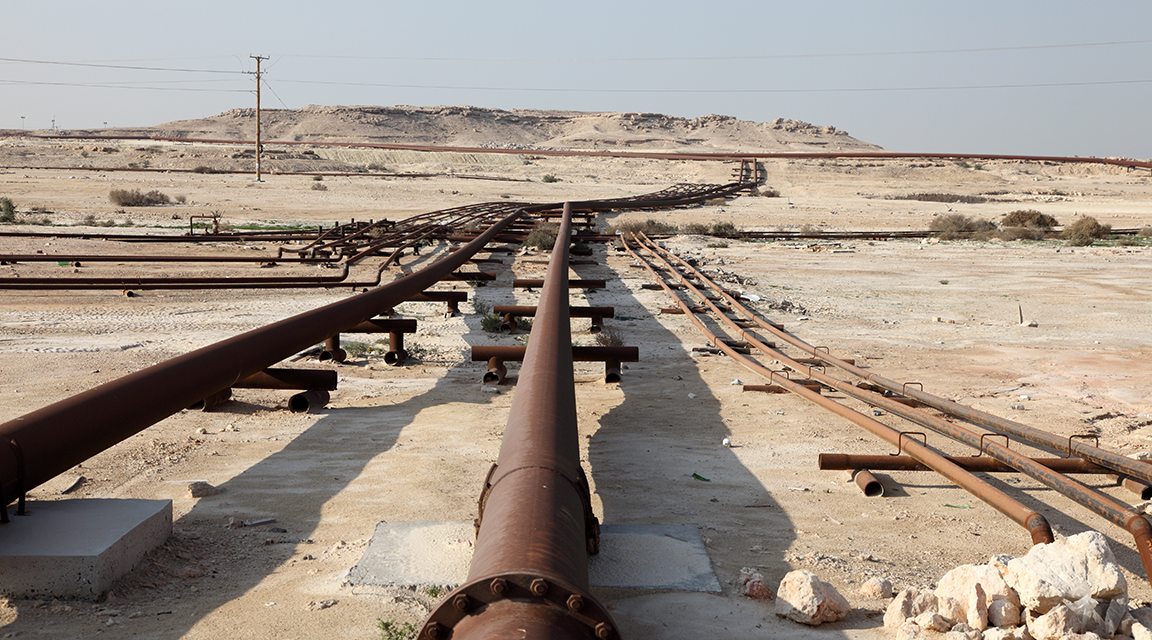
Recent reports indicate that the Kingdom of Saudi Arabia has started pumping 7 million barrels per day of oil through a new pipeline, thus bypassing the Strait of Hormuz. This decision comes in light of increasing tensions in the region, where the Strait of Hormuz is a vital point for oil transportation, accounting for approximately 20% of global oil supplies.
This move is part of Saudi Arabia's strategy to enhance its oil export capacity and reduce reliance on maritime routes that may face bottlenecks or threats. Experts have noted that this new pipeline represents a significant shift in the way Saudi oil is exported, reflecting the Kingdom's ability to adapt to geopolitical challenges.
Details of the New Pipeline
The new pipeline network extends across Saudi territory, allowing for the direct transport of massive quantities of oil to global markets without the need to pass through the Strait of Hormuz. This line has been designed to mitigate risks associated with maritime operations, especially amid rising tensions between Iran and the United States, which could impact shipping movements in the region.
This announcement comes at a time when the oil market is experiencing considerable volatility, with prices under pressure due to various factors, including increased production from other countries and changes in global demand. Nevertheless, Saudi Arabia's ability to pump such a large volume of oil strengthens its position as the world's largest oil exporter.
Background & Context
Historically, the Strait of Hormuz has represented a crucial point for oil transportation, having witnessed numerous political and military crises that affected shipping movements. In recent years, tensions in the region have escalated, prompting many countries to seek alternatives to secure their oil supplies. Saudi Arabia has taken several strategic steps to enhance its oil export capabilities, including developing new infrastructure.
This step is part of Saudi Vision 2030, which aims to diversify the economy and reduce reliance on oil. By improving its transportation network, Saudi Arabia hopes to increase its competitiveness in the global market.
Impact & Consequences
This decision could have significant implications for the global oil market. With increased supplies from Saudi Arabia, prices may be directly affected, potentially leading to fluctuations in financial markets. Additionally, bypassing the Strait of Hormuz could reduce risks associated with maritime operations, thereby enhancing market stability.
Furthermore, this decision may increase pressure on other oil-producing countries, particularly those that rely on the Strait of Hormuz for transporting their supplies. This could lead to changes in production and export strategies for these nations.
Regional Significance
For the Arab region, this development represents an opportunity to enhance cooperation among oil-producing countries. Nations such as Iraq and Kuwait may seek to strengthen their partnerships with Saudi Arabia to benefit from this new pipeline. Additionally, improving oil transportation infrastructure could contribute to economic stability in the region.
In conclusion, the pumping of 7 million barrels per day through a new pipeline is a strategic move for Saudi Arabia in facing geopolitical challenges. This step not only enhances the Kingdom's oil export capabilities but may also influence the dynamics of the global oil market.