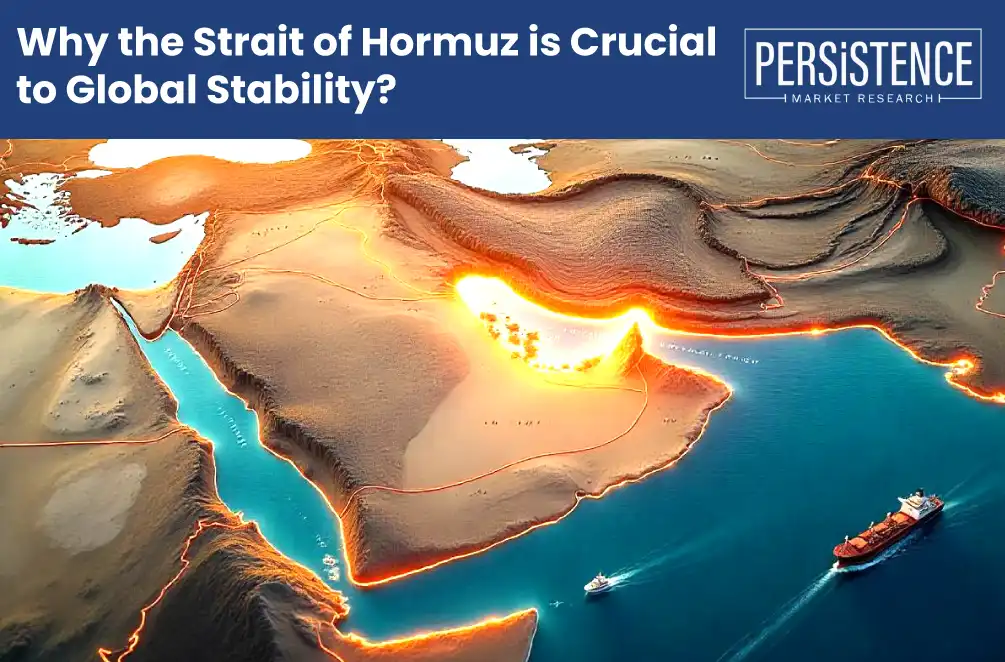
Saudi Arabia has firmly rejected the closure of the Hormuz Strait, emphasizing the importance of global market stability. This statement comes at a sensitive time marked by increasing tensions in the region, which affect global trade flows.
In official statements, the Saudi Ministry of Energy reported that the kingdom will continue to support the stability of oil markets, noting that the Hormuz Strait is a vital artery for the transport of oil and gas. It affirmed that any attempt to close it would have dire consequences for the global economy.
Details of the Event
Saudi Arabia is one of the largest oil producers in the world, with approximately 20% of the world's total oil passing through the Hormuz Strait. The strait has witnessed increasing tensions in recent years, particularly with the escalation of disputes between Iran and the United States, raising concerns about navigation security in the region.
In this context, Saudi Arabia has called on the international community to take effective steps to ensure freedom of navigation in the strait, stressing the necessity of cooperation among nations to ensure market stability. It also reaffirmed its commitment to enhancing oil production to meet global market needs.
Background & Context
Historically, the Hormuz Strait has been the scene of numerous political and military conflicts. The region has experienced many incidents that threatened navigation, impacting global oil prices. In recent years, tensions have significantly increased, especially following the United States' withdrawal from the nuclear agreement with Iran.
Saudi Arabia is a key ally of the United States in the region and has played an important role in stabilizing oil markets. However, the rising tensions may affect its economic and political strategies in the future.
Impact & Consequences
If tensions in the region continue, it could lead to a significant rise in oil prices, affecting the global economy. Additionally, closing the Hormuz Strait could cause disruptions in energy supplies, negatively impacting oil-importing countries.
Saudi Arabia aims to enhance market stability by increasing production and expanding partnerships with other countries. It is also working to diversify its economy away from oil, which may help it face any potential negative repercussions.
Regional Significance
The neighboring Arab countries, such as the UAE and Oman, could be significantly affected if any disruptions occur in the Hormuz Strait. These countries' economies heavily rely on oil exports, and any closure of the strait could lead to severe economic repercussions.
Moreover, the stability of the region depends on cooperation among Arab nations to address common challenges. Thus, Saudi Arabia's statements come as part of its efforts to enhance security and stability in the region.
In conclusion, Saudi Arabia remains committed to supporting global market stability and emphasizes the importance of freedom of navigation in the Hormuz Strait as a fundamental part of the global economy. The ongoing tensions in the region require all parties to work together to ensure security and stability.