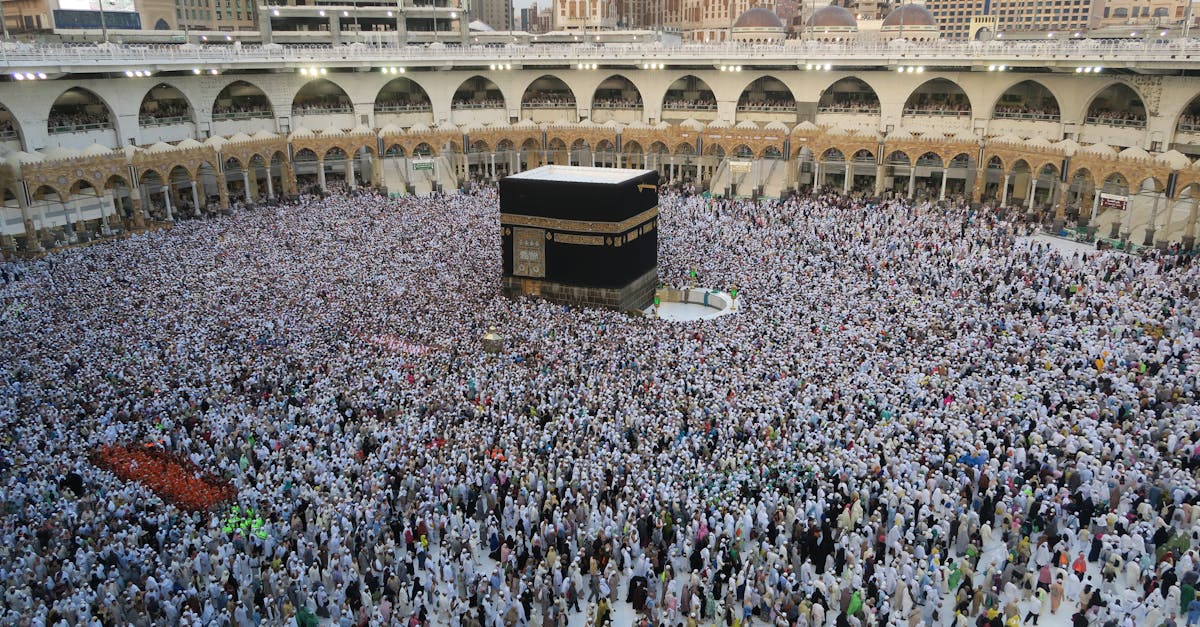
The Saudi Ministry of Interior has announced the implementation of an advanced crowd management system for Hajj using artificial intelligence technologies, reflecting the Kingdom's commitment to enhancing the safety of pilgrims and providing them with a comfortable experience. This announcement is part of ongoing efforts to improve services offered during the Hajj season, which attracts millions of Muslims from around the globe.
The Kingdom aims to leverage modern technology in crowd organization, where data is analyzed in real-time to guide pilgrims and avoid congestion. This new system relies on advanced technologies, including artificial intelligence and big data analytics, which contribute to making quick and effective decisions.
Details of the System
The new system includes a range of technological tools that monitor crowd movement and direct it safely. Smart cameras and sensors are used to track human density in various locations, helping to identify the most crowded areas and guide pilgrims to alternative routes.
Additionally, pilgrims are provided with real-time information through smartphone applications, making it easier for them to reach their desired locations without hassle. This innovation is a significant step towards improving the Hajj experience, as it helps reduce congestion and enhances the safety of pilgrims.
Background & Context
Historically, the Hajj season has faced significant challenges related to crowd management, especially with the increasing number of pilgrims in recent years. Saudi Arabia, which hosts Hajj annually, is working on developing new strategies to address these challenges, with crowd management being one of the top priorities.
In past years, the Kingdom has utilized various technologies to improve crowd management, but with the rapid advancement in technology, it has become essential to adopt more innovative solutions. The use of artificial intelligence is a progressive step in this direction, providing effective tools for data analysis and decision-making.
Impact & Consequences
The implementation of this smart system could fundamentally change the way crowds are managed during Hajj. It is expected to contribute to reducing accidents and injuries resulting from congestion, thereby enhancing the Kingdom's reputation for providing high-quality services to pilgrims.
This step may also inspire other countries seeking to improve the management of large events, as Saudi Arabia's experience could serve as a model for utilizing modern technology in crowd organization.
Regional Significance
Saudi Arabia's experience in managing Hajj crowds is a model for the Arab region, where other countries can benefit from these innovations in organizing their major events. Furthermore, the success of this system could enhance the Kingdom's status as a leading destination in religious tourism.
Ultimately, the use of artificial intelligence in managing Hajj crowds is an important step towards achieving the Kingdom's Vision 2030, which aims to improve the quality of life and promote innovation across all sectors.