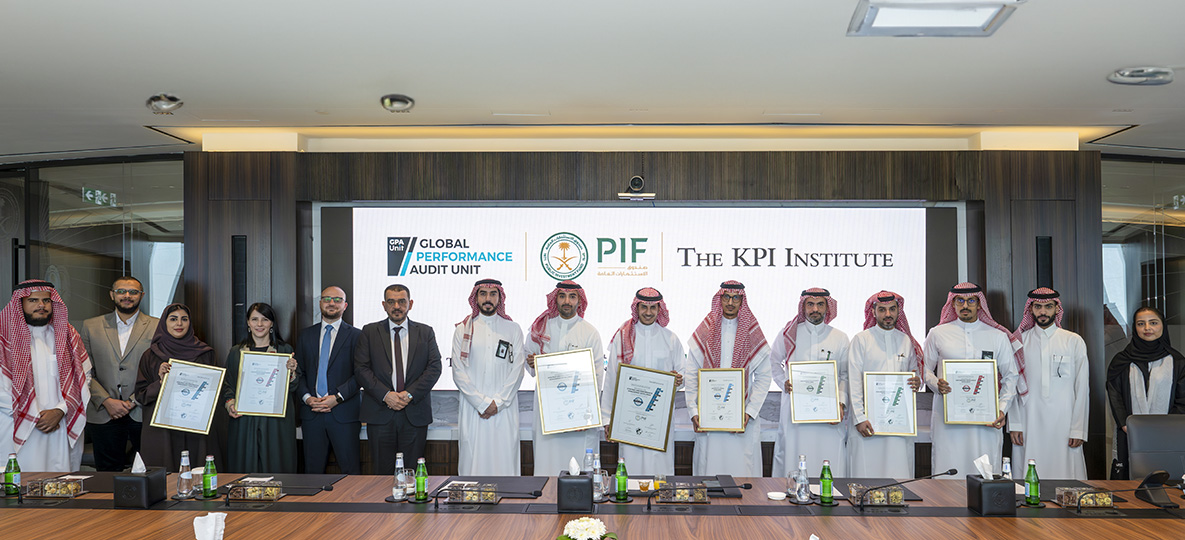
Saudi Arabia has announced a decisive shift in its investment strategy aimed at enhancing economic diversification and reducing dependence on oil. This transformation aligns with Vision 2030, which seeks to achieve sustainable development and strengthen the role of the private sector in the national economy.
The Saudi government aims to attract more foreign and domestic investments by improving the business environment and offering new incentives for investors. This includes developing infrastructure and promoting innovation across various sectors, including technology, renewable energy, and tourism.
Event Details
In a press conference, the Saudi Minister of Investment confirmed that the Kingdom aims to attract investments worth up to $500 billion over the next five years. He noted that this shift comes at a time when the global economy is undergoing significant changes, requiring Saudi Arabia to take bold steps to ensure sustainable growth.
Several major projects have also been announced that will contribute to achieving this goal, including the development of special economic zones and projects in the renewable energy sector. These projects aim to create new job opportunities and enhance innovation in the Saudi market.
Background & Context
Historically, the Saudi economy has heavily relied on oil revenues, making it vulnerable to fluctuations in global oil prices. With the decline in oil prices in recent years, the government recognized the urgent need to diversify income sources. Therefore, Vision 2030 was launched in 2016, aiming to restructure the Saudi economy.
Vision 2030 includes several pillars, such as enhancing the private sector, developing tourism, and increasing foreign investments. The Kingdom has already seen some progress in these areas, but the new investment shift represents an additional step towards achieving the ambitious goals of the vision.
Impact & Consequences
This transformation is expected to have a significant impact on the Saudi economy, contributing to the creation of new job opportunities and enhancing innovation. It will also help attract more foreign investments, thereby strengthening the Kingdom's position as a regional economic hub.
Moreover, this shift may contribute to improving economic relations with other countries, as Saudi Arabia seeks to enhance economic cooperation with its international partners. This could open new avenues for trade and investment in the region.
Regional Significance
The Saudi investment shift serves as a model for other Arab countries seeking to achieve sustainable development. This step can inspire neighboring countries to adopt similar strategies aimed at reducing dependence on oil and enhancing economic diversification.
Additionally, Saudi Arabia's success in attracting investments could contribute to strengthening economic stability in the region, benefiting all Arab countries. Amid global economic challenges, this transformation is a crucial step towards achieving sustainable development in the region.
In conclusion, the Saudi investment shift represents a strategic move towards achieving the ambitious economic goals set by the Kingdom. By enhancing economic diversification and attracting investments, Saudi Arabia aims to build a more sustainable and prosperous future.