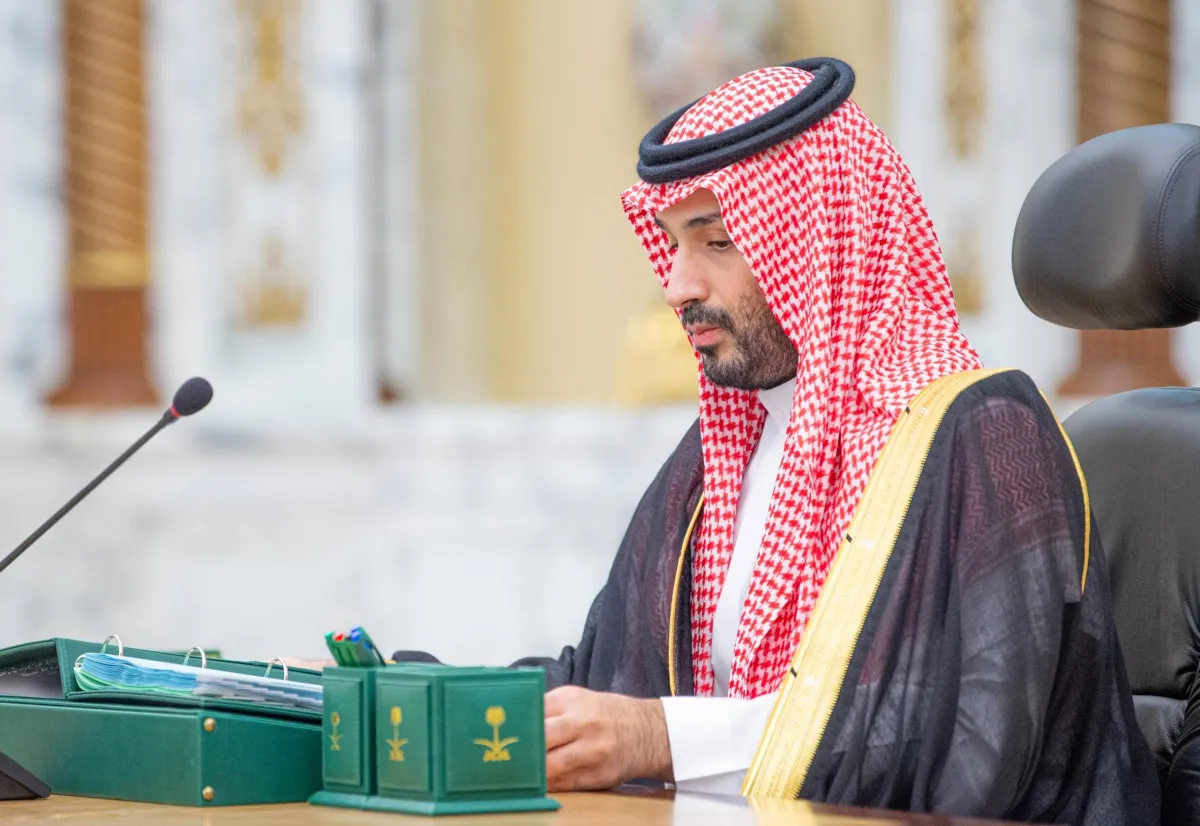
The Saudi Cabinet renewed the Kingdom's steadfast positions and continuous support for all diplomatic efforts aimed at establishing the foundations of global peace and stability during its session held on Tuesday in Jeddah. This came as part of the council's follow-up on regional and international developments, particularly the security and economic situations in the region.
At the beginning of the session, Crown Prince Mohammed bin Salman bin Abdulaziz briefed the council on the contents of a message received by King Salman bin Abdulaziz from Djibouti President Ismail Omar Guelleh, concerning the bilateral relations between the two countries. The Crown Prince also mentioned his consultations with several regional and international leaders, reflecting the Kingdom's keenness to enhance communication and cooperation with various nations.
Details of the Meeting
The Crown Prince informed the council about his discussions with leaders from countries such as Syria, Lebanon, Switzerland, Ukraine, Japan, the Czech Republic, and Bangladesh. He expressed his gratitude to the leaders of the Gulf Cooperation Council (GCC) for their efforts during the consultative Gulf summit hosted by the Kingdom, aimed at enhancing coordination and joint action to achieve the region's security and stability.
The council also discussed reports related to local affairs, highlighting the multiple achievements made under the Kingdom's Vision 2030. Indicators showed that the Kingdom achieved **93%** of its annual targets, reflecting the success of the structural and economic reforms implemented.
Context and Background
These efforts come amid increasing regional challenges, as the Kingdom seeks to enhance its role as an influential power in achieving peace and stability. The region has witnessed rising tensions due to political and security crises, necessitating intensified diplomatic efforts.
The importance of the consultative Gulf summit held in Jeddah is also highlighted, as it addressed regional developments, including threats to navigation in the Strait of Hormuz and their impacts on global supply chains. The official spokesperson for the Qatari Ministry of Foreign Affairs emphasized the significance of this summit in enhancing coordination among GCC countries.
Impact and Consequences
Analyses predict that these efforts will contribute to strengthening regional security and alleviating tensions. Observers noted that the Kingdom's hosting of the Gulf summit reflects its commitment to enhancing cooperation among GCC states, contributing to the region's stability.
Additionally, these efforts come at a sensitive time, as GCC countries continue to bolster their defensive and economic capabilities to face increasing challenges. The GCC states have demonstrated a high capacity to respond to missile attacks, reflecting the strength of their defense systems.
Significance for the Arab Region
These developments underscore the importance of Gulf coordination in addressing regional challenges. The Kingdom's support for diplomatic efforts contributes to enhancing stability in the region, benefiting all Arab countries.
In conclusion, the Kingdom of Saudi Arabia remains committed to supporting peace and stability, emphasizing the importance of international cooperation in facing common challenges.