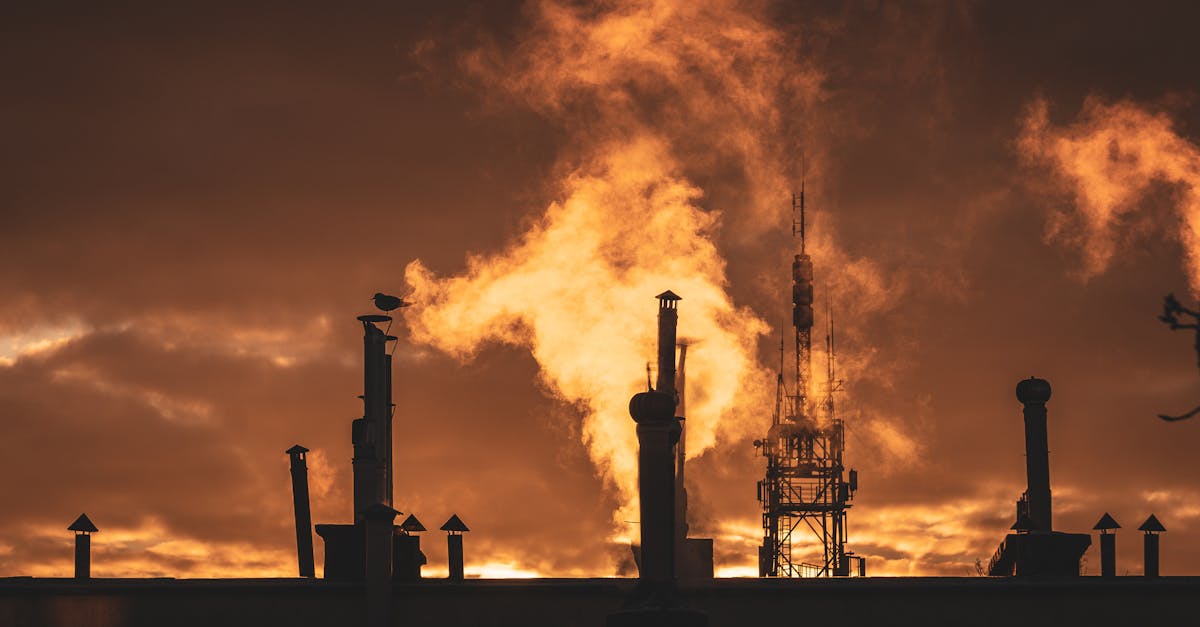
One of the largest petrochemical facilities in Saudi Arabia has announced a halt in production, amid the ongoing conflict in the Middle East that is significantly affecting supply chains and energy operations in the region. This decision comes at a sensitive time as many countries are seeking stability in energy markets amidst rising tensions.
This facility is among the largest in the world and has played a vital role in meeting local and international market demands for petrochemical products. The conflict has led to disruptions in daily operations, prompting management to take the precautionary step of shutting down.
Details of the Event
The production halt at the plant occurs at a time when the global market is experiencing significant fluctuations in energy prices, which have risen sharply due to political friction and armed conflicts in the region. These conditions have made it difficult to obtain the necessary raw materials for production, affecting the plant's ability to continue operations.
It is noteworthy that the plant heavily relied on supplies from conflict-affected areas, complicating the situation further. Informed sources have confirmed that the closure may last for an indefinite period, raising concerns about its impact on the Saudi economy and global markets.
Background & Context
Historically, Saudi Arabia has been one of the largest producers of oil and petrochemicals in the world. This industry has significantly contributed to the country's economic growth. However, regional conflicts, such as the Israeli-Palestinian conflict and the war in Yemen, have negatively impacted stability in the region.
In recent years, energy markets have seen significant volatility due to political tensions, leading to increased concerns about the sustainability of supplies. These factors have prompted many major companies in the sector to reassess their production and distribution strategies.
Impact & Consequences
This closure is expected to have widespread effects on the petrochemical market, potentially leading to shortages of essential products and rising prices. Additionally, this situation may negatively impact companies that rely on these products for their operations.
Furthermore, this closure could result in the loss of numerous jobs at the plant and associated companies, increasing economic pressures on the local community. Under the current circumstances, the Saudi government may need to take urgent measures to support the local economy.
Regional Significance
These events are indicative of the ongoing challenges faced by the Arab region amid persistent conflicts. Any disruption in the energy sector in Saudi Arabia, one of the world's largest exporters, can affect global energy prices and increase pressures on other countries that depend on imports.
Ultimately, the current situation requires Arab countries to work together to enhance stability in the region and achieve sustainable development. Regional cooperation in energy and economic sectors can help mitigate the negative impacts of conflicts.