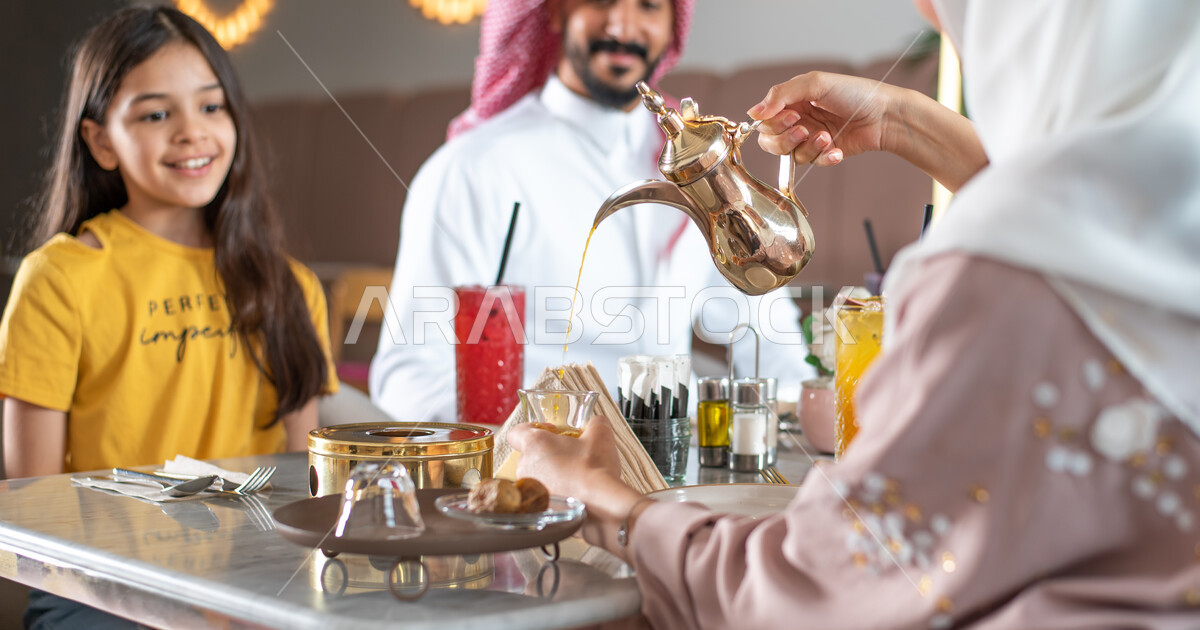
A recent report reveals that Saudis are spending more than 220 million riyals daily in cafes and restaurants, reflecting a growing social lifestyle in the kingdom. These figures also indicate a recovery in the hospitality sector.
These expenditures are part of a broader trend towards enhancing food and social culture, as many Saudis prefer to spend their time in public places. This phenomenon contributes to supporting the local economy and enhancing job opportunities in this vital sector.
Details of the Spending Trend
According to reports, the number of cafes and restaurants has significantly increased in recent years, leading to heightened competition among these establishments. This trend shows that Saudis have become more open to new experiences, whether in terms of food or social atmospheres.
Statistics indicate that a large portion of these expenditures goes to cafes, where young people prefer to spend their time. Additionally, families have increasingly opted to dine out, which boosts the demand for restaurant services.
Background & Context
These figures come at a time when Saudi Arabia is witnessing significant economic and social transformations, aligned with Vision 2030, which aims to diversify income sources and enhance tourism and hospitality. The Saudi government is working to improve the business environment to attract investments in this sector.
Cultural and social changes within Saudi society play a significant role in increasing these expenditures. Saudi youth have become more open to other cultures, which increases their desire to try new foods and beverages.
Impact & Consequences
These expenditures directly impact the local economy, contributing to the creation of new job opportunities and fostering growth in the hospitality sector. Furthermore, the increase in spending also reflects an improvement in the standard of living in the kingdom.
On the other hand, this phenomenon may lead to increased pressure on local resources, necessitating the establishment of sustainable strategies to ensure market balance. The government and investors must work together to ensure the sustainability of this growth.
Regional Significance
Saudi Arabia is considered one of the largest markets in the region, and the increase in spending in the hospitality sector could have a positive impact on neighboring countries. This phenomenon could encourage regional tourism and enhance cultural exchange among Arab countries.
Moreover, the kingdom's success in promoting the hospitality sector could serve as a model for other Arab nations seeking to develop their local economies.
In light of these figures, it is evident that Saudis are significantly contributing to the enhancement of the hospitality sector, reflecting the social and economic changes in the kingdom. This trend may open new horizons for growth and investment in the future.