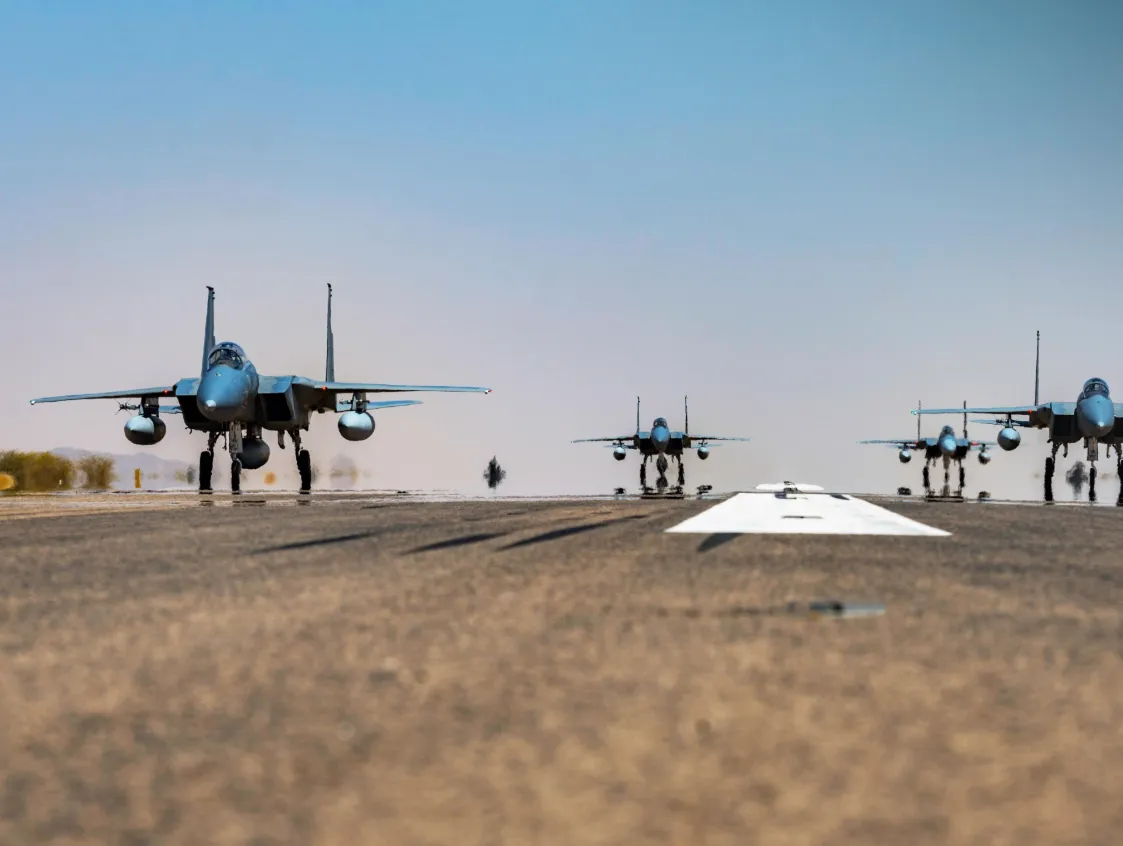
On Tuesday, Saudi air defenses successfully intercepted a missile and drone attack aimed at the Eastern Province, managing to destroy 11 ballistic missiles and 22 drones, according to statements from Major General Turki Al-Maliki, spokesperson for the Ministry of Defense. Fragments of the missiles fell near energy facilities, raising concerns about potential damage.
In a related context, the Saudi Civil Defense issued warning alerts in the Eastern Province and the Northern Borders, urging citizens to adhere to safety instructions and avoid approaching danger zones. Meanwhile, the Kuwaiti armed forces reported tracking 17 drones over the past hours, while Bahrain confirmed the destruction of 188 missiles and 477 drones since the onset of Iranian aggression.
Details of the Incident
Major General Al-Maliki reported that Saudi air defenses intercepted 11 ballistic missiles, with debris falling near energy facilities. Additionally, 22 drones were destroyed during the attack. He noted that efforts are underway to assess the damage caused by this assault.
For its part, the Bahrain Defense Force Command confirmed that its air defense systems intercepted and destroyed 188 missiles and 477 drones, emphasizing that these attacks represent a blatant violation of international law. They also called for citizens to exercise caution and vigilance.
Background & Context
These developments come at a time when the Gulf region is witnessing a notable escalation in Iranian attacks, with countries in the area facing increasing pressures. The UAE issued a statement confirming the destruction of a ballistic missile and 11 drones, noting that UAE air defenses have intercepted over 520 ballistic missiles since the beginning of the assaults.
At the same time, Qatar expressed its condemnation of the targeting of infrastructure and energy sources, stressing the importance of Gulf nations' participation in any future agreements to ensure regional security. Oman also called for sustainable solutions to achieve stability in the region.
Impact & Consequences
These events indicate a rise in tensions in the region, which could negatively affect regional security and stability. The recent escalation reflects the urgent need to enhance coordination among Gulf countries to address increasing security challenges.
Moreover, these attacks may impact trade and tourism in the region, necessitating immediate measures to ensure the safety of citizens and residents. The Secretary-General of the Gulf Cooperation Council noted that the current challenges represent a real test of the countries' ability to protect their gains.
Regional Significance
These developments highlight the importance of strengthening regional cooperation to confront security threats. There may be a need for new strategies to ensure stability in the region, especially amid ongoing Iranian escalation.
In conclusion, the situation in the Gulf remains under close observation, with increasing calls for de-escalation and cooperation among Arab nations to ensure security and stability in the region.