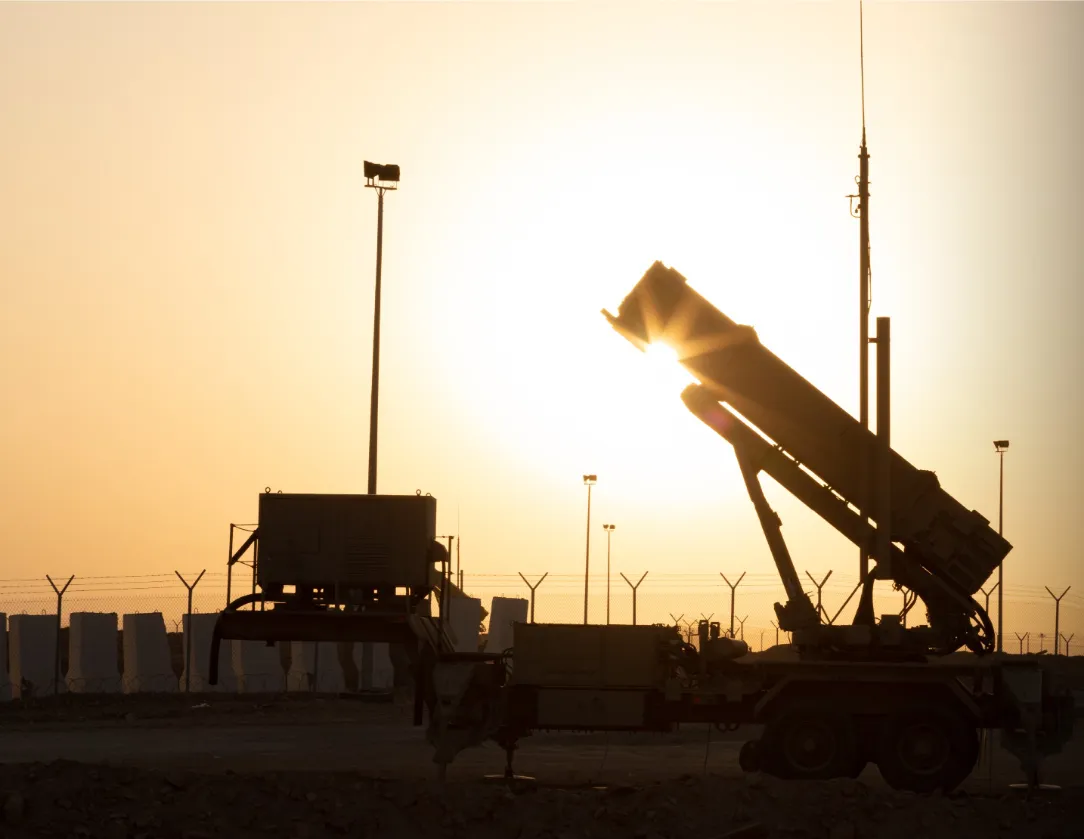
The Saudi Ministry of Defense, through its official spokesperson, Major General Turki Al-Maliki, announced that the armed forces successfully intercepted and destroyed four drones in the past few hours. Al-Maliki confirmed that the operations were conducted successfully without any reported damages, reflecting the forces' readiness to deal with various aerial threats.
In two separate statements, Al-Maliki clarified that the Saudi Air Force managed to thwart these drones, demonstrating the kingdom's ability to protect its airspace and confront the increasing threats in the region.
Details of the Incident
These operations come at a sensitive time when the region is witnessing escalating tensions, coinciding with a joint ministerial meeting between Gulf countries, Jordan, and China via video conference. The meeting aims to discuss the repercussions of Iranian attacks on vital facilities in Gulf states, which are considered a blatant violation of international laws.
Al-Maliki also pointed out that the meeting will address the developments of the serious escalation in the region and the efforts being made to maintain security and peace amid the increasing threats from Iran.
Background & Context
Since February 28, Iranian attacks on Gulf states have intensified, with over 6,000 recorded attacks involving ballistic missiles and drones. These assaults have been met with widespread international condemnation, with the United Nations Security Council adopting a resolution that denounces these attacks and affirms the right of affected countries to defend themselves.
The resolution also emphasized the necessity for Iran to cease all its attacks, reflecting international concern over the escalating tensions in the region. Reports have indicated that Iranian attacks have targeted vital and civilian facilities, threatening regional stability.
Impact & Consequences
These events highlight the importance of cooperation among Gulf states to confront common threats. The upcoming ministerial meeting with the Chinese side is part of efforts to enhance relations and security coordination among the concerned countries, especially in light of the ongoing Iranian threats.
Moreover, the military escalation in the region raises concerns about regional security and directly impacts the economy and political stability in Gulf states. Increased pressure on Iran from the international community is anticipated, which may lead to changes in Iran's strategy in the region.
Regional Significance
The Arab region is significantly affected by these developments, as any escalation in tensions could lead to negative repercussions on security and stability. Cooperation among Gulf states, Jordan, and China could contribute to strengthening regional security and providing a stable environment for citizens and residents.
In conclusion, attention remains focused on upcoming developments, as any escalation could impact relationships between countries and heighten tensions in the region.