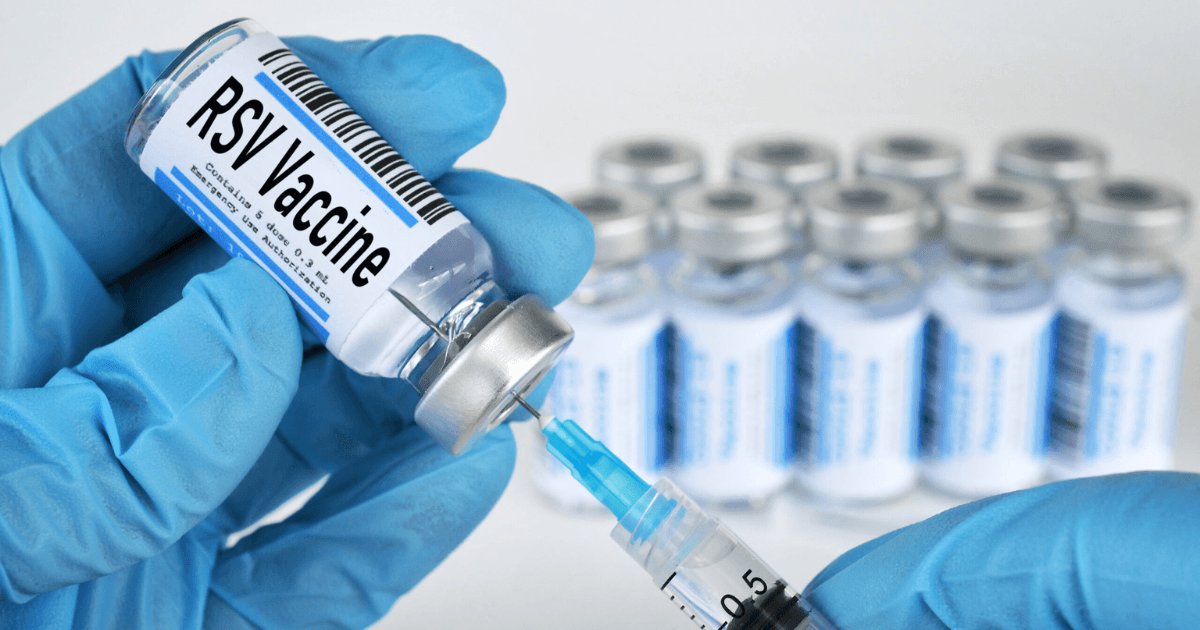
The Saudi Health Council has announced the identification of specific conditions that prevent individuals from receiving the viral triple vaccine, in a move aimed at enhancing public health. These conditions include certain diseases and specific health issues, contributing to community awareness regarding the importance of vaccines and the necessity of consulting doctors before making a decision.
The viral triple vaccine is considered one of the essential vaccines administered to children, protecting against three serious diseases: measles, mumps, and rubella. However, some individuals may be at health risks if they receive this vaccine, necessitating precise identification of exemption cases.
Details of the Announcement
The Saudi Health Council clarified that the exemption cases include individuals who suffer from severe allergies to vaccine components, as well as those with a medical history that includes autoimmune diseases or other health conditions that may conflict with receiving the vaccine. It also emphasized the importance of consulting specialized doctors to assess each individual's health status before making a vaccination decision.
This step comes as part of Saudi Arabia's efforts to enhance public health and disease prevention. The government aims to achieve a high vaccination coverage rate among the population, especially in light of global health challenges.
Background & Context
Historically, Saudi Arabia has witnessed extensive vaccination campaigns aimed at eradicating infectious diseases. These campaigns have proven effective in reducing disease spread, making vaccines an essential part of healthcare in the country.
In recent years, awareness regarding the importance of vaccines has increased, especially with the spread of health information through social media. However, there are still some concerns and misconceptions about vaccines, necessitating clarification of information and presentation of scientific facts to the public.
Impact & Consequences
Defining the conditions for exemption from the viral triple vaccine may positively impact public health, as it helps reduce potential health risks. It also enhances community trust in the healthcare system, as individuals feel that their health and safety are being prioritized.
This step is expected to contribute to an increase in vaccination rates among target groups, thereby strengthening community immunity and reducing disease spread. Furthermore, these measures reflect the Kingdom's commitment to achieving sustainable development goals in health.
Regional Significance
Saudi Arabia's vaccination experience serves as a model for other countries in the Arab region. Other nations can benefit from this experience to develop their own public health strategies.
In light of the health challenges faced by many Arab countries, enhancing vaccination programs and defining exemption cases can contribute to improving public health and reducing the spread of infectious diseases.
In conclusion, defining the conditions for exemption from the viral triple vaccine represents an important step towards enhancing public health in the Kingdom, reflecting the government's commitment to achieving the highest healthcare standards.