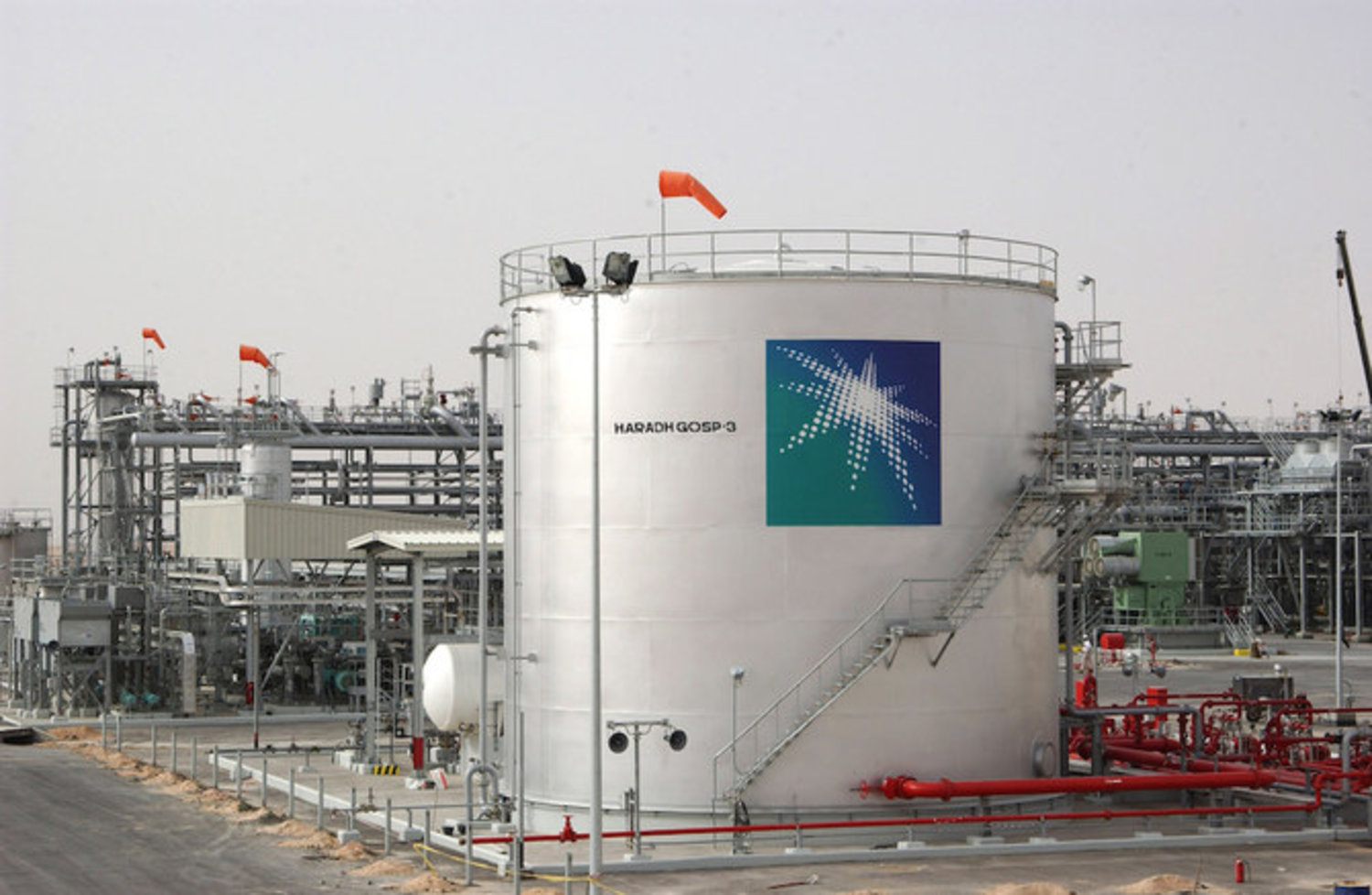
The Saudi Ministry of Energy announced that the 'East-West' oil pipeline has reached its maximum capacity following the closure of the Strait of Hormuz, which is one of the most important maritime routes for oil transport in the world. This development comes at a sensitive time marked by significant fluctuations in the global market.
The 'East-West' oil pipeline is considered one of the strategic projects that represent a lifeline for the Saudi economy, extending from the Eastern Province to the western coast of the Kingdom, allowing it to export oil to global markets without the need to cross the Strait of Hormuz. This achievement reflects the Kingdom's ability to adapt to the geopolitical challenges facing the region.
Event Details
The closure of the Strait of Hormuz was due to increasing tensions in the region, which affected maritime navigation and raised concerns about the security of oil supplies. This closure has increased pressure on the Kingdom to expand its production capabilities, which has been achieved by raising the capacity of the 'East-West' pipeline to its maximum.
The Kingdom can now export up to 6.5 million barrels per day through this pipeline, enhancing its position in the global market. This decision comes at a time when the need to secure energy supplies is increasing amid recurring crises in the region.
Background & Context
The Strait of Hormuz is one of the most important maritime routes in the world, through which approximately 20% of the total global oil supplies pass. The region has witnessed increasing tensions in recent years, especially with the escalation of conflicts between Iran and the United States, which has heightened the importance of developing alternative transport lines.
Historically, the Kingdom has heavily relied on the Strait of Hormuz for transporting its oil, but with the rising threats, it began to seek alternatives, leading to the establishment of the 'East-West' pipeline, which is a strategic step towards enhancing energy security.
Impact & Consequences
This achievement is a significant step in enhancing the Kingdom's ability to face geopolitical challenges. It also reflects Saudi Arabia's commitment to securing global oil supplies under changing conditions. This development is expected to stabilize oil prices in global markets, as the Kingdom will be able to maintain production levels despite tensions.
Moreover, increasing the capacity of the 'East-West' pipeline may contribute to reducing reliance on the Strait of Hormuz, thereby enhancing the Kingdom's ability to control its oil supplies and mitigating risks associated with the closure of maritime routes.
Regional Significance
This development holds great importance for oil-producing Arab countries, as it enhances market stability and reduces risks associated with regional conflicts. It also opens the door for other countries to develop similar projects to enhance their supply security.
Amid increasing tensions in the region, the Kingdom's ability to export oil through the 'East-West' pipeline may strengthen its role as a key player in the global energy market, potentially impacting economic and political relations in the region.
In conclusion, the success of the 'East-West' oil pipeline represents a strategic step towards enhancing energy security in the Kingdom and reflects Saudi Arabia's ability to adapt to increasing geopolitical challenges.