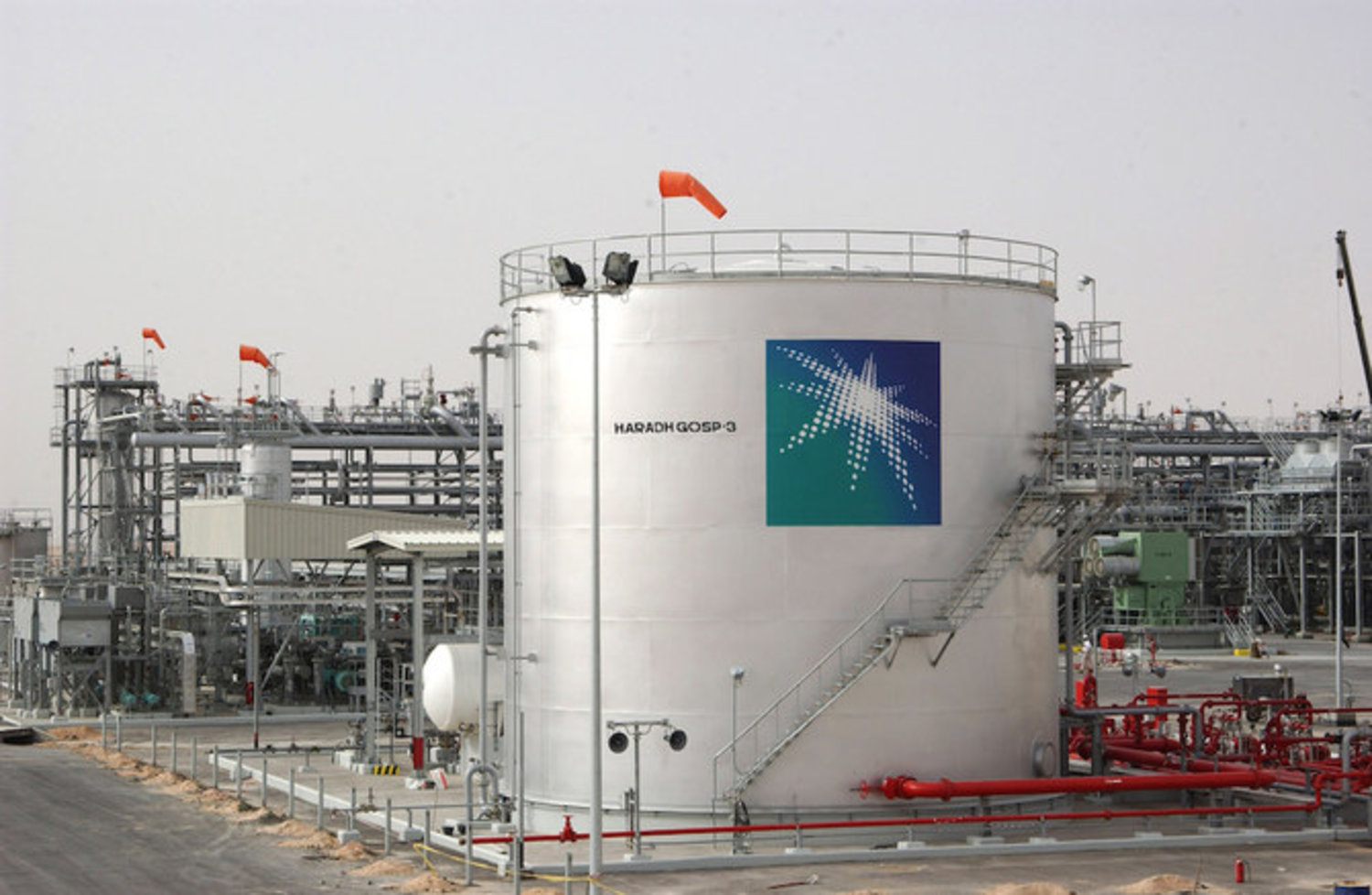
Saudi authorities announced that the strategic oil pipeline known as 'East-West' has reached its maximum capacity, enabling it to transport 7 million barrels per day. This announcement is part of the Kingdom's efforts to enhance its oil export capacity and achieve its economic goals.
The 'East-West' pipeline is one of the vital projects in the Saudi energy sector, facilitating the transportation of oil from production fields in the Eastern Province to export ports on the western coast. This project reflects the Kingdom's commitment to enhancing its oil infrastructure and meeting the growing global demand for energy.
Details of the Event
The 'East-West' pipeline was commissioned in 2014 and is considered one of the largest pipelines in the world. It extends over 1,200 kilometers and allows the Kingdom to export oil to global markets more efficiently. With the pipeline reaching its maximum capacity, it is expected to contribute to an increase in the Kingdom's oil export revenues, which are the primary source of government income.
This move comes at a time when the global oil market is experiencing significant fluctuations, making it essential for Saudi Arabia to enhance its production capacity. Officials from the Saudi Ministry of Energy indicated that this achievement will enable the Kingdom to meet the increasing demand for oil, especially from Asian countries, which are among the largest oil consumers in the world.
Background & Context
Historically, Saudi Arabia has heavily relied on oil revenues, which account for more than 90% of the country's total revenues. In recent years, the Kingdom has implemented Vision 2030, aimed at diversifying the economy and reducing dependence on oil. Nevertheless, oil remains a crucial element of the Saudi economy, making the enhancement of oil infrastructure vital.
Projects like the 'East-West' pipeline are part of the Kingdom's strategy to expand its production capacity and improve transportation efficiency. The Kingdom has seen massive investments in this sector, reflecting its commitment to strengthening its position as the world's largest oil exporter.
Impact & Consequences
This achievement is expected to have a significant impact on the global oil market. With increased production capacity, Saudi Arabia can meet the growing demand from consuming countries, which may lead to stabilization of oil prices in global markets. Additionally, enhancing export capacity will help the Kingdom face economic challenges that may arise from market fluctuations.
Furthermore, increasing oil exports will bolster Saudi Arabia's position in international forums, allowing it to play a larger role in determining global oil prices. This could contribute to enhancing Saudi influence within OPEC and in economic relations with other countries.
Regional Significance
As the largest economy in the Arab region, any development in the Saudi oil sector directly affects neighboring countries. Increasing oil exports could enhance economic stability in the region, as many Arab nations rely on oil revenues.
Moreover, strengthening Saudi production capacity may improve economic relations with other Arab countries, potentially leading to further cooperation in energy and trade sectors. Amid global economic challenges, cooperation among Arab nations remains essential for achieving sustainable development.
In conclusion, the achievement of the 'East-West' pipeline represents an important step towards enhancing Saudi Arabia's oil export capabilities and reflects the Kingdom's commitment to strengthening its oil infrastructure. As challenges in the global market continue, it remains crucial for Saudi Arabia to develop strategies to ensure the sustainability of its oil revenues.