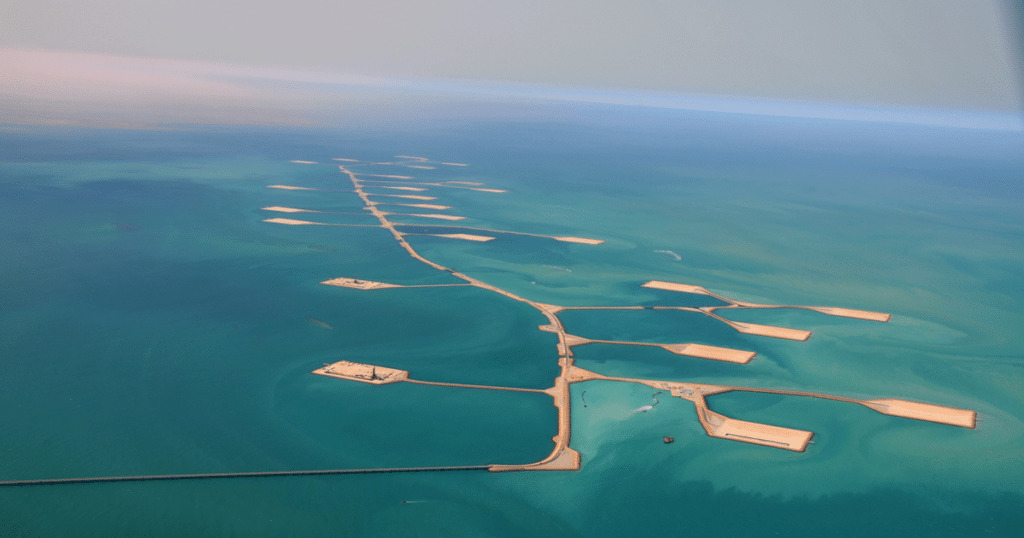
Saudi oil sales to its largest Asian importers, namely China and India, are projected to decrease next month due to the ongoing disruptions caused by conflicts in the Middle East. The war in the region is negatively affecting energy supplies from the Kingdom of Saudi Arabia, which is considered one of the largest oil-exporting countries in the world.
Forecasts indicate that the quantities of oil exported to these two countries will fall below usual levels, raising significant concerns in global markets. This decline is a direct result of the geopolitical tensions plaguing the region, which have increased the risks associated with energy supplies.
Details of the Situation
As Saudi Arabia strives to maintain its market share in Asia, it faces substantial challenges due to the political and military crises in the region. Reports suggest that the demand for Saudi oil in Asian markets may be significantly affected, potentially leading to price increases for consumers in those countries.
China and India are among the largest oil importers globally, and any decline in supplies from Saudi Arabia could adversely impact their economies. Additionally, these developments may lead to a reassessment of energy strategies in these countries, placing Saudi Arabia in a sensitive position.
Background & Context
Historically, Saudi Arabia has been a cornerstone in the global oil market, with many countries relying on its supplies to ensure stability in energy markets. However, the escalating tensions in the Middle East, including armed conflicts and political crises, have affected the Kingdom's ability to meet its clients' needs in a timely manner.
In recent years, the region has witnessed numerous crises, ranging from the conflict in Syria to tensions between Iran and the United States. These crises have led to increased instability in oil markets, prompting importing countries to diversify their supply sources.
Impact & Consequences
The decline in Saudi oil sales is expected to have widespread implications for the global economy. With rising demand for oil in Asia, a shortage of supplies could lead to price hikes, which may affect economic growth in importing countries. Furthermore, this situation could contribute to heightened tensions between oil-producing and oil-consuming nations.
Moreover, this decline in supplies may exacerbate economic crises in countries that heavily rely on Saudi oil, forcing them to seek alternative sources, either through increased domestic production or by importing oil from other nations.
Regional Significance
These developments are particularly significant for the Arab region, where many countries depend on oil revenues as a primary source of income. Any decline in Saudi oil exports could impact the stability of Arab economies, especially those already grappling with economic crises.
Additionally, these circumstances may lead to increased cooperation among Arab countries in the energy sector, as other producing nations may seek to compensate for the shortfall in Saudi supplies. This cooperation could have a positive effect on the stability of oil markets in the region.
In light of these changing circumstances, it is crucial for Arab nations to monitor global oil market developments and work on strategies that ensure their economic stability in the face of increasing challenges.