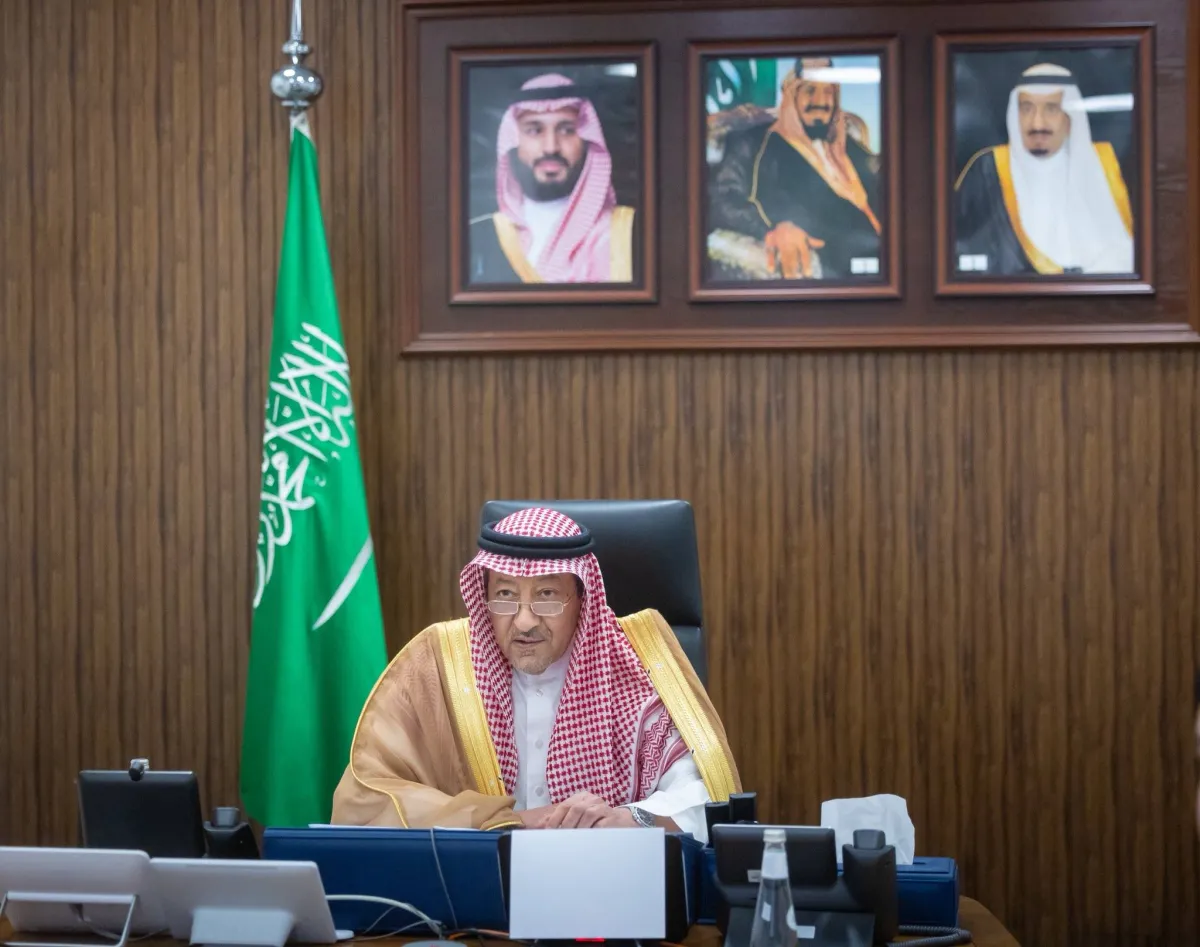
On Thursday, Saudi Deputy Foreign Minister Walid Al-Khreeji participated in a virtual ministerial meeting to coordinate the reopening of the Strait of Hormuz, representing Foreign Minister Prince Faisal bin Farhan. The meeting, chaired by the British side, saw the participation of 35 countries and focused on practical efforts to ensure the protection of freedom of navigation in the Bab al-Mandab and international waters, as well as the safety of passage through the Strait of Hormuz.
The attendees reiterated their condemnation of any actions or threats from Iran aimed at disrupting international navigation through the Strait of Hormuz or threatening maritime security in the Bab al-Mandab. Participants emphasized that any infringement on freedom of navigation poses a serious threat to international peace and security, necessitating collective action to protect maritime security and ensure safe passage.
Details of the Event
During the meeting, the importance of international cooperation in addressing challenges facing maritime navigation was underscored, discussing ways to enhance coordination among concerned countries to ensure the safety of vital maritime corridors. Potential threats that could impact international trade movement were also reviewed, especially amid geopolitical tensions in the region.
From the Saudi side, Prince Dr. Abdullah bin Khalid bin Saud Al-Kabir, Director General of Policy Planning at the Ministry of Foreign Affairs, attended the meeting and highlighted the significance of this gathering in enhancing international cooperation to tackle security challenges.
Background & Context
The Strait of Hormuz is considered one of the most important maritime passages in the world, through which approximately 20% of the world's total oil passes. Historically, the strait has witnessed numerous tensions, particularly with Iran, which is regarded as a key player in the region. These tensions often affect oil prices and global trade movement, making it essential to have effective mechanisms to protect navigation.
In recent years, incidents related to navigation in the Strait of Hormuz have increased, prompting major powers to bolster their military presence in the region. The recent meeting is viewed as an important step towards strengthening international efforts to protect this vital corridor.
Impact & Consequences
The implications of this meeting could be significant for regional and international security. The reaffirmation of freedom of navigation in the Strait of Hormuz sends a strong message to all parties involved that the international community will not tolerate any threats affecting global trade movement. Additionally, cooperation among the countries participating in the meeting may contribute to enhancing stability in the region.
Moreover, this meeting could influence relations between major powers and Iran, as it reflects new alliances forming in the region. If tensions persist, we may witness an escalation in military actions, which could impact oil prices and global markets.
Regional Significance
The Arab region has a significant stake in this meeting, as the Strait of Hormuz is a vital artery for Gulf Arab states. Any threat to navigation in this strait could directly affect the economies of these countries, necessitating intensified efforts to protect their interests.
Furthermore, strengthening cooperation between Arab states and major powers could contribute to greater stability in the region, benefiting all parties involved. Amid security and economic challenges, this meeting represents a positive step towards achieving security and stability.
In conclusion, the ministerial meeting to coordinate the reopening of the Strait of Hormuz highlights the importance of international cooperation in addressing security challenges. Enhancing freedom of navigation in this vital area is an urgent necessity to ensure global economic stability.