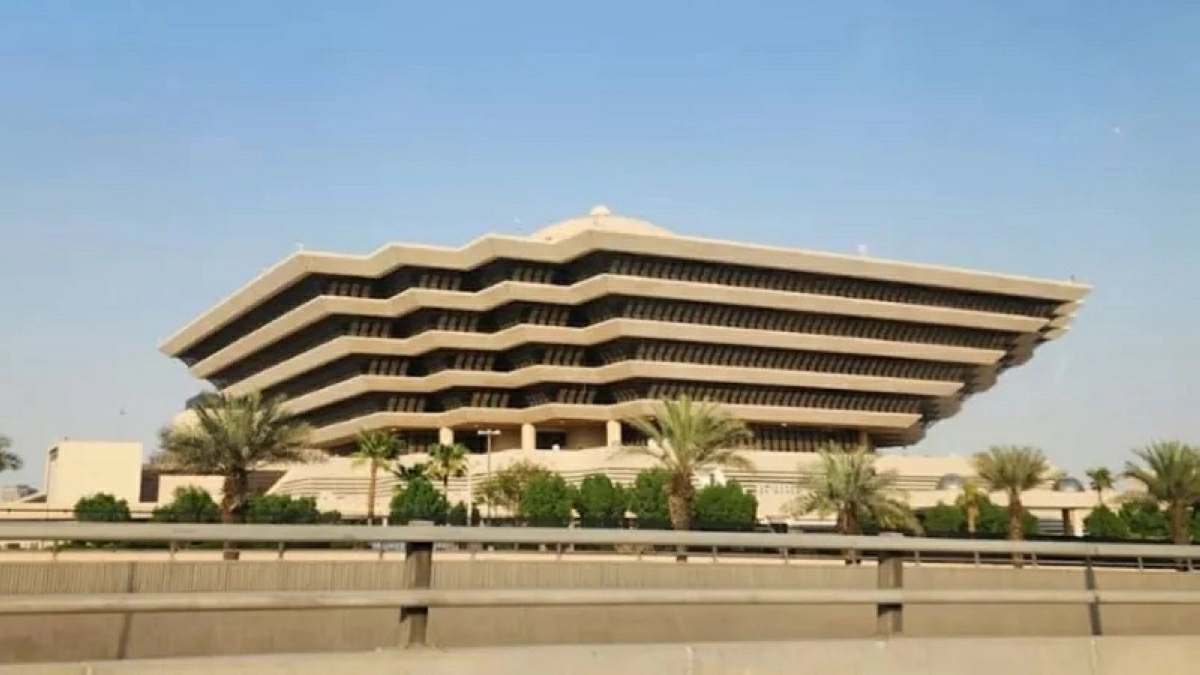
In a decisive move, the Saudi Ministry of Interior has imposed strict penalties on ten individuals, including five Saudi citizens and five expatriates, for violating Hajj regulations by transporting 34 people to Mecca for Hajj without official permits. They were apprehended by the special security forces for Hajj at the entrances to the holy city.
The ministry issued administrative decisions through its seasonal administrative committees, which included fines of up to 100,000 Saudi Riyals on the transporters and participants in these violations, in addition to prison sentences and the publication of their names in local media at their own expense. Fines of up to 20,000 Saudi Riyals were also imposed on the individuals who were transported in their unsuccessful attempt to perform Hajj without permits.
Details of the Incident
These measures come as part of Saudi Arabia's efforts to maintain the organization of Hajj rituals and ensure the safety of pilgrims. The actions were taken after monitoring a number of violations related to transporting pilgrims without permits, which is a clear violation of the applicable laws. Investigations revealed that these individuals were attempting to exploit the Hajj season for personal gain.
The Ministry of Interior also confirmed that the expatriates who were apprehended would face deportation and a ban from entering the Kingdom for 10 years after serving their sentences. The ministry has requested judicial authorities to take the necessary legal actions to confiscate the vehicles used in the illegal transport.
Background & Context
Historically, Hajj is one of the five pillars of Islam, attracting millions of Muslims from around the world to Mecca each year. With the increasing number of pilgrims, Saudi Arabia has established a set of laws and regulations to ensure the safe and effective organization of this religious duty. In recent years, there has been a rise in attempts to smuggle and illegally transport pilgrims, prompting authorities to take strict measures against violators.
Through these measures, the Kingdom aims to enhance public safety and security during the Hajj season, as it is a global event that requires high-level coordination among various government entities. Previous experiences have shown that organizing Hajj necessitates significant efforts to ensure that no violations occur that could affect the safety of pilgrims.
Impact & Consequences
These penalties serve as a clear message to anyone attempting to violate Hajj-related laws, as the Kingdom emphasizes the importance of adhering to official instructions and guidelines. It is expected that these measures will contribute to reducing attempts at the illegal transport of pilgrims, thereby enhancing the safety and security of those performing Hajj.
Additionally, these steps reflect the Kingdom's commitment to improving the Hajj experience and providing a safe environment for pilgrims, which enhances its reputation as a sacred place and a global religious center.
Regional Significance
These measures are part of the ongoing efforts by Saudi Arabia to promote security and safety during the Hajj season. They also reflect the challenges faced by Arab countries in organizing major events, which require high-level coordination among various entities.
Other Arab nations seek to benefit from Saudi Arabia's experience in organizing Hajj, which may lead to improved organization of religious and cultural events in the region.