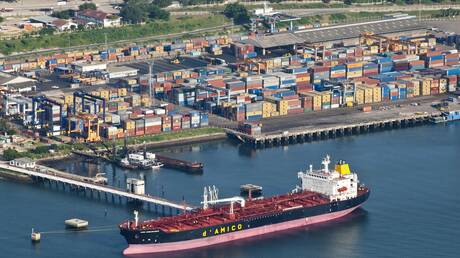
Saudi ports recorded the handling of approximately 508,800 TEUs in April, reflecting an 18.6% decline compared to the same month last year. These figures indicate the challenges faced by ports in light of changing global economic conditions.
This data comes at a time when the Kingdom is striving to enhance its position as a global logistics hub, with ports being a crucial part of the economic development strategy. However, the recorded decline in handling raises questions about the effectiveness of current policies and their impact on trade movement.
Details of the Event
The Saudi Ports Authority reported that this decrease in the number of handled containers indicates a decline in commercial activity, which may be attributed to several factors, including changes in global demand for goods and services. Moreover, the impacts of the COVID-19 pandemic continue to cast a shadow over international trade.
Despite this decline, Saudi ports are still striving to improve their efficiency through infrastructure upgrades and the adoption of new technologies. New projects have been announced aimed at increasing the ports' capacity and enhancing loading and unloading services.
Background & Context
Saudi ports are considered one of the most vital facilities in the Kingdom, playing a pivotal role in facilitating both domestic and international trade. In recent years, significant investments have been made to develop these ports, aligning with Saudi Vision 2030, which aims to transform the Kingdom into a global logistics center.
However, the challenges faced by the ports are not new; many countries have experienced declines in trade activity due to economic and political crises. It appears that the Kingdom is not exempt from this trend, requiring innovative strategies to overcome these challenges.
Impact & Consequences
This decline in handling activity could impact the Saudi economy as a whole, as many sectors rely on smooth trade movement. Additionally, the decrease in the number of containers may lead to increased shipping costs, affecting the prices of goods in the local market.
Furthermore, this downturn may negatively affect job opportunities in the transportation and shipping sector, particularly impacting small and medium-sized enterprises that directly depend on trade movement.
Regional Significance
The trade movement in Saudi ports is part of a regional trade network, and thus any decline in this sector could affect neighboring countries. A decrease in handling activity may reduce opportunities for trade cooperation between the Kingdom and other Arab countries, hindering regional economic growth.
In light of these circumstances, it is crucial for the Kingdom to adopt effective strategies to enhance trade movement and improve port efficiency, which will contribute to restoring confidence in the local and regional markets.