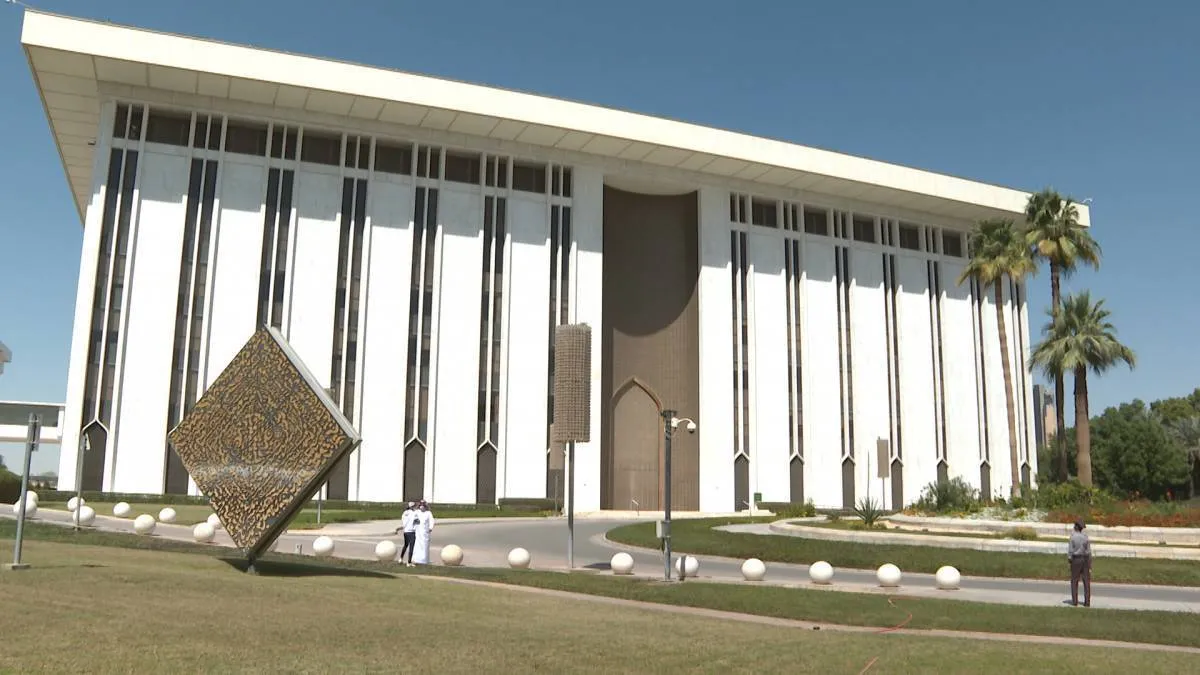
The Saudi central bank's reserves recorded an annual growth of 5.3% by the end of last year, reflecting an increase of about $23 billion, bringing the total reserves to $461 billion, equivalent to 1.73 trillion Saudi riyals. This growth is primarily attributed to foreign investments, which constituted half of the total reserves.
According to data released in the Saudi central bank's monthly statistical bulletin for December, reserve levels peaked at the end of November at approximately 1.74 trillion riyals.
Quarterly Growth and Key Components
The data showed that reserves recorded a quarterly growth of approximately 2.2% by the end of the fourth quarter of 2025, with an increase of about 36.4 billion riyals compared to the end of the third quarter of the same year, when reserves were around 1.69 trillion riyals.
The main components of the reserves included the item 'investments in foreign securities', which exceeded 1.01 trillion riyals by the end of last year, accounting for about 58.6% of the total. It was followed by 'foreign currency and deposits abroad', which exceeded 619.1 billion riyals, representing 35.9%.
Background & Context
These figures come as part of Saudi Arabia's efforts to enhance its financial and economic stability, particularly amid global economic challenges. The 2030 Vision has directed investments towards diverse sectors, aiding in the increase of reserve assets.
Reserves are an important indicator of a country's ability to face economic crises, reflecting the central bank's capacity to support the local currency and ensure its stability. In recent years, the Kingdom has witnessed a significant improvement in its reserve levels, indicating the success of the economic policies implemented.
Impact & Consequences
This increase in reserves underscores the strength of the Saudi economy and its ability to confront future challenges. The rising foreign investments reflect investor confidence in the Saudi economy, which may contribute to attracting more foreign investments.
These figures are expected to positively impact the Kingdom's credit rating, facilitating the government's access to financing at lower interest rates. Additionally, the increase in reserves may enhance the Kingdom's ability to withstand fluctuations in global oil prices, which is vital for the Saudi economy that heavily relies on oil revenues.
Regional Significance
Saudi reserves are among the highest in the region, reinforcing the Kingdom's position as an economic power in the Middle East. This growth may encourage other Arab countries to adopt similar policies to bolster their reserves.
In light of the volatile global economic conditions, the increase in reserves may provide other Arab nations with a model to emulate in managing financial crises and enhancing economic stability. Furthermore, these figures could contribute to improving economic relations among Arab countries and strengthening regional cooperation.
In conclusion, the reserves of the Saudi central bank remain an important indicator of the national economy's strength and serve as evidence of the success of the economic policies pursued in the Kingdom.