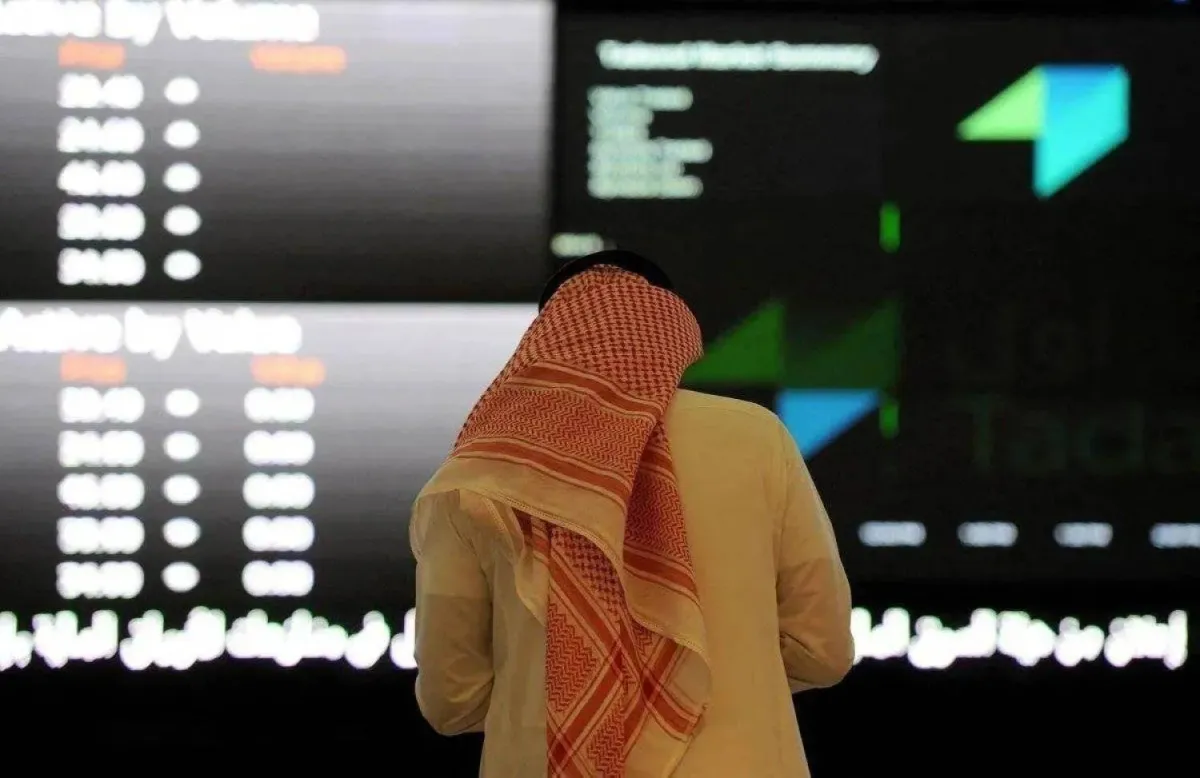
The main index of the Saudi stock market, TASI, closed with a slight increase of 0.2%, reaching 11275 points, with trading volumes amounting to 6.5 billion Saudi Riyals (1.7 billion USD). This increase reflects positive performance from leading stocks in the market, as some major companies witnessed a notable rise in their market values.
The stock of Saudi Aramco, the heaviest weighted in the index, rose by 0.6% to reach 27.56 Riyals. Shares of both ADNOC and Bahri increased by 1.4%, reaching prices of 18.34 and 32.46 Riyals respectively. Meanwhile, the stock of Ma'aden rose by nearly 1%, reaching 65.4 Riyals.
Market Performance Details
In the banking sector, the stock of National Commercial Bank increased by 1.2% to reach 42.34 Riyals. Stocks of Misk, Emmar, and Sabic were among the highest gainers, recording a 10% increase.
On the other hand, the stock of Saudi Exchange Group declined by 0.8% to reach 138.7 Riyals, while the stock of Kingdom Holding fell by 4.8% to 9.93 Riyals. Additionally, stocks of Aqua and Sabic saw declines of 0.7% and 1.2%, reaching prices of 172.2 and 59.55 Riyals respectively.
Background & Context
This rise in the TASI index comes at a time when the Saudi market is witnessing a noticeable improvement, as the Saudi government continues its efforts to boost the national economy through Vision 2030. This vision aims to diversify the economy and reduce dependence on oil, contributing to the stability of the financial market.
The positive performance of leading stocks reflects the increasing confidence of investors in the Saudi market, especially amid positive trends in economic policies. However, the market remains susceptible to fluctuations associated with global markets and oil prices.
Impact & Consequences
This positive trend in the Saudi market is expected to continue, as the strong performance of leading stocks indicates the economy's ability to recover and grow. Additionally, rising oil prices may contribute to enhancing government revenues, positively impacting investments in development projects.
However, investors should monitor changes in global markets, as any fluctuations could affect the Saudi market. Moreover, global economic challenges, such as inflation and potential recession, may impact market performance in the future.
Regional Significance
The Saudi market is considered one of the largest financial markets in the Arab region, and any improvement in its performance could have a positive impact on other markets. Furthermore, the stability of the Saudi market enhances investor confidence in the region, potentially leading to increased foreign investments.
In conclusion, the Saudi market remains a focal point for investors, as the positive performance of leading stocks reflects the economy's ability to recover and grow, reinforcing its position as a major investment destination in the region.