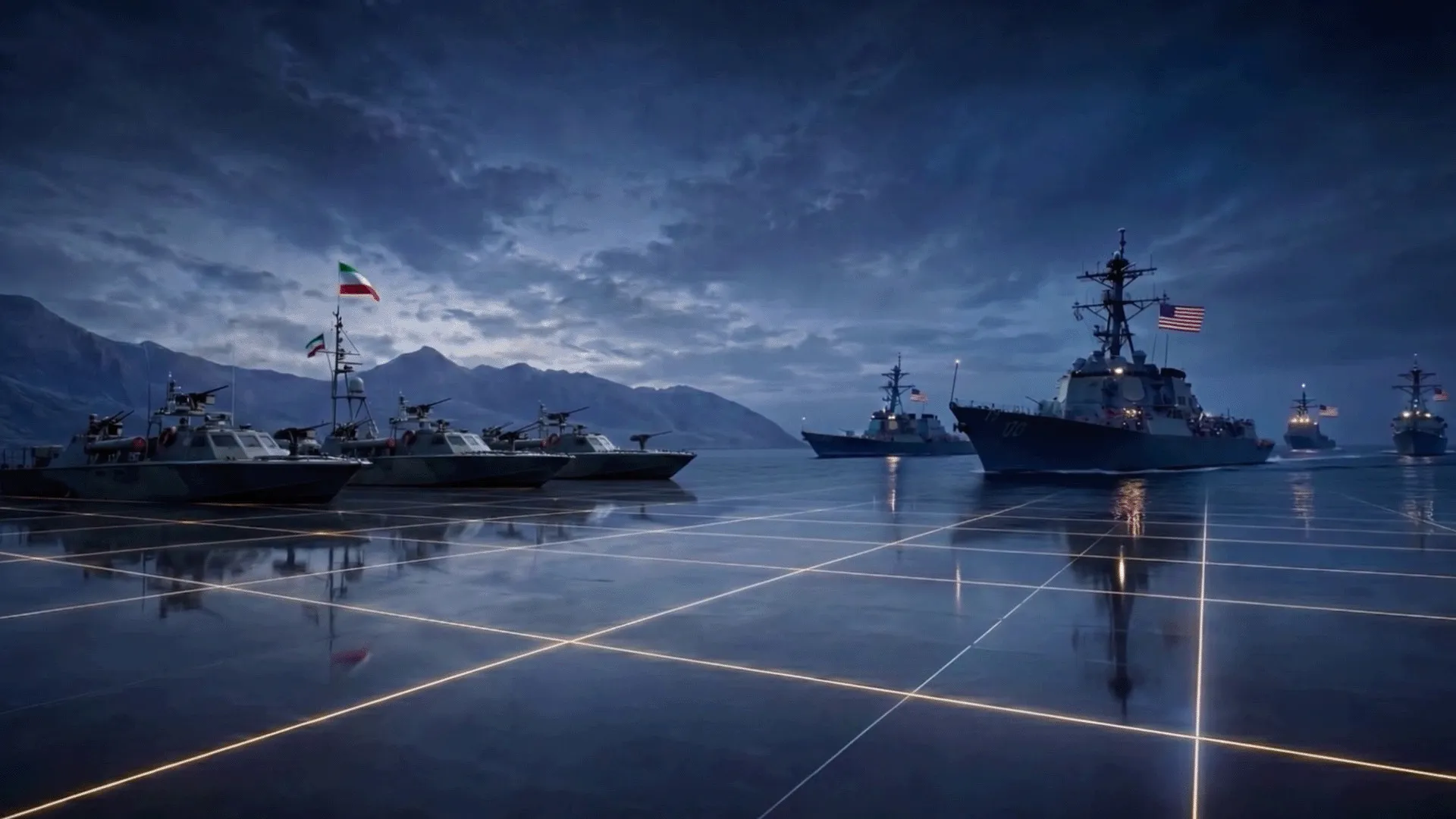
Expectations are rising regarding the future of navigation in the Strait of Hormuz, especially with the potential for an agreement between Iran and the United States. However, Tehran has repeatedly clarified that the situation in the strait after any conflict will not revert to its previous state. On May 5, Iran announced the establishment of the "Persian Gulf Strait Authority," reflecting potential changes in navigation management in this vital area.
The Strait of Hormuz is a strategic point, through which approximately 20% of the world's oil passes. Any changes in the security or political situation in this region could significantly impact global energy markets. As tensions continue between Tehran and Washington, the question remains: what are the possible scenarios for navigation to return to normal?
Details of the Event
Multiple scenarios are proposed regarding the future of navigation in the Strait of Hormuz, ranging from a complete resumption of operations to the imposition of new restrictions. If a comprehensive agreement is reached between Iran and the United States, this could lead to a de-escalation of tensions and a return to normal navigation. Conversely, if disagreements persist, we may witness a new escalation that could plunge the region back into instability.
It is noteworthy that Iran has taken proactive steps, such as establishing the new authority, in an attempt to enhance its control over the strait. This approach could have significant implications for commercial shipping, as Iran may impose new regulations that could hinder navigation.
Background & Context
Historically, the Strait of Hormuz has witnessed numerous political and military crises, serving as a stage for various conflicts between regional and international powers. For decades, Iran and the United States have been in a state of continuous tension, impacting navigation in the region. These tensions stem from several factors, including Iran's nuclear program and its support for armed groups in the area, complicating the situation further.
In recent years, the region has seen an escalation in military operations, raising international concerns about navigation security. However, any potential agreement between Tehran and Washington could alter these dynamics and restore stability.
Impact & Consequences
If an agreement is reached, it could lead to stability in oil prices and bolster confidence in global markets. Conversely, ongoing tensions may result in rising oil prices and increased uncertainty in the markets. These dynamics affect the global economy, especially given the heavy reliance on oil imported from the region.
Moreover, the stability of navigation in the Strait of Hormuz has direct implications for neighboring countries, many of which depend on maritime trade. Therefore, any changes in the security situation could impact economic growth in the region.
Regional Significance
Arab countries are significantly affected by the situation in the Strait of Hormuz, as this area is a vital artery for oil trade. Any escalation in tensions could impact oil prices, negatively affecting the economies of Arab nations that heavily rely on oil revenues. At the same time, stable navigation could enhance trade and provide a boost to Arab economies.
In conclusion, the future of navigation in the Strait of Hormuz hangs in the balance, contingent on the outcomes of negotiations between Tehran and Washington. The potential scenarios range from stability to disruption, making it essential to closely monitor developments.