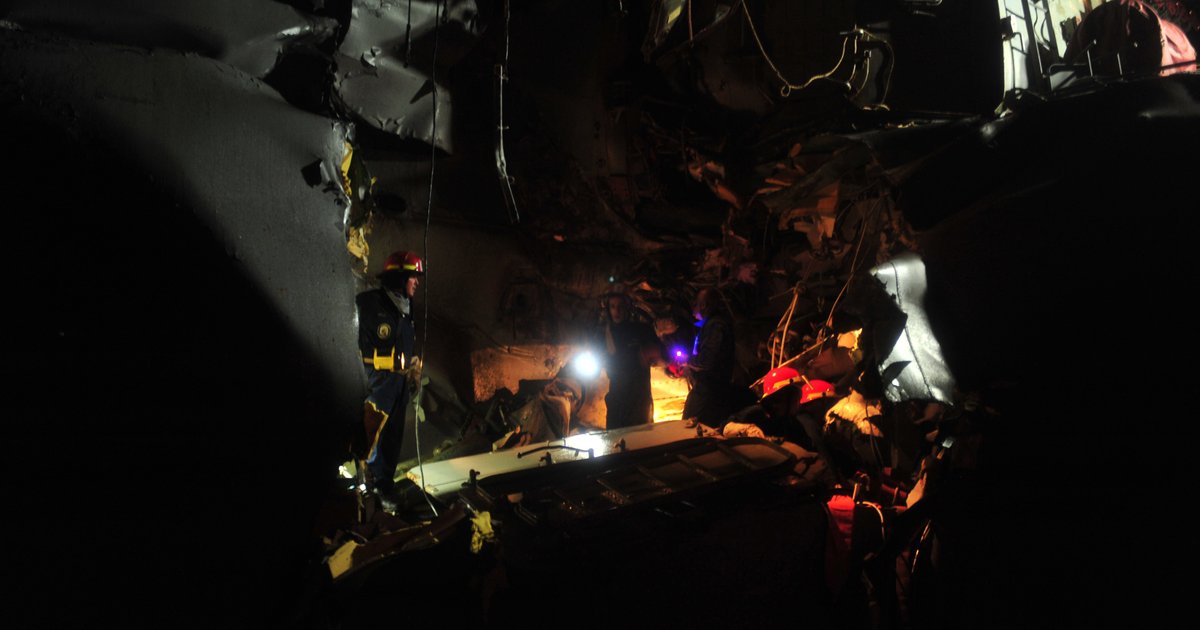
A second U.S. fighter jet has crashed near the Strait of Hormuz, in an incident that raises concerns about the safety of American military operations in this vital region. The crash occurred just days after another aircraft went down, increasing fears about air security in one of the world's most sensitive areas.
According to reports, the aircraft was on a routine mission when it lost contact with the command center. No injuries were reported among the crew, as the pilot managed to eject safely before the aircraft fell. This incident comes at a sensitive time, as tensions in the region are escalating due to increased military activities.
Details of the Incident
The crashed aircraft was an F-15, one of the most widely used fighter jets in the U.S. Air Force. The incident occurred late Tuesday evening, near the Strait of Hormuz, which is considered a vital transit point for global oil shipments. This second crash in less than a week raises questions about the safety of military aircraft in the area, especially under changing weather conditions.
U.S. military authorities confirmed the incident and announced that a comprehensive investigation has been launched to determine the causes of the crash. Rescue teams were dispatched to the crash site to ensure the pilot's safety and provide necessary assistance.
Background & Context
The Strait of Hormuz is a strategic waterway connecting the Arabian Gulf with the Gulf of Oman, and it is one of the most important maritime passages in the world. Approximately 20% of total global oil exports pass through it. In recent years, the region has witnessed rising tensions between the United States and Iran, leading to increased military activity.
The previous crash of an American aircraft near the same area had raised international concerns, as some countries viewed these incidents as indicative of deteriorating security conditions in the region. Furthermore, repeated incidents could affect maritime navigation and heighten tensions among competing nations.
Impact & Consequences
The crashes of these two aircraft could impact the United States' strategy in the region, as it may need to reassess its military presence in the Gulf. Additionally, these incidents could increase pressure on U.S. forces from hostile nations, potentially exacerbating the security situation.
Moreover, these incidents could influence global oil prices, as any escalation in tensions in the region might lead to increased oil prices due to fears of supply disruptions.
Regional Significance
Military incidents in the Strait of Hormuz have significant implications for neighboring Arab countries, as any escalation in tensions could affect the stability of the entire region. Gulf states, which heavily rely on oil exports, may find themselves in a difficult position if military incidents continue.
These incidents could also lead to increased security cooperation between Arab nations and the United States, as countries seek to enhance their defensive capabilities in the face of potential threats. At the same time, Arab nations must be cautious in handling the rising tensions in the region, as any escalation could lead to dire consequences.