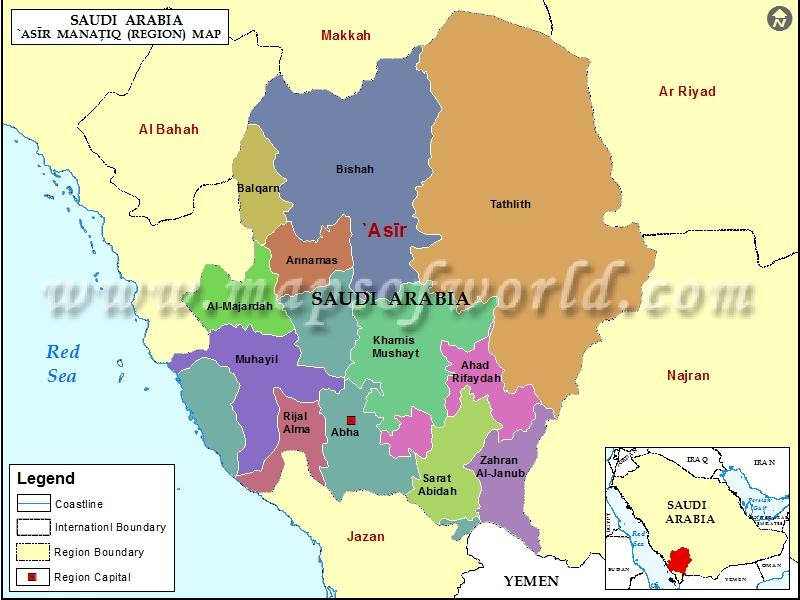
The Asir Police are diligently continuing their efforts to implement intensive security campaigns targeting violators of residency and labor laws. These campaigns are part of a comprehensive strategy aimed at enhancing security and stability in the region, while also apprehending violators who do not comply with the applicable laws.
These campaigns include thorough inspections of establishments and public places, where violations are monitored and necessary legal actions are taken against offenders. These efforts have resulted in the apprehension of several violators, reflecting the authorities' commitment to strictly enforce the regulations.
Details of the Campaigns
The Asir Police conduct these campaigns periodically, coordinating with relevant authorities to ensure the achievement of the desired objectives. The campaigns involve inspections of commercial shops and residential areas, as well as monitoring economic activities that may be prone to labor violations.
Modern technologies are also employed in the inspection processes, facilitating quicker and more accurate identification of violations. The police have confirmed that these campaigns will continue until the desired goals of apprehending violators and achieving security are met.
Background & Context
These campaigns are part of the Kingdom of Saudi Arabia's efforts to enhance the labor and residency system, as the government seeks to regulate the labor market and ensure the rights of workers. In recent years, there has been an increase in the number of violations, necessitating the implementation of strict measures to address them.
Through these efforts, the Kingdom aims to improve the work environment and bolster the national economy, as regular employment is considered one of the key factors for achieving sustainable development. These campaigns also reflect the Kingdom's commitment to effectively enforce laws and regulations.
Impact & Consequences
The security campaigns in Asir are seen as a positive step towards achieving security and stability in the region, contributing to a reduction in violations and enhancing order. These efforts also reflect the government's commitment to improving the work environment and ensuring workers' rights.
It is expected that these campaigns will lead to an improved level of safety in the community, which will help attract investments and strengthen the local economy. Additionally, the apprehension of violators demonstrates the seriousness of the authorities in addressing issues related to residency and labor.
Regional Significance
The experience in Asir serves as a model for many Arab countries facing similar challenges in regulating the labor market. Strengthening the systems and laws related to residency and labor is an important step towards achieving sustainable development in the region.
Moreover, these campaigns enhance the image of the Kingdom of Saudi Arabia as a state governed by law, reflecting its commitment to achieving security and stability in the region. The success of these campaigns may encourage other countries to take similar steps to improve labor market conditions.
In conclusion, the efforts of the Asir Police in combating residency and labor violations serve as an exemplary model in enhancing security and stability, contributing to achieving sustainable development in the Kingdom.