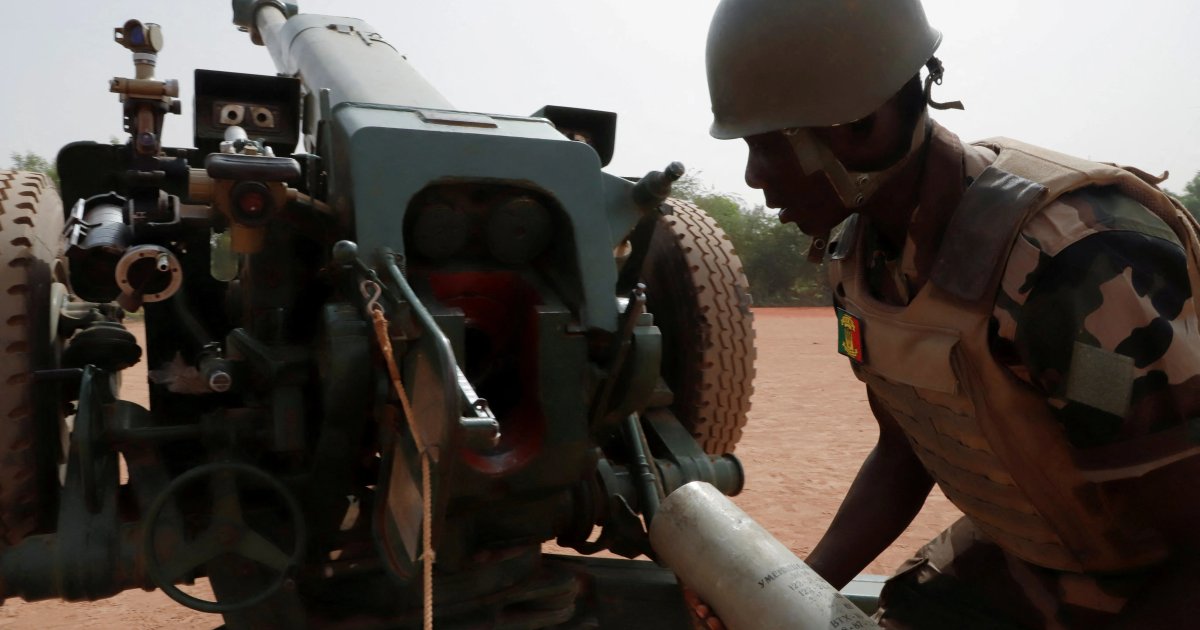
The African Sahel region is experiencing a notable security escalation after a series of coordinated attacks targeted various areas in the Republic of Mali early on Saturday. These events come at a time when the country is suffering from chaos and instability, raising increasing international and regional concerns.
The attacks that occurred in Mali reflect the fragility of the security situation in the country, which has been plagued by ongoing internal conflicts for decades. The Mauritanian government has quickly expressed its solidarity with Bamako, highlighting the importance of regional cooperation in facing the growing security challenges.
Details of the Attacks
In the early hours of Saturday morning, several locations in Mali were subjected to coordinated attacks, resulting in injuries and material damage. These attacks come at a sensitive time as the Malian government seeks to regain control over the security situation in the country, which has seen a rise in terrorist activities in recent years.
These attacks are part of a series of assaults targeting security forces and civilians, complicating the security situation in the region. Reports have shown that armed groups are exploiting the political and economic chaos in the country to carry out their operations.
Background & Context
Historically, Mali has suffered from political and security instability since the overthrow of the previous president's regime in 2012. Since then, terrorist activities have escalated in the northern part of the country, where groups linked to Al-Qaeda and ISIS operate. This situation has led to international and regional interventions, including military operations by French and African forces.
The current Malian government is striving to enhance security, but it faces significant challenges amid internal divisions and tribal conflicts. Additionally, the deteriorating economic situation complicates the government's efforts to regain control over the circumstances.
Impact & Consequences
Recent events indicate that the security situation in Mali could affect the stability of neighboring countries, particularly Mauritania, which shares a long border with Mali. The escalation of violence may lead to an influx of refugees and increased border tensions, necessitating a swift response from regional governments.
Moreover, these events could impact international efforts to combat terrorism in the region, as the current situation requires greater coordination among the concerned countries to address shared security challenges.
Regional Significance
The events in Mali serve as an indicator of the security challenges facing the Sahel region, which may impact the stability of North African countries. The rising violence in Mali could lead to the spread of chaos in neighboring states, calling for greater attention from Arab countries and the international community.
In conclusion, the recent events in Mali highlight the urgent need to strengthen regional and international cooperation to address the increasing security challenges and ensure the stability of the region.