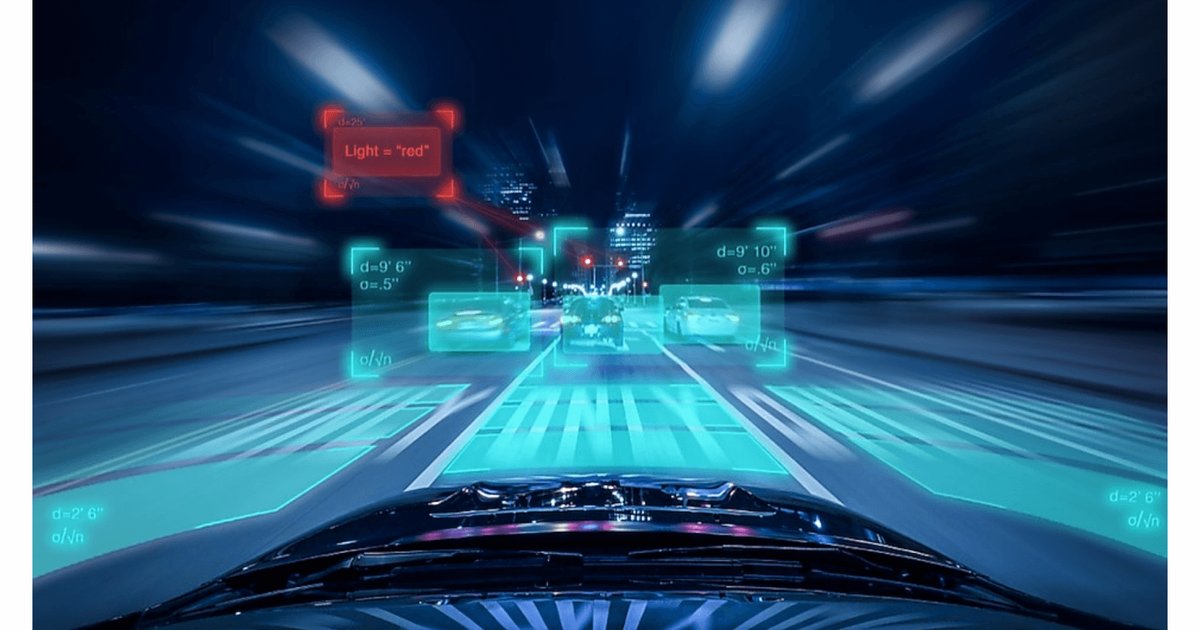
Several leading companies in the self-driving car industry, such as Aura, My Mobility, Tesla, and Waymo, have refused to disclose how often their vehicles need remote assistance during an investigation conducted by U.S. Senator Ed Markey. This refusal raises questions about the level of safety and trust in this advanced technology.
During the hearing, Markey sought precise information regarding the reliance of these cars on human assistance in emergency situations, but the companies involved did not provide any clear numbers or data. This situation highlights the challenges faced by the self-driving car industry in achieving the necessary transparency.
Details of the Investigation
Self-driving cars are considered one of the modern technological innovations promising to change the future of transportation. However, the inability of companies to provide accurate information about the need for remote assistance raises concerns among consumers and policymakers. The technology may encounter unexpected situations, necessitating human intervention to ensure the safety of passengers and pedestrians.
The investigation led by Markey comes at a sensitive time, as calls for better regulation of the self-driving car industry are increasing. The companies invited to testify, such as Nuro, Motional, and Zoox, are under growing pressure to provide more transparent data on how their vehicles operate under various conditions.
Background & Context
Historically, the self-driving car industry has witnessed significant advancements, with this technology being tested in several U.S. cities. However, past incidents involving self-driving cars have raised major concerns about the safety of these vehicles. In 2018, a self-driving car operated by Uber was involved in an accident that resulted in a woman's death, prompting authorities to reassess safety in this technology.
In recent years, investments in the development of self-driving cars have increased, as companies strive to offer innovative transportation solutions. However, the failure to provide accurate information about the need for human assistance could negatively impact public trust in this technology.
Impact & Consequences
The lack of transparency from self-driving car companies may lead to negative consequences regarding consumer trust. Users need reassurance that this technology is safe and reliable. If companies continue to withhold the required information, consumers may turn to more traditional and safer transportation options.
Moreover, this issue could increase pressure on lawmakers to establish stricter regulations governing the self-driving car industry. With the rise in incidents related to this technology, it may become essential to impose higher safety standards to ensure everyone's safety.
Regional Significance
In the Arab region, some countries like the UAE and Saudi Arabia are showing increased interest in self-driving car technology. However, the lack of transparency from global companies may affect these countries' plans to adopt this technology. Consumers in the Arab world need assurance that these cars are safe and reliable before they are widely adopted.
In conclusion, the issue of transparency in the self-driving car industry remains a vital concern, as companies must provide accurate information to ensure user safety and build trust in this future technology.