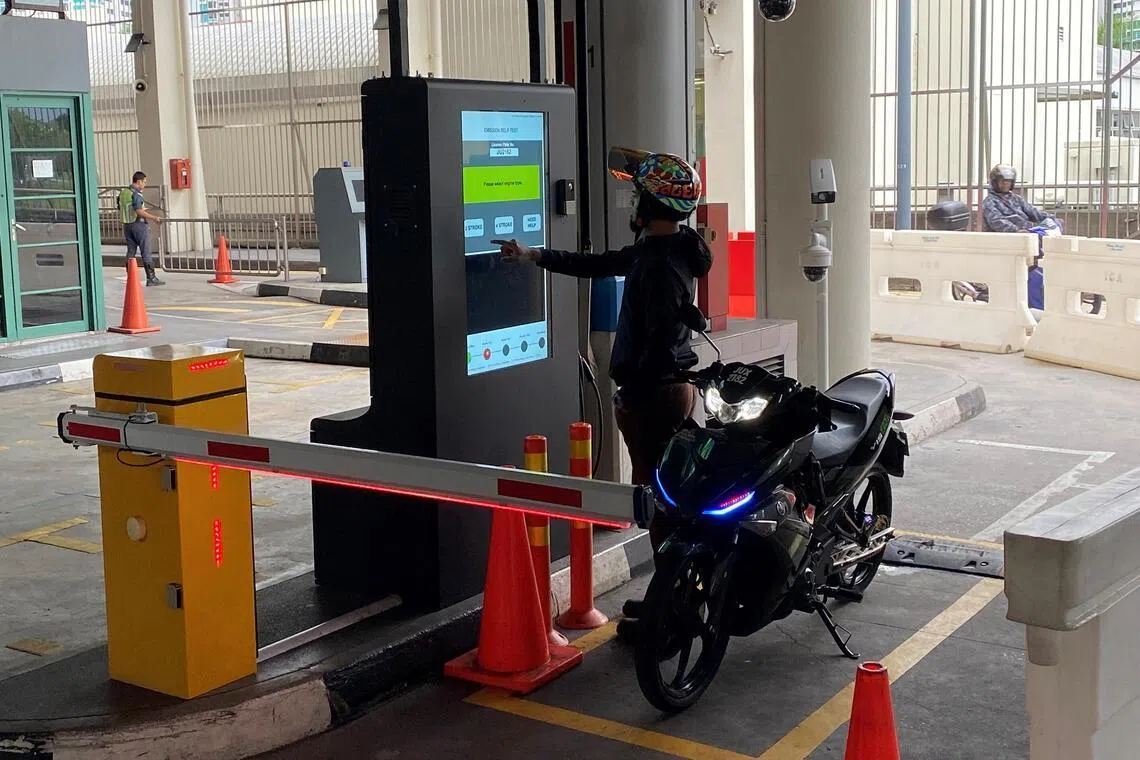
The National Environment Agency of Singapore (NEA) has announced its plans to trial a self-testing kiosk for polluting motorcycles at the Woodlands checkpoint by early 2027. This initiative aims to improve air quality and reduce harmful emissions generated by polluting motorcycles. The agency will start with one kiosk to evaluate the effectiveness of the idea before deciding on a broader rollout.
This initiative is part of Singapore's ongoing efforts to mitigate pollution and promote environmental sustainability. The government seeks to enhance air quality in the country, particularly in areas experiencing heavy traffic, such as checkpoints.
Details of the Initiative
The kiosk to be tested will be equipped with advanced technologies that allow users to conduct quick tests to measure their motorcycles' emissions. If the trial proves successful, the agency will expand the project to include more locations across the country. This step aligns with the government's commitment to achieving its ambitious environmental goals.
It is noteworthy that Singapore has witnessed a significant increase in the number of motorcycles in recent years, exacerbating the pollution problem. Therefore, this initiative represents an important step towards addressing this issue.
Background & Context
Historically, Singapore has been a leader in environmental protection, implementing numerous effective environmental policies. However, challenges related to pollution persist, especially with population growth and increased traffic. In recent years, the government has launched several initiatives aimed at reducing emissions and improving air quality, including encouraging the use of public transport.
This new trial is part of a broader strategy that includes utilizing modern technology to monitor and improve air quality. There is also a growing interest from the local community regarding environmental issues, reflecting an increasing awareness of the importance of environmental conservation.
Impact & Consequences
If the trial proves successful, it could pave the way for similar technologies to be implemented in other countries facing air pollution challenges. This initiative could serve as a model in the region, particularly in countries experiencing a rise in motorcycle usage.
Many countries are striving to improve air quality and reduce emissions; thus, the success of this trial may encourage other governments to adopt similar policies. This could also lead to increased public awareness regarding the importance of reducing emissions and improving the environment.
Regional Significance
Many Arab countries face significant challenges regarding pollution, especially in major cities suffering from traffic congestion. Singapore's experience could inspire Arab nations to adopt innovative solutions to tackle this problem. For instance, Arab countries could benefit from emission testing technologies to reduce pollution from transportation.
Furthermore, enhancing environmental awareness in Arab countries could lead to improved quality of life for citizens, highlighting the importance of such initiatives at the regional level.
In conclusion, the trial of the self-testing kiosk for polluting motorcycles in Singapore represents a significant step towards improving air quality and may have positive implications at both regional and international levels. It is crucial for countries to continue seeking innovative solutions to address pollution challenges.