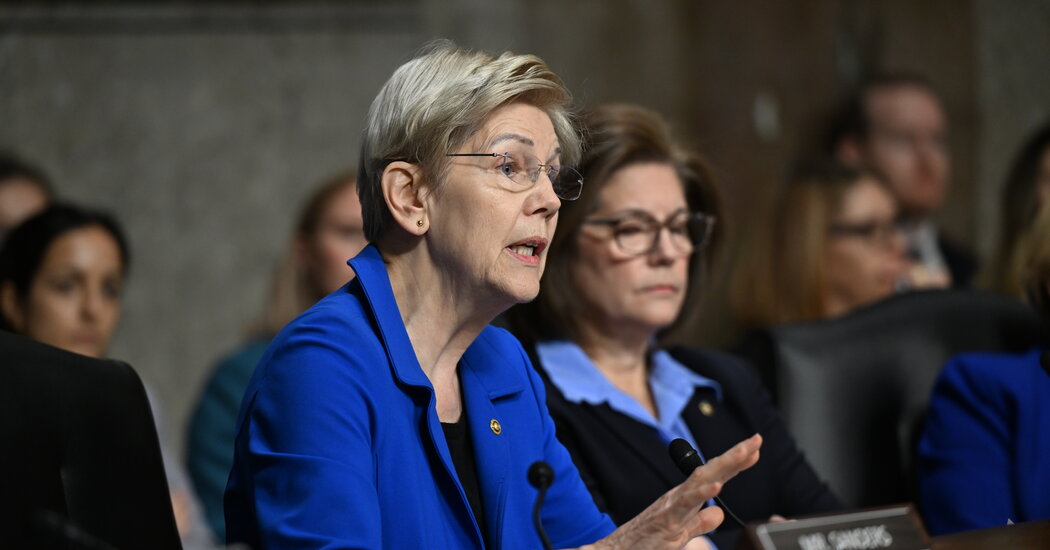
Senator Elizabeth Warren, a member of the U.S. Senate from Massachusetts, has demanded that former President Donald Trump's administration clarify the reasons behind its pressure on European allies to relax laws designed to hold major tech companies accountable for their role in exploiting children online. This request was made in a letter addressed to U.S. Trade Representative Jameson Greer, where she indicated that this pressure is part of trade negotiations focused on granting benefits to Trump's billionaire tech allies.
In her letter, Warren criticized the threats made by the Trump administration to impose tariffs on European countries after they initiated formal investigations into xAI, owned by Elon Musk, and its image generation system Grok. The release of a version of Grok last year led to the spread of millions of sexually explicit fake images online.
Details of the Incident
Warren reported that the National Center on Sexual Exploitation (NCOSE) highlighted in its latest report that platform X, owned by xAI, and the Grok system are among the largest contributors to online child exploitation in 2026. The center also placed Mark Zuckerberg, CEO of Meta, at the top of its "Dirty Dozen" list, which includes entities benefiting from sexual exploitation.
Warren is seeking records from the U.S. Trade Representative's office to clarify whether the office has communicated with officials working for Musk's companies in an attempt to "oppose or undermine content moderation policies," and whether it has received communications from executives or lobbyists regarding this matter.
Background & Context
These criticisms coincide with growing concerns over the influence of major tech companies on laws and public policies, particularly regarding the protection of children from exploitation. In recent years, many European countries have taken serious steps to tighten the laws governing these companies, provoking strong reactions from some American firms seeking to maintain their operational freedoms.
Historically, the United States has adopted a trade policy focused on supporting large corporations, leading to increased criticism from some politicians who argue that these policies harm public interests, especially in sensitive areas like child protection.
Impact & Consequences
This issue demonstrates how trade policies can affect local and international laws, as major companies seek more freedom in their operations, which may exacerbate exploitation issues. Additionally, the pressure exerted by the U.S. administration on other countries could lead to a deterioration of trade and political relations between the United States and Europe.
Failing to take stringent measures against online child exploitation could lead to the proliferation of this phenomenon, threatening future generations. Therefore, there is an urgent need to adopt stricter policies to protect children, with the necessity for these policies to be supported by all stakeholders involved.
Regional Significance
Amid the increasing use of technology in the Arab world, the importance of protecting children from online exploitation becomes evident. Arab countries should adopt policies similar to those that European nations are striving to implement, to ensure the safety of children in the digital space. Furthermore, international cooperation in this field is essential to address shared challenges.
In conclusion, this issue highlights the importance of balancing market freedom with the protection of human values, necessitating that governments take serious steps to safeguard vulnerable groups, especially children, in the face of rapid technological advancement.