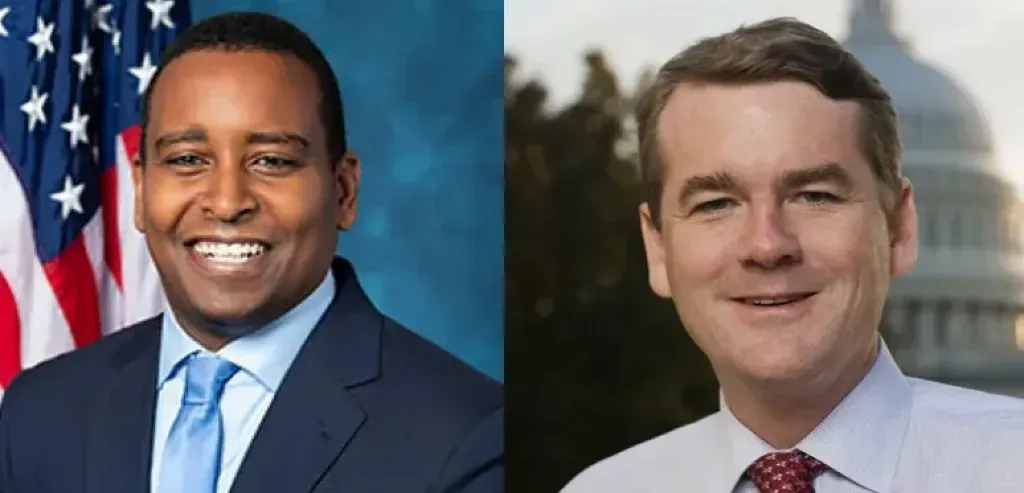
Prominent members of the U.S. Senate Commerce Committee have criticized the Federal Communications Commission (FCC) Chair for approving the merger of Nexstar Media Group with Tegna without a full committee vote. This move has raised questions about transparency and the procedures followed, leading to calls for increased oversight of mergers in the media sector.
In an official letter sent on Monday, the members expressed concern that the swift approval of the deal could negatively impact competition in the U.S. media market. They argued that the lack of a full vote reflects a deficiency in transparency and threatens to undermine trust in the regulatory body.
Details of the Merger
The Nexstar-Tegna deal was approved earlier this month, allowing Nexstar, considered one of the largest media companies in the United States, to acquire Tegna, which owns a group of television channels. This merger has raised fears that it could lead to a reduction in the diversity of media content available to the public.
These criticisms come at a sensitive time, as many lawmakers are seeking to strengthen the laws governing mergers and acquisitions in the media sector, especially amid increasing concentration in this field. Some observers have pointed out that this deal could reduce the options available to viewers, raising issues related to freedom of expression.
Background & Context
Historically, the U.S. media sector has witnessed numerous mergers and acquisitions that have led to greater concentration in the market. In recent years, there have been increasing calls from lawmakers and watchdogs to enhance oversight of these processes, especially after some mergers have proven to reduce competition and increase prices for consumers.
The FCC is the body responsible for regulating communications in the United States and plays a crucial role in reviewing and approving mergers in the media sector. However, the manner in which decisions are made, such as the approval of the Nexstar-Tegna deal, has raised questions about the independence and transparency of this agency.
Impact & Consequences
These criticisms raise questions about the future of mergers in the U.S. media sector. If these practices continue, it could lead to increased pressure on the FCC to change its policies and procedures for reviewing deals. It may also lead to new calls from lawmakers to strengthen the laws governing this sector.
Furthermore, this issue could affect how media companies handle mergers in the future, as they may become more cautious in their steps and consider the potential consequences on their reputation and relationship with the public.
Regional Significance
Although this issue pertains to the U.S. market, it has potential implications for the Arab region. With the increasing concentration in global media, the media content available in Arab countries may be affected, as mergers could lead to reduced diversity in media sources.
This issue also highlights the importance of transparency and oversight in the media sector, which can serve as a lesson for Arab countries facing similar challenges in regulating their media sectors.