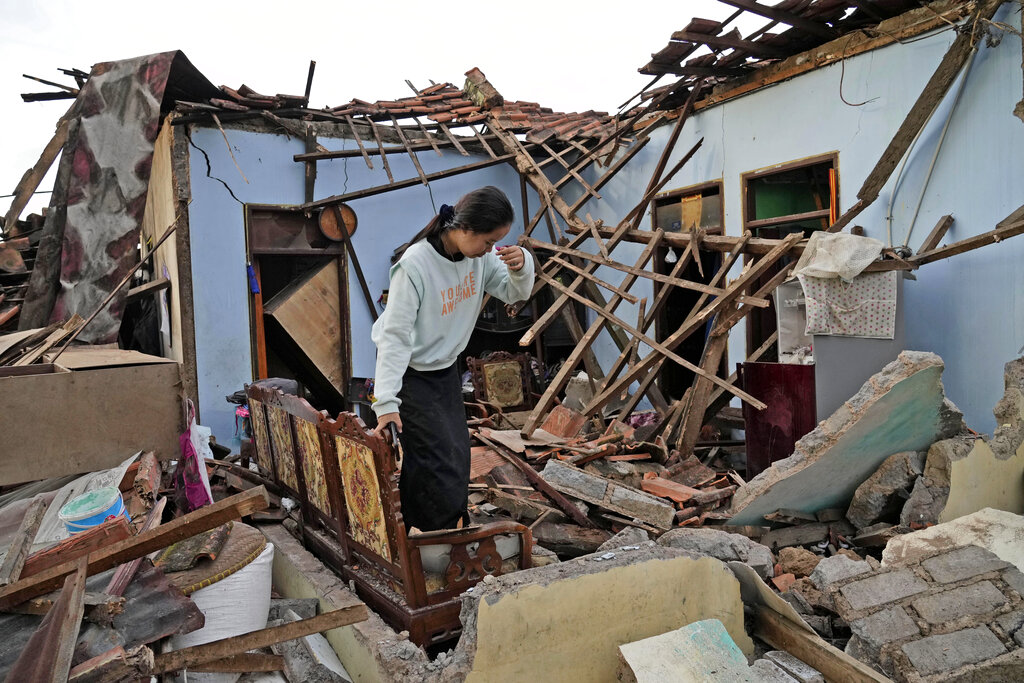
The Indonesian Meteorology, Climatology, and Geophysics Agency (BMKG) announced the dispatch of a team of experts to the regions of North Maluku and North Sulawesi to assess the effects of the earthquake that occurred on Thursday morning, measuring 7.6 on the Richter scale. This measure is part of the agency's efforts to evaluate the damages caused by the earthquake and monitor subsequent seismic activity.
In a press conference held in Jakarta, Rahmat Triyono, the acting head of the Earthquake and Tsunami Division at the agency, explained that the team would conduct a comprehensive survey to determine the damages caused by the earthquake, in addition to monitoring subsequent seismic activity. He confirmed that this survey includes macroseismic and microseismic assessments to gauge the earthquake's impact on the affected areas.
Details of the Event
Triyono indicated that the agency would also install portable seismometers at several points in North Maluku and the surrounding areas to enhance the monitoring of seismic activity. The data generated from these devices is crucial for analyzing the duration of the earthquake and the probabilities related to subsequent seismic activity.
Although minor earthquakes do not always lead to significant damage, they are considered important indicators in analyzing seismic activity. Reports have shown that 48 aftershocks occurred following the main earthquake, with the strongest of these aftershocks measuring 5.5.
Background & Context
Indonesia is one of the most earthquake-prone countries in the world due to its location on the Pacific Ring of Fire, where several tectonic plates converge. Historically, the country has experienced numerous devastating earthquakes, resulting in loss of life and destruction of property. The recent earthquake in North Maluku and North Sulawesi serves as another reminder of the dangers posed by this natural phenomenon.
In recent years, the Indonesian government has worked to improve early warning systems and develop strategies to mitigate the impacts of earthquakes. However, there remains an urgent need to enhance public awareness regarding how to act during earthquakes.
Impact & Consequences
These natural events require a swift response from the government and relevant agencies to ensure the safety of citizens. Fakhri, the acting head of the Earthquake Division, warned residents in the affected areas to exercise caution and avoid entering damaged buildings until their safety is confirmed by specialized teams.
These warnings are crucial, especially after recording 29 aftershocks following the main earthquake, which increases the risk of further damage. An effective and prompt response can reduce potential damages and help protect lives.
Regional Significance
While earthquakes in Indonesia may not directly impact Arab countries, these events highlight the importance of strengthening early warning systems and emergency planning worldwide. Arab nations, which may face different natural challenges, can benefit from the lessons learned from Indonesia's experiences in dealing with earthquakes.
In conclusion, the recent earthquake in North Maluku and North Sulawesi stands as a testament to the challenges faced by earthquake-prone countries and underscores the importance of preparedness and planning to confront such natural disasters.