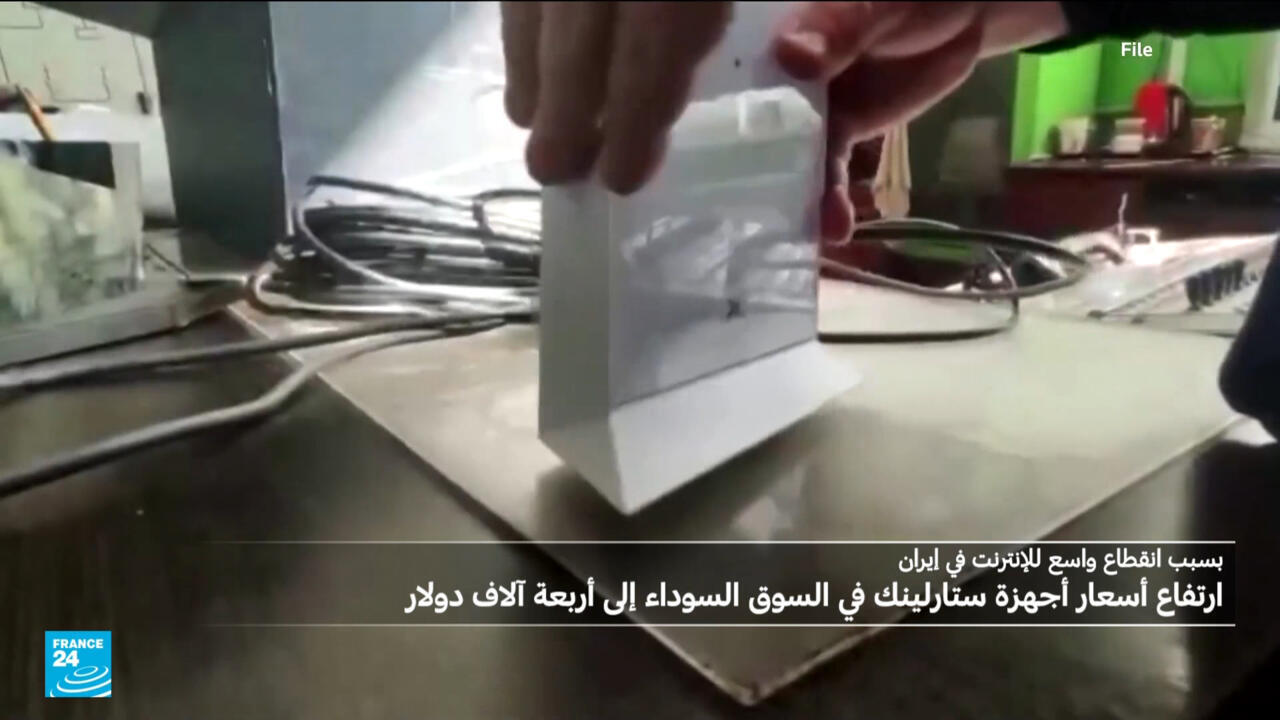
Recent reports indicate that international activists have begun sending Starlink devices to Iran, where the price of a single device is estimated to be around $4000 on the black market. This move comes at a time when the country is suffering from increasing digital isolation, especially following Israeli-American strikes targeting Iranian facilities.
The Starlink devices, which provide satellite internet service, are an effective means to overcome the internet restrictions imposed in Iran. The need for these devices has significantly increased under the current circumstances, as Iranians seek to access information and communicate with the outside world.
Details of the Initiative
Pressure on the Iranian regime has been mounting due to international sanctions and military pressures, leading to strict internet restrictions. Activists have pointed out that these devices are seen as a lifeline for many Iranians who are striving for freedom of expression and access to information.
This initiative includes efforts from human rights organizations aiming to support Iranians in overcoming the imposed restrictions. A number of these devices have been delivered to various regions in Iran, enabling users to access the internet without restrictions.
Background & Context
Historically, Iran has suffered from strict internet restrictions, with many websites and social media applications being blocked. These restrictions have notably increased following the popular protests that have occurred in the country in recent years. Amid rising tensions with the United States and Israel, digital isolation has become part of the Iranian regime's strategy to control information.
This step occurs within a broader context of technological transformations in the region, where many activists are seeking to use technology as a means to confront repressive regimes. Previous experiences have shown that the use of technology can have a significant impact on social and political movements.
Impact & Consequences
This move is expected to raise global awareness about the situation in Iran and may contribute to strengthening movements demanding freedom and democracy. Additionally, providing unrestricted internet access could aid in organizing protests and sharing information among activists.
However, the Iranian regime may take strict measures against any attempts to use these devices, which could lead to an escalation of repression. Therefore, the challenges facing activists in Iran remain significant, despite efforts to overcome the restrictions.
Regional Significance
The Iranian experience in confronting digital restrictions serves as a model for many Arab countries facing similar repression. Some Arab nations, such as Sudan and Lebanon, have witnessed popular protests demanding freedom, and Iran's experience may inspire activists in these countries.
Moreover, using technology to bypass restrictions could open new horizons for social movements in the region, enhancing citizens' ability to express their opinions and demands. Under these circumstances, it becomes essential to support efforts aimed at promoting freedom of expression and access to information throughout the region.
In conclusion, the issue of digital isolation in Iran remains one of the pressing matters requiring international attention. Supporting activists and providing the necessary technological means can contribute to enhancing fundamental freedoms in the country.